
Out-of-State Car Registration and Insurance — Nebraska
Free to compare
The Out-of-State Purchase Window
You bought a car titled in Iowa, Kansas, Colorado, or another state, and you need to register it at the Nebraska DMV. The title shows the seller's state, the temporary tag is running out, and your household already insures two or three vehicles on a Nebraska policy. The question is whether your existing policy covers the new car during the transfer period, or whether you must add it explicitly before the DMV appointment.
Nebraska statute does not grant a grace period for out-of-state purchases. The vehicle must carry liability coverage that meets Nebraska minimums—$25,000 per person, $50,000 per accident for bodily injury, and $25,000 for property damage—before the DMV will issue plates. Your carrier's policy determines whether the new car is automatically covered for a limited window, and that window is typically shorter than the time it takes to complete title transfer and registration.
“Nebraska grants no grace period for out-of-state purchases; the vehicle must carry compliant liability coverage before DMV registration.”

Compare Nebraska Car Insurance Quotes Today
Get My Nebraska Car Insurance Quote$25,000 / $50,000 / $25,000
Nebraska Minimum Liability Limits
Bodily injury per person, per accident, and property damage. The DMV requires proof of coverage at these minimums before issuing registration for any vehicle titled out of state.
Nebraska DMV
What Your Existing Policy Covers During Transfer
Most multi-car policies extend automatic coverage to a newly acquired vehicle for a limited period—typically 14 to 30 days from the date of purchase—provided you notify the carrier within that window. The coverage mirrors what you carry on your existing vehicles: if your household policy includes liability, collision, and comprehensive on two cars, the third car receives the same coverage automatically during the notification period.
The automatic coverage window exists to bridge the gap between purchase and formal addition to the policy. It does not extend indefinitely. If you miss the carrier's notification deadline, the vehicle is uninsured from the purchase date forward, even if you believed it was covered. That gap can surface at the DMV appointment when you present proof of insurance, or worse, at a claim after an accident during the transfer period.
The notification requirement is a policy-level rule, not a state statute. Nebraska law does not define the grace period; your carrier does. State Farm, Geico, Progressive, Allstate, and other carriers writing multi-car policies in Nebraska each set their own window. Some allow 30 days, others 14. The window starts on the purchase date shown on the bill of sale, not the date you call the carrier or the date you schedule the DMV appointment.
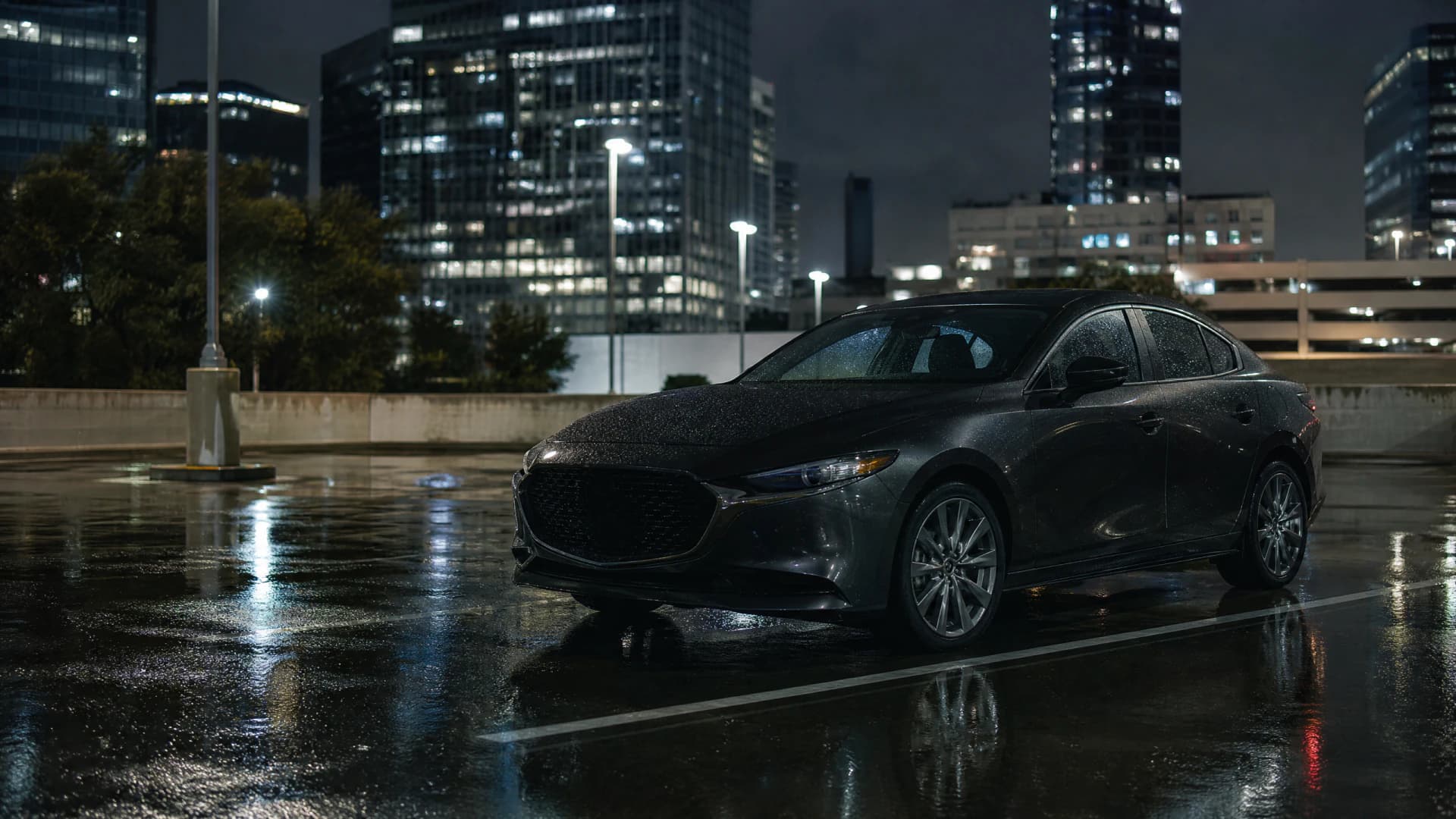
If you miss your carrier's notification window, the out-of-state vehicle is uninsured from the purchase date, and the DMV will not register it without compliant proof of coverage.
Related Articles





Title Transfer and Temporary Tag Timing
Nebraska allows 30 days from the purchase date to complete title transfer and registration. The temporary tag issued by the selling state typically expires within that same window. The insurance requirement, however, begins on the purchase date, not the registration date. You cannot wait until the DMV appointment to add the vehicle to your policy; the proof of coverage must already exist when you arrive.
If the out-of-state title shows a lien, the lienholder must release the title before Nebraska will accept it. That release can take one to three weeks depending on the lender and the state. The insurance coverage must be in place during that waiting period. If you delay adding the vehicle until the title is clear, you risk exceeding your carrier's notification window and creating a coverage gap that the DMV will catch when you present proof of insurance.
The safest sequence: add the vehicle to your Nebraska policy within 14 days of purchase, request the lien release from the out-of-state lienholder, wait for the clear title to arrive, then schedule the DMV appointment with the updated insurance proof in hand. That order eliminates the risk of a gap between purchase and registration.
30 days
Nebraska Title Transfer Window
From the purchase date to complete registration. The insurance requirement begins on the purchase date, not at the end of the 30-day window.
Nebraska DMV

When the Household Owns Vehicles in Two States
A household that owns vehicles registered in two states—one in Nebraska, one still titled and plated in Iowa or Kansas—faces a policy-structure decision. Most carriers require every vehicle on a multi-car policy to be garaged at the same address. If the out-of-state car remains titled in the other state and garaged there, it may not qualify for inclusion on the Nebraska policy, and the multi-car discount may not apply.
The multi-car discount typically requires same-policy, same-garaging-address coverage. A car titled in Iowa and garaged in Iowa, even if owned by a Nebraska household member, often must sit on a separate Iowa policy. That structure costs more than combining all vehicles on one Nebraska policy, but it reflects the actual garaging and registration reality. If you plan to re-title and register the Iowa car in Nebraska, add it to the Nebraska policy as soon as you have the bill of sale, then complete the Iowa-to-Nebraska title transfer within the 30-day window.
Compare Carriers That Write Multi-Car Policies in Nebraska
Not every carrier writing in Nebraska offers the same notification window or the same multi-car discount structure. State Farm, Geico, Progressive, Allstate, American Family, and Farmers all write multi-car policies in Nebraska, but their automatic-coverage windows and same-policy requirements differ. If you are adding a third or fourth vehicle to an existing policy, confirm your carrier's notification deadline before the purchase closes.
If your current carrier's window is shorter than you need, or if the re-rated premium after adding the vehicle is higher than expected, compare quotes from other carriers that write multi-car policies in Nebraska. The comparison should include the total premium for all household vehicles on one policy, not just the incremental cost of the added car. A carrier with a smaller per-vehicle discount can still deliver a lower total premium if its base rates are more favorable for your household's vehicle mix and driver profile.
Adding the Vehicle Before DMV Registration
Call your carrier as soon as you have the bill of sale and VIN. Provide the purchase date, the out-of-state title information, and the VIN. The carrier adds the vehicle to your existing policy effective the purchase date, re-rates the policy to account for the third (or fourth, or fifth) vehicle, and issues an updated declarations page or insurance card showing the new VIN. That document is what the DMV requires at the registration appointment.
The re-rating happens immediately. Adding a vehicle mid-term does not simply append a flat amount to your premium; the carrier recalculates the entire policy based on the new vehicle count, the make and model of the added car, where it is garaged, and who drives it. The multi-car discount applies when every vehicle sits on the same policy and shares a garaging address, but the total premium reflects the risk profile of all vehicles combined. A third car can raise the household premium less than expected if the new vehicle is older or lower-value, or more than expected if it is high-performance or driven by a younger household member.
Get Your Free Quote
Get My Nebraska Car Insurance QuoteFrequently Asked Questions
Does my Nebraska auto policy automatically cover a car I bought in another state?
Most multi-car policies extend automatic coverage to a newly acquired vehicle for 14 to 30 days from the purchase date, provided you notify the carrier within that window. The coverage mirrors what you carry on your existing vehicles. If you miss the notification deadline, the vehicle is uninsured from the purchase date forward.
How long do I have to register an out-of-state car in Nebraska?
Nebraska allows 30 days from the purchase date to complete title transfer and registration. The insurance requirement begins on the purchase date, not at the end of the 30-day window. You must present proof of Nebraska-compliant liability coverage at the DMV appointment.
What happens if I add the vehicle after my carrier's notification window expires?
The vehicle is uninsured from the purchase date, and the DMV will not register it without compliant proof of coverage. You will need to add the vehicle to your policy, pay any back-premium owed from the purchase date, and obtain updated proof of insurance before the DMV will issue plates.
Can I keep an out-of-state car on a separate policy if my household has a Nebraska policy?
A car titled and garaged in another state often must sit on a separate policy in that state. Most carriers require every vehicle on a multi-car policy to be garaged at the same address. If you plan to re-title the car in Nebraska, add it to your Nebraska policy as soon as you have the bill of sale.
Does adding a third or fourth vehicle to my Nebraska policy change the premium for my existing cars?
Yes. Adding a vehicle mid-term re-rates the entire policy based on the new vehicle count, the make and model of the added car, where it is garaged, and who drives it. The multi-car discount applies when every vehicle sits on the same policy, but the total premium reflects the combined risk profile of all vehicles.