
New Car Insurance Requirements — Nebraska
Free to compare
When Your Existing Policy Covers a Newly-Purchased Vehicle
You bought a new car in Nebraska and drove it off the lot assuming your existing auto policy covers it. Most Nebraska carriers extend automatic coverage to a newly-acquired vehicle for 14 to 30 days from the purchase date, but that grace period is conditional: the new car receives the same coverage levels as the broadest coverage on any vehicle already on your policy. If your existing vehicles carry only Nebraska's minimum liability limits — $25,000 per person, $50,000 per accident for bodily injury, and $25,000 for property damage — the new car is covered at those minimums during the grace window. If one vehicle on your policy carries collision and comprehensive, the new car receives that broader coverage automatically, but only until the grace period expires.
The grace period is not a courtesy extension you can ignore. It exists to give you time to formally add the vehicle to your policy, not to delay the decision indefinitely. Carriers require you to report the new vehicle within the grace window — typically by phone, online portal, or through your agent — and provide the VIN, purchase date, and title information. If you miss the deadline, the automatic coverage terminates retroactively to the purchase date, and any claim filed during that window can be denied. The new car becomes an uninsured vehicle the moment the grace period closes, and Nebraska law prohibits operating an uninsured motor vehicle on public roads.
“Missing the grace-period deadline voids coverage retroactively to the purchase date, and the vehicle becomes uninsured under Nebraska law the moment the period closes.”

Compare Nebraska Car Insurance Quotes Today
Get My Nebraska Car Insurance Quote14-30 days
Nebraska New-Car Grace Period
Most Nebraska carriers extend automatic coverage to a newly-purchased vehicle for 14 to 30 days from the date of purchase, depending on the carrier's policy terms. The grace period applies only if you already insure at least one vehicle with the same carrier and report the new vehicle within the window.
What Happens When You Add the Vehicle Mid-Term
Adding a vehicle to your Nebraska policy mid-term triggers a policy re-rate, not a simple flat addition. The carrier recalculates your premium from the date you add the vehicle forward, factoring in the new car's make, model, year, VIN, garaging address, and how it changes your household's total risk profile. If you're adding a second or third vehicle, the multi-car discount applies — but the discount percentage is recalculated across all vehicles on the policy, not just applied to the new one. A household that adds a high-value or high-performance vehicle may see the per-vehicle premium increase even with the multi-car discount, because the new car raises the policy's overall exposure.
The re-rate is effective as of the date you report the vehicle, not the date you purchased it. If you bought the car on the 5th of the month but didn't report it until the 20th, the carrier will backdate coverage to the purchase date if you're still within the grace period, but the premium adjustment runs forward from the 20th through the end of your current term. You'll receive a bill for the prorated premium covering the remainder of the term, and your renewal premium will reflect the full annual cost of insuring all vehicles together.
Nebraska does not require you to carry collision or comprehensive coverage on a financed or leased vehicle by state law, but your lender or lessor almost certainly does. The lienholder will require you to carry physical-damage coverage with a deductible they approve — typically $500 or $1,000 — and name them as the loss payee on the policy. If you fail to add the required coverage, the lender can force-place insurance at a much higher cost and add it to your loan balance. When you add the vehicle to your policy, confirm that the collision and comprehensive coverage limits and deductibles meet the lender's requirements before the grace period closes.
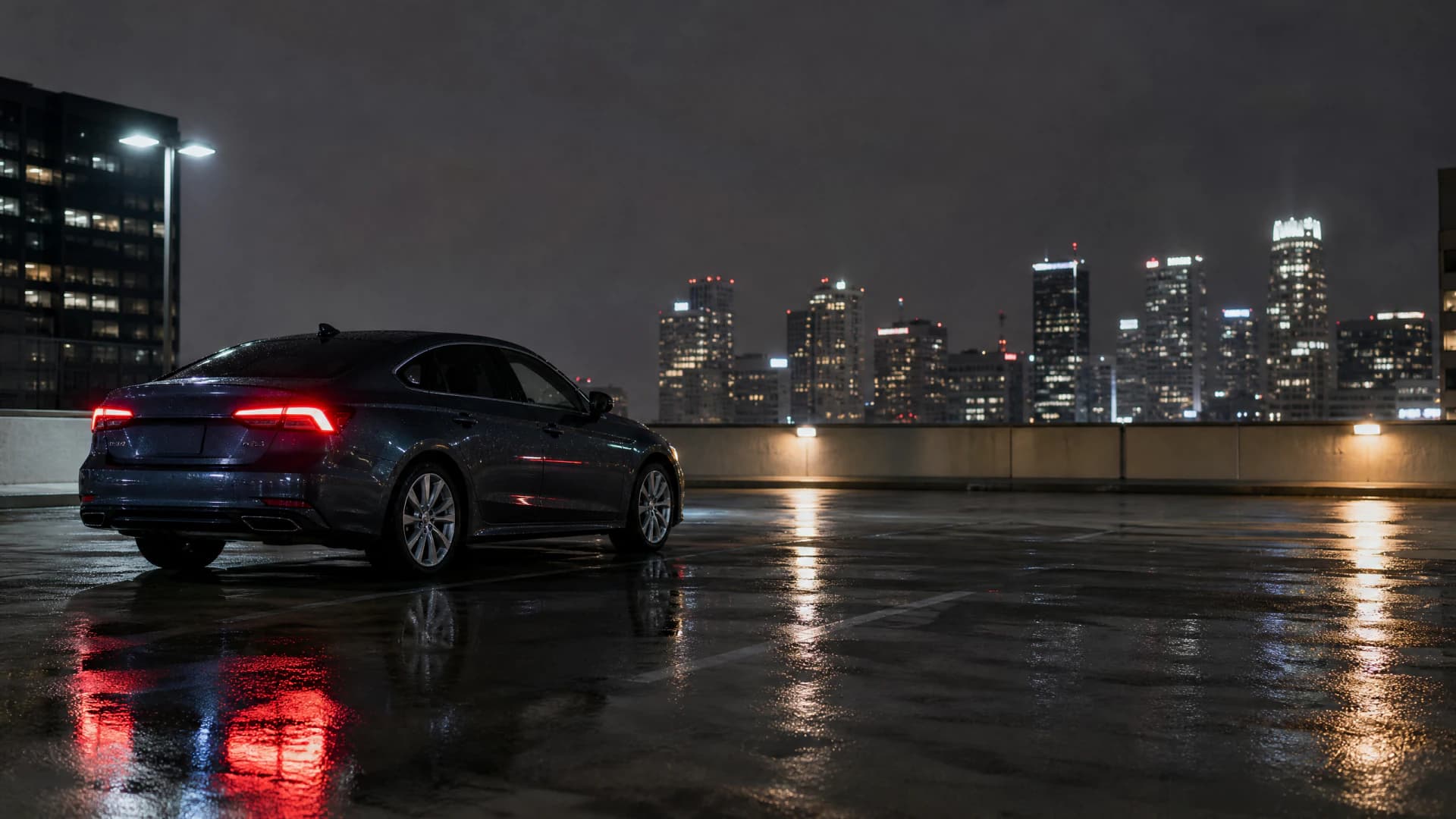
Missing the grace-period deadline voids coverage retroactively to the purchase date. Any claim filed during that window can be denied, and the vehicle becomes uninsured under Nebraska law the moment the period closes.
Related Articles





When Adding a Vehicle Changes Your Multi-Car Discount
The multi-car discount applies when you insure two or more vehicles on the same Nebraska policy, but the discount percentage is not fixed. Carriers recalculate the discount each time you add or remove a vehicle, and the percentage can vary depending on the total number of vehicles, their individual risk profiles, and how the new vehicle changes the policy's overall exposure. A household that adds a third vehicle may see a larger total discount than when they insured two, but the per-vehicle premium can still increase if the new car is expensive to insure or carries higher liability limits than the existing vehicles.
Nebraska carriers typically require all vehicles to be garaged at the same address to qualify for the multi-car discount, though some allow exceptions for college students or household members temporarily living elsewhere. If the new car is garaged at a different address — for example, a second home or a college campus — confirm with your carrier whether the vehicle still qualifies for the same-policy discount. Some carriers will allow it if the vehicle is titled to a household member listed on the policy; others will require a separate policy for the vehicle garaged at the second address.
If you're adding a vehicle to a policy that already carries multiple cars, ask the carrier to provide a breakdown showing the premium for each vehicle before and after the addition. This transparency helps you understand whether the new car's premium is reasonable relative to its value and coverage levels, and whether the multi-car discount is being applied correctly across all vehicles. If the per-vehicle premium seems disproportionately high, compare quotes from other Nebraska carriers that write multi-car policies to confirm you're getting competitive pricing for your household's total exposure.
$25,000 / $50,000 / $25,000
Nebraska Minimum Liability Limits
Nebraska requires all drivers to carry at least $25,000 per person and $50,000 per accident for bodily injury liability, plus $25,000 for property damage liability. These minimums apply to every vehicle you insure, including newly-added cars, and must be maintained continuously to avoid license and registration suspension.
Nebraska Department of Motor Vehicles
Replacing a Vehicle Versus Adding One
If you're replacing an existing vehicle rather than adding one, the process is different. When you trade in or sell a car and buy a new one to take its place, you're swapping one vehicle for another on the same policy, not increasing your vehicle count. Most Nebraska carriers allow you to transfer coverage from the old vehicle to the new one seamlessly, and the multi-car discount remains unchanged because the total number of insured vehicles stays the same. The premium adjustment reflects only the difference in risk between the old car and the new one — if the new car is newer, more expensive, or higher-performance, your premium will increase; if it's older or lower-value, your premium may decrease.
Report the replacement to your carrier as soon as you complete the sale or trade-in, and provide the VIN and purchase date for the new vehicle along with confirmation that you've sold, traded, or otherwise disposed of the old one. The carrier will remove the old vehicle from your policy effective the date of sale and add the new vehicle effective the same date, so there's no coverage gap. If you're financing the new car, provide the lienholder information immediately so the carrier can update the loss-payee designation and issue proof of insurance to the lender.
Compare Carriers Before You Add the Vehicle
Adding a new vehicle to your Nebraska policy is the best time to compare carriers and confirm you're getting competitive pricing for your household's total exposure. Carriers price multi-car policies differently: some offer a larger discount for insuring three or more vehicles, others price individual vehicles more competitively and apply a smaller discount, and the combination that works best depends on your household's specific mix of vehicles, drivers, and coverage levels. A smaller discount on a lower base rate can deliver better total pricing than a larger discount on a higher one.
Request quotes from at least three Nebraska carriers that write multi-car policies before you finalize the addition. Provide the same vehicle details, coverage levels, and household information to each carrier so the quotes are comparable, and ask each to break down the per-vehicle premium and the multi-car discount separately. Compare the total annual premium across all vehicles, not just the cost of adding the new one, because the re-rate affects every car on the policy. If another carrier offers meaningfully lower pricing for the same coverage, switching before you add the new vehicle can save you hundreds of dollars over the policy term and avoid the hassle of switching mid-term after the vehicle is already bound.
How to Report the New Vehicle to Your Carrier
Call your carrier or log into your online account within the grace period — ideally within 48 hours of purchase — and provide the vehicle identification number, purchase date, and current odometer reading. The carrier will ask whether the vehicle is financed or leased, and if so, the name and address of the lienholder or lessor. You'll also confirm the garaging address, which must match the address on your existing policy unless you're moving or the new car is garaged at a different location within your household. If the new car is titled to a household member not currently listed on your policy, the carrier may require you to add that person as a named insured or listed driver before binding coverage.
Once the carrier processes the addition, they'll issue an updated declarations page showing the new vehicle, its coverage levels, and the revised premium. Review the declarations page immediately to confirm that the VIN, coverage limits, deductibles, and lienholder information are correct. If the lender requires proof of insurance before releasing the vehicle or finalizing the loan, request a copy of the updated declarations page and an insurance ID card showing the new vehicle.
Get Your Free Quote
Get My Nebraska Car Insurance QuoteFrequently Asked Questions
How long do I have to add a new car to my Nebraska insurance policy?
Most Nebraska carriers extend automatic coverage to a newly-purchased vehicle for 14 to 30 days from the purchase date, depending on the carrier's policy terms. You must report the vehicle within that grace period to maintain coverage. If you miss the deadline, coverage terminates retroactively and any claim filed during the window can be denied.
Does my existing Nebraska car insurance automatically cover a new car I just bought?
Yes, if you already insure at least one vehicle with the carrier. The new car receives the same coverage levels as the broadest coverage on any vehicle already on your policy, but only for 14 to 30 days. You must formally add the vehicle within the grace period to maintain coverage beyond that window.
Will adding a second car to my Nebraska policy increase my premium?
Yes, but the multi-car discount offsets part of the increase. Adding a vehicle triggers a policy re-rate that recalculates your premium across all vehicles, factoring in the new car's make, model, value, and how it changes your household's total risk profile. The per-vehicle premium can increase even with the discount if the new car is expensive to insure.
Can I add a car to my Nebraska policy if it is garaged at a different address?
It depends on the carrier. Most Nebraska carriers require all vehicles on a multi-car policy to be garaged at the same address to qualify for the discount, but some allow exceptions for college students or household members temporarily living elsewhere. Confirm with your carrier before adding the vehicle.
What happens if I do not report a new car to my Nebraska insurance company?
If you fail to report the vehicle within the grace period, automatic coverage terminates retroactively to the purchase date. Any claim filed during that window can be denied, and the vehicle becomes uninsured under Nebraska law. Operating an uninsured vehicle on public roads can result in license suspension, fines, and SR-22 filing requirements.
Do I need collision and comprehensive coverage on a new car in Nebraska?
Nebraska does not require collision or comprehensive coverage by state law, but your lender or lessor almost certainly does if the vehicle is financed or leased. The lienholder will require you to carry physical-damage coverage with a deductible they approve and name them as the loss payee. If you fail to add the required coverage, the lender can force-place insurance at a much higher cost.