
Proof of Car Insurance — Nebraska
Free to compare
What Nebraska Accepts as Proof
Nebraska law recognizes three formats: a paper insurance card issued by your carrier, a digital image of that card on your phone, or electronic verification the officer can access through the state's database. All three satisfy the proof requirement during a traffic stop, at DMV registration, and during license renewal.
The paper card remains the most reliable. It works when your phone is dead, when you're in a rural area without cell service, and when the officer's in-car verification system is offline. Digital proof depends on your phone's charge and the officer's ability to view the image clearly. Electronic verification depends on your carrier filing your policy data with the Nebraska DMV in real time, which not all carriers do consistently.
“A no-proof ticket triggers the same three-year SR-22 filing as a DUI, even when you were insured at the time.”

Compare Nebraska Car Insurance Quotes Today
Get My Nebraska Car Insurance Quote$25,000 / $50,000 / $25,000
Nebraska Minimum Liability
Nebraska requires $25,000 bodily injury per person, $50,000 per accident, and $25,000 property damage. Your proof document must show coverage at or above these limits. Anything lower is not valid proof, even if a carrier issued the card.
Nebraska DMV
The No-Proof Violation Penalty
That fine is separate from any moving violation that triggered the stop. If you were insured at the time but simply didn't have the card, you can present proof to the court within a set window and the fine may be reduced or dismissed.
The larger consequence: a no-proof conviction triggers a mandatory SR-22 filing requirement. Nebraska DMV suspends your license and registration until you file an SR-22 certificate and maintain it for three years. The SR-22 is not insurance; it is a continuous proof-of-coverage filing your carrier submits to the state every policy term. If your policy lapses during the three-year period, the carrier notifies DMV and your license suspends again.
This SR-22 requirement applies even if you were insured at the time of the stop. The violation is failure to prove coverage, not failure to carry coverage. The penalty structure does not distinguish between the two.
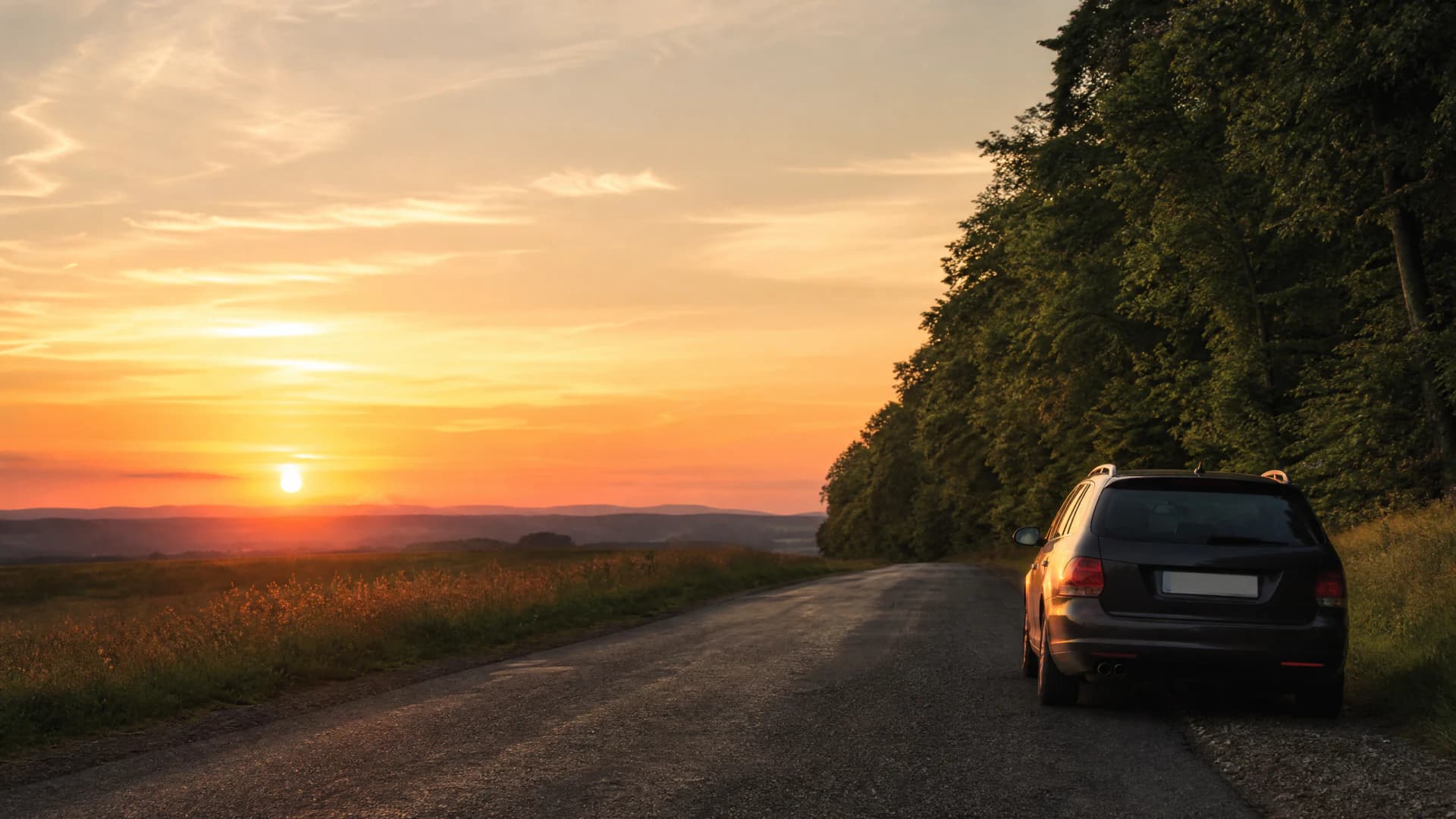
A no-proof ticket triggers the same three-year SR-22 filing requirement as a DUI or uninsured-accident suspension, even when you were insured at the time.
Related Articles

Registration and Renewal Proof Requirements
Nebraska DMV requires proof of insurance when you register a newly purchased vehicle, renew an existing registration, or reinstate a suspended registration. The proof document must show coverage effective on or before the registration date. A policy that starts the day after your registration appointment does not satisfy the requirement.
When you register multiple vehicles on the same day, bring proof for each one. DMV will not register a second or third vehicle using the same proof document unless that document explicitly lists all vehicles. If your policy covers four cars but your carrier issued separate cards for each, bring all four cards to the DMV appointment.
Electronic verification at DMV works only when your carrier has filed your policy data with the state. Not all carriers file in real time. If DMV cannot verify your coverage electronically, you must provide a paper or digital card on the spot, or the registration will not process.
9.5%
Nebraska Uninsured Motorist Rate
Nearly one in ten Nebraska drivers operates without insurance. Uninsured motorist coverage is mandatory in Nebraska, protecting you when an at-fault driver cannot provide proof or coverage. Your proof document must show UM coverage at the state minimum or higher.
Insurance Research Council, 2023
What Happens When Your Policy Changes
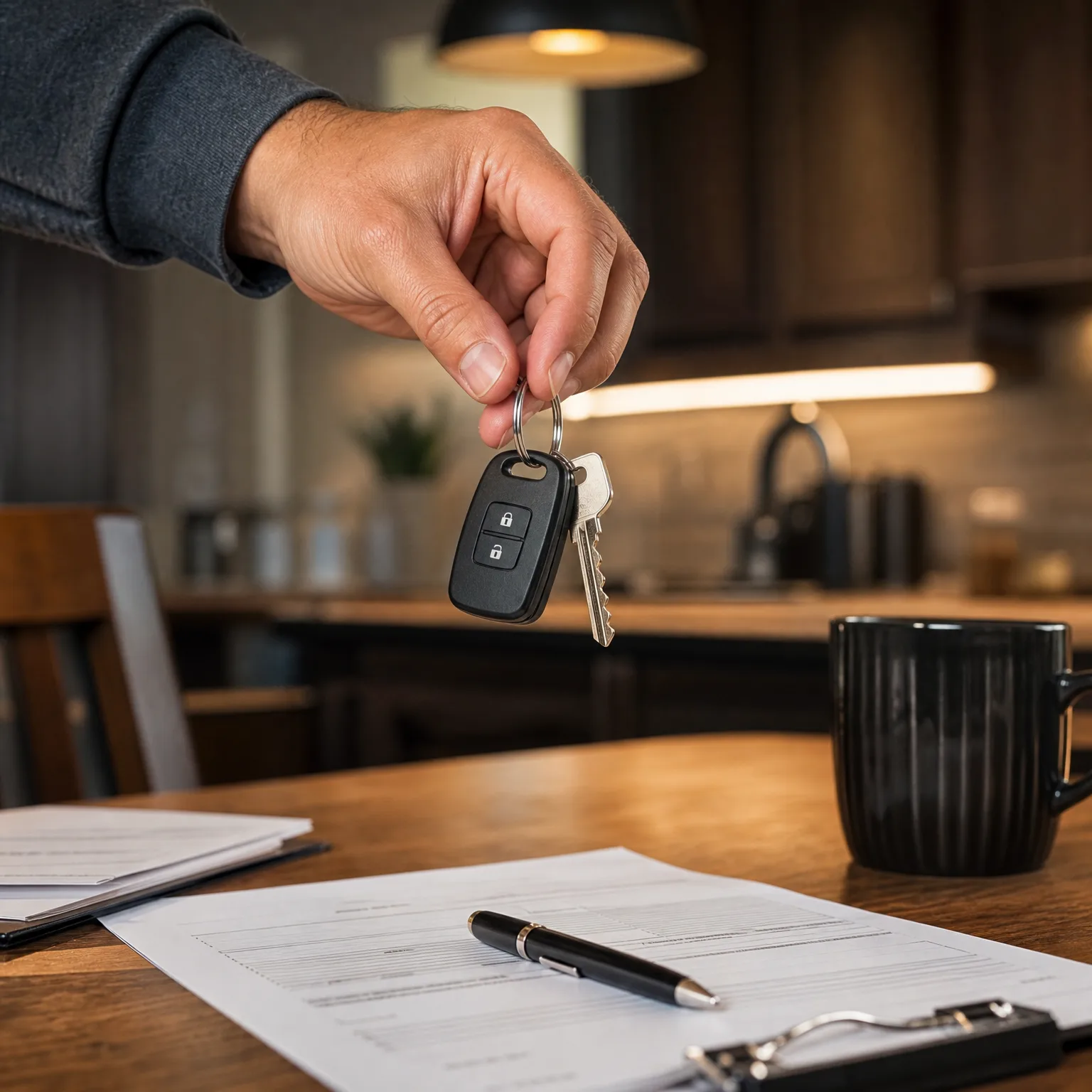
Adding a vehicle mid-term, switching carriers, or changing coverage levels all generate a new proof document. Your carrier mails or emails the updated card within a few business days. Until the new card arrives, your old card is not valid proof for the newly added vehicle, even though the vehicle is covered under the policy's grace period. Print the digital version your carrier emails, or save it to your phone, and carry it in the new vehicle immediately.
When you switch carriers, your old proof document expires on the cancellation date. If your new policy starts the same day, you have continuous coverage but only the new carrier's card is valid proof. Keeping the old card in your glovebox after the policy cancels can create confusion during a stop. Replace it with the new card as soon as it arrives.
Compare Carriers That Insure Multiple Vehicles
Nebraska law does not specify which carrier you use, only that you carry proof of coverage at the state minimum. When you insure multiple vehicles, compare carriers that write multi-car policies in Nebraska and issue proof documents for each vehicle on one policy. Carriers writing in Nebraska include State Farm, Geico, Progressive, Allstate, Farmers, USAA, Nationwide, American Family, and Liberty Mutual. Not all carriers file electronic verification data with DMV in real time, so confirm your carrier's filing process before relying on electronic proof alone. Use the site's comparison tool to see which carriers write your household's vehicles and how each handles proof documentation for multi-car policies.
How to Carry Valid Proof
Your carrier issues one insurance card per vehicle listed on the policy. Each card names the specific vehicle by VIN, year, make, and model. Keep the correct card in each car's glovebox or console. If you drive multiple household vehicles interchangeably, carry proof for all of them, either as separate paper cards or as saved images on your phone. An officer will not accept a card for a different vehicle as proof for the one you're driving.
Digital proof must be immediately accessible. Nebraska law does not require you to unlock your phone and hand it to the officer, but you must display the image on demand. A photo of your insurance card stored in your phone's photo library, a PDF emailed by your carrier, or a carrier app that displays the card all satisfy the requirement. Screenshot the card and save it to an easily-accessible folder. If your carrier's app requires a login and you cannot remember your password during the stop, that proof is not immediately accessible and the officer can cite you.
Get Your Free Quote
Get My Nebraska Car Insurance QuoteFrequently Asked Questions
Can I show a photo of my insurance card on my phone during a traffic stop in Nebraska?
Yes. Nebraska accepts a digital image of your insurance card as valid proof. The image must be immediately accessible on your phone. A screenshot saved to your photo library or a PDF in your email both work. If the officer cannot view the image clearly or your phone is dead, you may be cited for no proof.
What happens if I'm pulled over in Nebraska without proof of insurance but I am insured?
If you present valid proof to the court within the allowed window, the fine may be reduced or dismissed. However, a conviction still triggers a mandatory SR-22 filing requirement for three years, even though you were insured at the time of the stop.
Do I need separate insurance cards for each car I own in Nebraska?
Yes. Your carrier issues one card per vehicle on your policy. Each card names the specific vehicle by VIN and model. During a traffic stop, you must show proof for the vehicle you are driving. A card for a different vehicle on the same policy does not satisfy the requirement.
How long does the SR-22 filing last after a no-proof ticket in Nebraska?
Three years from the conviction date. Nebraska DMV requires continuous SR-22 filing for the full period. If your policy lapses at any point during those three years, your carrier notifies DMV and your license suspends again until you refile.
Does Nebraska DMV verify my insurance electronically when I register a vehicle?
Sometimes. Nebraska DMV can verify coverage electronically if your carrier has filed your policy data with the state in real time. Not all carriers file immediately. If DMV cannot verify electronically, you must provide a paper or digital insurance card on the spot, or the registration will not process.
What counts as valid proof when I add a new car to my existing policy in Nebraska?
Your carrier issues a new insurance card for the newly added vehicle within a few business days. Until the card arrives, the old cards for your other vehicles are not valid proof for the new one, even though the new vehicle is covered. Print or save the digital card your carrier emails and carry it in the new vehicle immediately.