
Insurance Lapse on a Registered Car — Nebraska
Free to compare
What Triggers the Suspension Notice
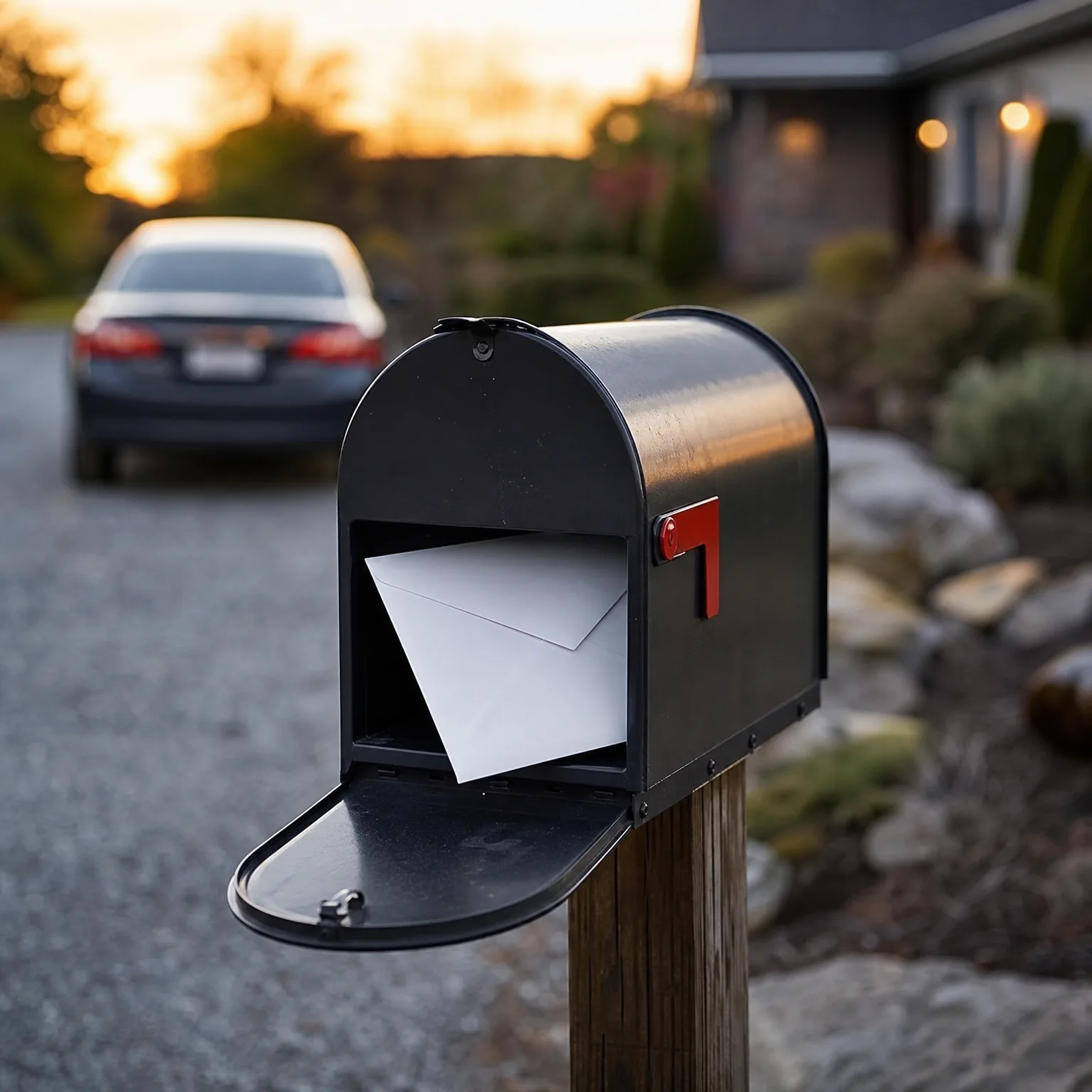
Nebraska's Department of Motor Vehicles cross-references vehicle registration records against active insurance policies continuously. When your carrier reports a policy cancellation or non-renewal and the DMV finds no replacement coverage on file, the system flags your registration. You receive a suspension notice within 30 days of the lapse, regardless of whether the car is parked, garaged, or actively driven.
The notice arrives by mail at the address on your registration. It names the lapse date, the vehicle identification number, and the deadline to provide proof of insurance or surrender your plates. Missing that deadline converts the notice into an active suspension. Once suspended, driving the vehicle becomes illegal even if you reinstate coverage the next day — the suspension stays in effect until you complete the reinstatement process and pay the fee.
“The suspension notice deadline is non-negotiable — missing it by one day converts the notice into an active suspension requiring the full reinstatement process.”

Compare Nebraska Car Insurance Quotes Today
Get My Nebraska Car Insurance Quote$50
Nebraska Reinstatement Fee
The state charges a flat $50 reinstatement fee after any insurance lapse suspension, separate from the cost of obtaining new coverage. This fee applies whether the lapse lasted one day or six months.
Nebraska Department of Motor Vehicles
Why Registration Status Does Not Protect You
Many drivers assume that keeping a car registered signals intent to insure it, or that the DMV will not pursue a lapse if the vehicle is not being driven. Nebraska law requires continuous insurance on every registered vehicle. Registration and insurance are separate obligations, and maintaining one does not excuse the other.
The state does not distinguish between a car you drive daily and a car that sits in your driveway. If the registration is active and the insurance lapses, the DMV treats it as a violation. The only way to avoid the suspension notice is to surrender your plates to the DMV before the insurance ends, formally removing the vehicle from registered status.
Households insuring multiple vehicles face compounded risk. If one car's coverage lapses while the others remain insured, the DMV suspends only the lapsed vehicle's registration — but that suspension can trigger rate increases across your entire household when you apply for new coverage. Carriers view any suspension, even one resolved quickly, as a compliance failure that raises your risk profile.

The suspension notice deadline is non-negotiable. Missing it by one day converts the notice into an active suspension, requiring the full reinstatement process and fee.






What Happens If You Miss the Deadline
Once the deadline passes without proof of insurance on file, the DMV suspends your registration. Driving the vehicle after suspension is illegal, and officers can impound the car at roadside. The suspension remains in effect until you obtain new coverage, file an SR-22, pay the $50 reinstatement fee, and wait for the DMV to process the reinstatement — typically one to three business days after payment.
The SR-22 filing period begins on the date the DMV lifts the suspension, not the date you obtain coverage. Nebraska requires continuous SR-22 filing for three years. If your coverage lapses again during that period, the DMV restarts the suspension process and extends the SR-22 requirement. Carriers monitor SR-22 policies closely and report lapses to the DMV within 24 hours.
Households with multiple vehicles should verify that every car on the policy remains covered after any mid-term change. Adding or removing a vehicle, changing drivers, or adjusting coverage levels can trigger carrier underwriting reviews that result in non-renewal notices. If one vehicle is removed from the policy but remains registered, the DMV treats it as an uninsured vehicle and issues a suspension notice for that car alone.
3 years
Nebraska SR-22 Filing Period
Nebraska requires SR-22 filing for three years after any insurance lapse suspension. The period begins when the DMV lifts the suspension, not when you obtain new coverage. Any lapse during the three-year period restarts the clock.
Nebraska Department of Motor Vehicles

How Carriers Treat Lapse History
Carriers view insurance lapses as high-risk indicators. When you apply for new coverage after a lapse, the carrier pulls your motor vehicle report and sees the suspension. Many standard-tier carriers decline to write policies for drivers with recent suspensions, forcing you into the non-standard market where premiums run higher. Even carriers that accept lapse history typically surcharge the policy for three to five years.
Households insuring multiple vehicles face additional scrutiny. Carriers evaluate the entire household's driving and compliance history when rating a multi-car policy. A lapse on one vehicle affects the premium for every car on the policy, even if the other vehicles maintained continuous coverage. Some carriers refuse to write multi-car policies for households with any lapse in the past 36 months, requiring each vehicle to carry a separate policy until the lapse ages off the record.
Compare Carriers That Write Post-Lapse Coverage
Not every carrier writes policies for drivers with recent suspensions, and those that do vary widely in how they price lapse history. Nebraska's minimum liability requirements are $25,000 per person, $50,000 per accident for bodily injury, and $25,000 for property damage, with mandatory uninsured motorist coverage. Meeting those minimums after a lapse requires finding a carrier willing to file an SR-22 and accept your suspension history.
Carriers writing post-lapse coverage in Nebraska include Dairyland, The General, Progressive, Bristol West, and National General. Each evaluates lapse history differently — some surcharge based on the length of the lapse, others on the number of lapses in the past five years. Request quotes from multiple carriers and compare the total annual premium including the SR-22 filing fee. The carrier with the lowest base rate may not offer the lowest total cost once surcharges and fees are added. Use the comparison tool to see which carriers write your household's vehicles and what each charges for SR-22 filing.
How to Respond to the Suspension Notice
Obtain new coverage immediately. Contact a carrier that writes policies in Nebraska and request a policy effective the same day you call. Provide the carrier with your vehicle identification number, registration details, and the suspension notice reference number if the DMV included one. The carrier files an SR-22 certificate electronically with the DMV, confirming that coverage is now active. Nebraska requires SR-22 filing for three years after any uninsured-driving suspension.
Submit proof of insurance to the DMV before the notice deadline. Most carriers file the SR-22 electronically within hours, but you should confirm the filing with the DMV by phone or online portal before the deadline passes. If the DMV does not show the SR-22 on file by the deadline, your registration suspends automatically. Keep a copy of your insurance declarations page and the SR-22 confirmation in your vehicle — officers can request proof during any traffic stop, and a suspended registration is a primary offense in Nebraska.
Get Your Free Quote
Get My Nebraska Car Insurance QuoteFrequently Asked Questions
Can I avoid the suspension if I surrender my plates after the lapse?
Surrendering plates after the lapse does not cancel the suspension notice. You must surrender plates before the insurance ends to avoid triggering the DMV's lapse-detection system. Once the notice is issued, you must provide proof of insurance or complete the reinstatement process.
Does the SR-22 requirement apply if I reinstate coverage before the deadline?
Yes. Nebraska requires SR-22 filing for three years after any uninsured-driving suspension, even if you reinstate coverage before the registration suspends. The SR-22 period begins when the DMV lifts the suspension or, if you meet the deadline, when the DMV receives proof of coverage.
What happens if I let coverage lapse on one car in a multi-car policy?
The DMV suspends only the lapsed vehicle's registration, but the suspension affects your entire household's insurance rates. Carriers view any suspension as a compliance failure and typically surcharge every vehicle on the policy when you apply for new coverage.
How long does reinstatement take after I pay the fee?
The DMV processes reinstatements within one to three business days after receiving payment and proof of SR-22 filing. You cannot legally drive the vehicle until the DMV confirms the suspension is lifted, even if you have active insurance.
Can I insure other vehicles while one car is suspended?
Yes, but many carriers refuse to write multi-car policies for households with any active suspension. You may need to insure each vehicle separately until the suspended car's registration is reinstated and the SR-22 filing period is underway.