
Nebraska Financial Responsibility Law — What It Requires
Free to compare
What Financial Responsibility Actually Means in Nebraska
You need to prove you can pay for damage you cause in an accident. That is what Nebraska's financial responsibility law requires. Most drivers satisfy this requirement by carrying liability insurance, but the law does not mandate insurance itself — it mandates the ability to cover claims up to the state's minimum thresholds. When you register multiple vehicles, each one must be backed by proof that meets those thresholds, whether through a single policy covering all cars or separate policies per vehicle.
The distinction matters when you are structuring coverage for a household with two, three, or four vehicles. A multi-car policy satisfies the financial responsibility requirement for every vehicle listed on it, but only if the policy's liability limits meet or exceed the state minimums. If you drop coverage on one vehicle mid-term or let a policy lapse, that vehicle immediately fails the financial responsibility test, even if your other cars remain insured.
“Nebraska requires proof of ability to pay for damage you cause, not proof of insurance — a distinction that changes how you structure coverage across multiple vehicles.”
Compare Nebraska Car Insurance Quotes Today
Get My Nebraska Car Insurance Quote$25,000/$50,000/$25,000
Nebraska Liability Minimums
Nebraska requires $25,000 bodily injury per person, $50,000 bodily injury per accident, and $25,000 property damage. These are the thresholds your policy must meet to satisfy the financial responsibility law for each vehicle you register.
Nebraska DMV
The State Requires Uninsured Motorist Coverage
Nebraska mandates uninsured motorist coverage in addition to liability. This is not optional. Your policy must include UM coverage at limits matching your liability limits unless you explicitly reject it in writing. When you insure multiple vehicles on one policy, the UM requirement applies to the entire policy, not per vehicle — one set of UM limits covers all cars listed.
Approximately 9.5% of Nebraska drivers are uninsured. That is nearly one in ten vehicles on the road. UM coverage pays your medical bills and vehicle damage when an uninsured driver hits you and cannot cover the loss. Without it, you are left filing a lawsuit against someone who likely has no assets to collect from.
If you reject UM coverage to lower your premium, you must sign a written rejection form acknowledging the risk. Most carriers will not allow you to reject UM below your liability limits without that signature. For households with multiple vehicles, rejecting UM saves a modest amount per vehicle but exposes every driver and every car on the policy to uncompensated losses from uninsured drivers.
Nebraska does not require personal injury protection (PIP), but it does require uninsured motorist coverage. Confusing the two leaves a household unprotected against the state's 9.5% uninsured driver rate.




Proof of Insurance and Registration
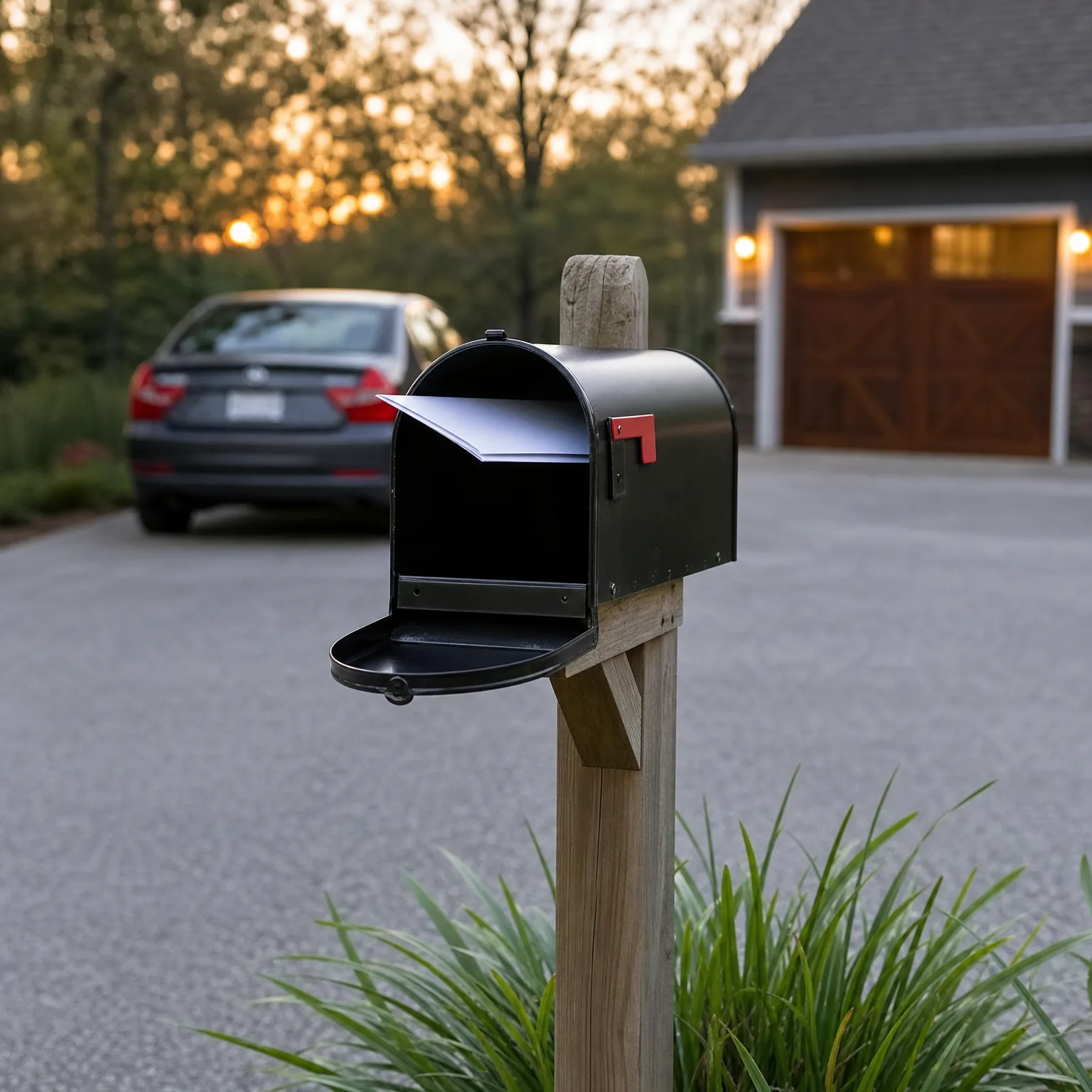
Nebraska requires proof of insurance at registration and during traffic stops. Proof means an insurance card, a digital proof document from your carrier's app, or an SR-22 certificate if you are required to file one. When you register multiple vehicles, each vehicle's registration is tied to proof that the vehicle is insured under a policy meeting the state's minimums.
If you insure all your vehicles on one multi-car policy, a single proof document covers every car listed. You do not need separate proof cards per vehicle, but you do need to carry proof for the specific vehicle you are driving. If you split your household's vehicles across two policies — one for daily drivers, one for a rarely-driven classic — each policy generates its own proof document, and you must carry the correct one for the vehicle you are operating.
Failing to provide proof during a traffic stop results in a citation, even if you are insured. The officer cannot verify coverage without proof, and Nebraska law places the burden on you to carry it. For households with multiple vehicles, keeping digital proof in your phone for every car on the policy eliminates the risk of leaving the physical card in the wrong vehicle.
9.5%
Nebraska Uninsured Driver Rate
Nearly one in ten Nebraska drivers operates without insurance. This is why the state mandates uninsured motorist coverage — it protects you when the at-fault driver cannot pay for the damage they cause.
Insurance Information Institute
What Happens If You Drive Without Meeting the Requirement
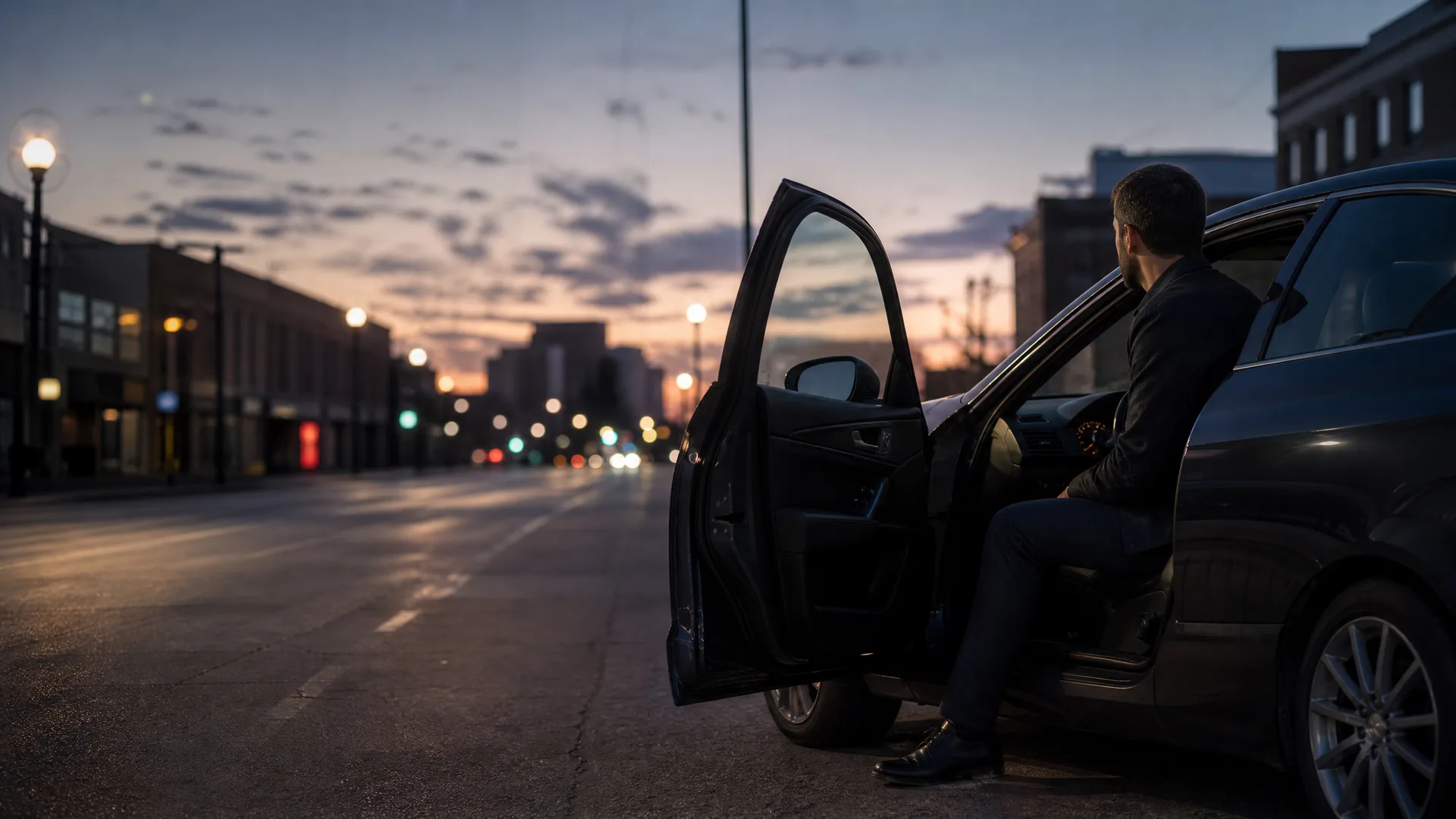
Driving without financial responsibility proof in Nebraska triggers penalties that escalate with each violation. A first offense results in a citation and a requirement to file SR-22 proof of insurance for three years. Subsequent offenses add license suspension, vehicle impoundment, and reinstatement fees. The Nebraska DMV tracks compliance, and a lapse in coverage — even a single day — restarts the SR-22 filing clock.
For households with multiple vehicles, a lapse on one car does not automatically suspend your license or affect your other vehicles, but it does expose you to penalties if you drive the uninsured vehicle. If you let a multi-car policy lapse entirely, every vehicle on that policy loses coverage simultaneously, and you face penalties for each one if caught driving any of them.
Compare Carriers That Write Multi-Vehicle Policies in Nebraska
Nebraska's financial responsibility law sets the floor, but your household's actual coverage needs depend on how many vehicles you insure, who drives them, and what assets you are protecting. A multi-car policy consolidates liability and UM coverage across all your vehicles under one set of limits, satisfying the state requirement for each car while simplifying proof and renewal. Comparing carriers that write multi-vehicle policies in Nebraska shows you which ones offer the structure and limits that fit your household. Start with carriers licensed in the state, confirm they write the coverage you need, and compare quotes that meet or exceed the $25,000/$50,000/$25,000 minimums and include uninsured motorist coverage at matching limits.
How the Law Applies When You Add or Remove a Vehicle
When you buy a new vehicle, most carriers extend your existing policy's coverage to the new car for a limited grace period, typically 14 to 30 days. During that window, the new vehicle is covered at the same liability and UM limits as your existing cars. If you do not formally add the vehicle to your policy before the grace period expires, coverage lapses, and the vehicle no longer satisfies Nebraska's financial responsibility requirement. Driving it uninsured after that point subjects you to penalties.
Removing a vehicle works the opposite way. If you sell a car or take it off the road, notify your carrier immediately to remove it from the policy. The liability and UM coverage for that vehicle stops, but the requirement does not transfer to your remaining cars — they are already covered under the same policy. If you replace the removed vehicle with a new one, the grace period applies again, and you must add the replacement within the carrier's window to maintain continuous coverage.
Get Your Free Quote
Get My Nebraska Car Insurance QuoteFrequently Asked Questions
Does Nebraska require insurance on every vehicle I own?
Nebraska requires financial responsibility proof for every vehicle you register and drive, which most drivers satisfy with liability insurance. If you own a vehicle but do not drive it or register it, you are not required to insure it. However, if you register multiple vehicles, each one must be backed by a policy meeting the state's $25,000/$50,000/$25,000 liability minimums and uninsured motorist coverage.
Can I insure multiple vehicles on one policy in Nebraska?
Yes. A multi-car policy covers all listed vehicles under one set of liability and uninsured motorist limits, satisfying Nebraska's financial responsibility requirement for each car. Most carriers offer multi-vehicle policies, and insuring all your household's cars on one policy typically costs less than separate policies per vehicle.
What is the penalty for driving without insurance in Nebraska?
A first offense for driving without financial responsibility proof results in a citation and a requirement to file SR-22 for three years. A lapse in coverage restarts the SR-22 filing period, and driving any uninsured vehicle in your household exposes you to these penalties.
Do I need uninsured motorist coverage in Nebraska?
Yes. Nebraska mandates uninsured motorist coverage at limits matching your liability coverage unless you reject it in writing. Approximately 9.5% of Nebraska drivers are uninsured, and UM coverage pays your medical bills and vehicle damage when an uninsured driver hits you. Rejecting UM coverage requires signing a written rejection form acknowledging the risk.
How long do I have to add a new vehicle to my Nebraska policy?
Most carriers extend your existing policy's coverage to a newly purchased vehicle for 14 to 30 days. During that grace period, the new car is covered at the same liability and UM limits as your existing vehicles. If you do not formally add the vehicle before the grace period expires, coverage lapses, and the vehicle no longer satisfies Nebraska's financial responsibility requirement.
What counts as proof of insurance in Nebraska?
Proof of insurance in Nebraska includes an insurance card issued by your carrier, a digital proof document from your carrier's mobile app, or an SR-22 certificate if you are required to file one. You must carry proof for the specific vehicle you are driving. Failing to provide proof during a traffic stop results in a citation, even if you are insured.