
Cheapest Car Insurance Companies — Nebraska
Free to compare
Why the Multi-Car Discount Alone Does Not Find the Cheapest Rate
You added a second or third vehicle to your policy and expected the multi-car discount to lower your combined premium. Instead, the total jumped higher than you thought it would. The discount applied, but the base rate was high enough that the savings did not offset the cost of adding the vehicle.
The structural reality: a smaller discount on a lower base rate beats a larger discount on a higher base rate. Nebraska has 20 carriers writing auto policies statewide, and their base rates vary widely. The cheapest combined premium for a household with multiple vehicles comes from comparing total cost across carriers, not from assuming the carrier with the biggest advertised discount wins.
“A smaller discount on a lower base rate beats a larger discount on a higher base rate every time.”

Compare Nebraska Car Insurance Quotes Today
Get My Nebraska Car Insurance Quote$25,000 / $50,000 / $25,000
Nebraska Minimum Liability Limits
Every vehicle on your policy must carry at least $25,000 bodily injury per person, $50,000 per accident, and $25,000 property damage. Uninsured motorist coverage is also required. These minimums apply to every car you insure, and carriers price them differently.
Nebraska DMV
How Base Rates and Multi-Car Discounts Interact
The multi-car discount reduces the premium for each vehicle on the policy, typically by a percentage of each car's individual rate. Carriers calculate the discount after determining the base rate for each vehicle. A carrier with a high base rate and a large discount can still cost more than a carrier with a low base rate and a smaller discount.
Nebraska carriers set base rates using different rating factors. Some weight driving history heavily. Others emphasize vehicle type or garaging location. A household with three vehicles, two older drivers, and clean records may get the lowest total premium from a preferred-tier carrier like State Farm or USAA. A household with one young driver and two vehicles may pay less with a standard-tier carrier like Geico or Progressive.
The only way to know which carrier delivers the lowest combined premium for your specific household is to compare total cost across multiple carriers. The advertised discount percentage tells you nothing about the final number.
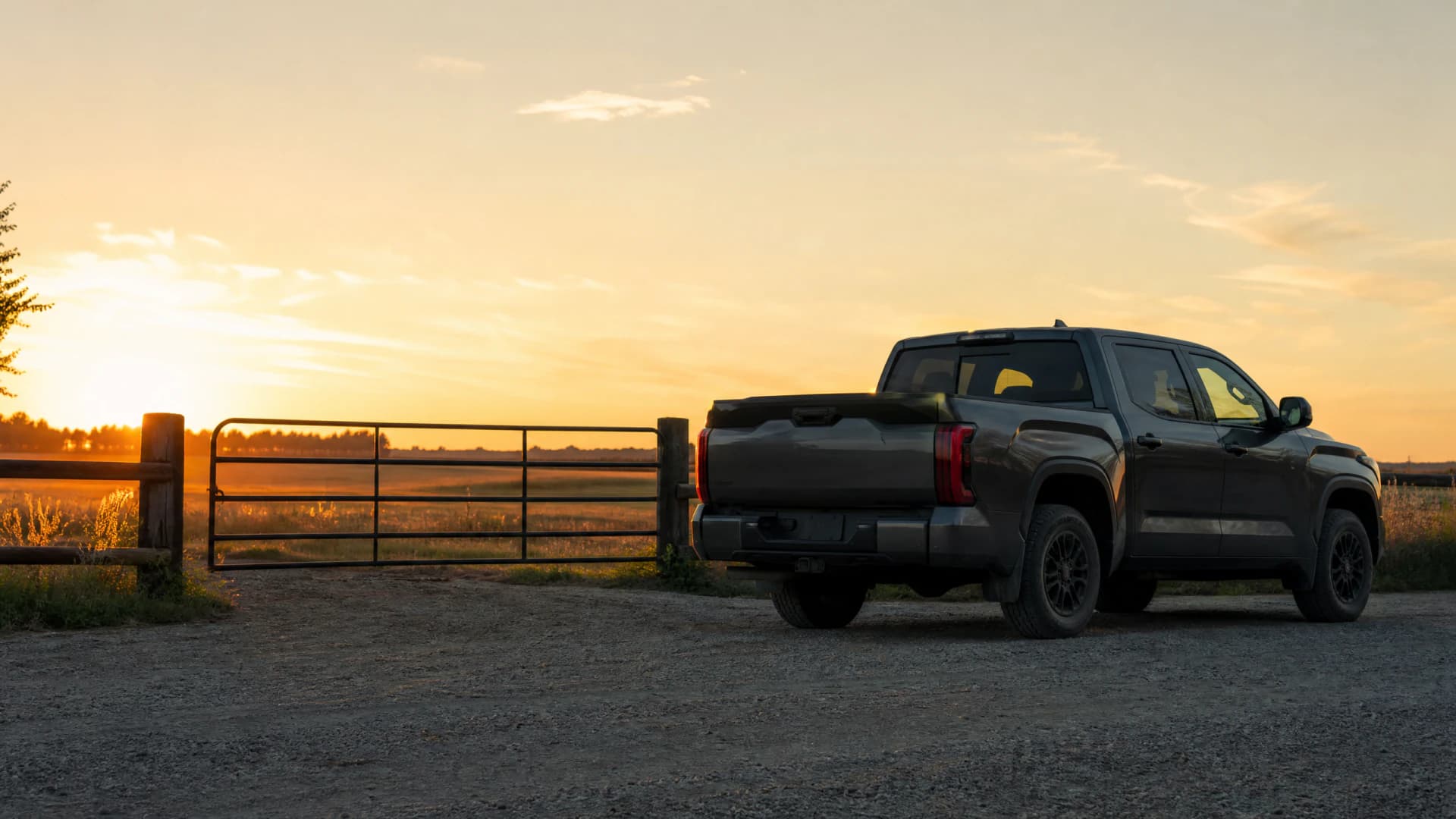
Compare the total, not the discount.
Related Articles




How Adding a Vehicle Re-Rates the Entire Policy
When you add a vehicle to an existing policy, the carrier re-rates every car on the policy. The multi-car discount applies to the new total, but the base rate for each vehicle may shift depending on the new household profile. Adding a high-value vehicle or a vehicle driven by a young driver can increase the rate for every car on the policy, not just the new one.
Nebraska carriers re-rate at the time you add the vehicle, not at renewal. If you buy a car mid-term and add it to your policy, the carrier recalculates the premium immediately. Some carriers allow you to add a vehicle online and see the new total before committing. Others require a phone call and do not show the new rate until after the vehicle is added.
The failure mode: you assume the multi-car discount will offset the cost of the new vehicle, but the re-rating increases the base rate for the entire policy. The only way to avoid overpaying is to get quotes from multiple carriers before adding the vehicle, compare the total cost for all cars combined, and switch if another carrier delivers a lower total.
20 carriers
Nebraska Auto Insurance Roster
Twenty carriers write auto policies statewide. Preferred-tier carriers like State Farm and USAA compete for low-risk multi-car households. Standard-tier carriers like Geico and Progressive write broader profiles. Non-standard carriers like Dairyland and The General write higher-risk drivers but rarely win on price for clean-record households.
Nebraska Department of Insurance

When Combining Two Policies Saves Money and When It Does Not
Two adults with separate policies often assume combining them into one multi-car policy will lower the total premium. Sometimes it does. Sometimes it does not. The outcome depends on how each carrier prices the combined household profile versus the individual profiles.
If one driver has a clean record and the other has a recent violation, combining policies may increase the clean driver's rate more than the multi-car discount saves. If both drivers have clean records and both policies are with the same carrier, combining almost always lowers the total. If the policies are with different carriers, you need quotes from both carriers for the combined policy and quotes from a third carrier to know which path costs less.
Compare Total Cost Across Carriers Before You Commit
The cheapest carrier for a household with multiple vehicles in Nebraska is the one that delivers the lowest total premium for all cars combined, not the one with the biggest advertised discount. Get quotes from at least three carriers. State Farm, Geico, Progressive, and American Family write the most multi-car policies statewide and compete aggressively for clean-record households. USAA wins for military families that qualify.
When you compare, give each carrier the same information: every vehicle, every driver, the same coverage limits, the same deductibles. Ask for the total premium with the multi-car discount applied. Compare the final number, not the discount percentage. The carrier with the lowest total wins, regardless of how they got there.
Which Nebraska Carriers Write Multi-Car Policies
Preferred-tier carriers like State Farm, USAA, Allstate, and American Family typically offer the lowest rates for households with clean driving records, older vehicles, and multiple cars. These carriers weight longevity and low-risk profiles heavily. USAA restricts eligibility to military members and their families but consistently delivers low combined premiums for multi-car households that qualify.
Standard-tier carriers like Geico, Progressive, Farmers, and Nationwide write a broader range of driver profiles and often deliver competitive rates for households with one higher-risk driver and multiple vehicles. Non-standard carriers like Dairyland, Bristol West, and The General write drivers with violations or lapses but rarely compete on price for multi-car households with clean records.
Get Your Free Quote
Get My Nebraska Car Insurance QuoteFrequently Asked Questions
Which car insurance company is cheapest for multiple cars in Nebraska?
The cheapest carrier depends on your household profile. State Farm, Geico, and American Family compete aggressively for clean-record households with multiple vehicles. USAA delivers the lowest rates for military families that qualify. Compare total cost across at least three carriers to find the lowest combined premium.
Does the multi-car discount apply to every vehicle on the policy?
Yes. The multi-car discount reduces the premium for each vehicle on the policy. The discount is calculated as a percentage of each car's individual rate, so the savings vary by vehicle. A higher-value car saves more in dollars than a lower-value car, even though the percentage is the same.
Can I insure two cars with different carriers and still save money?
You can, but you lose the multi-car discount. The discount only applies when every vehicle sits on the same policy with the same carrier. Splitting vehicles across two carriers may cost less if one driver has a violation and combining policies would increase the clean driver's rate more than the discount saves.
How much does adding a second car increase my premium in Nebraska?
Adding a vehicle re-rates the entire policy. The increase depends on the new vehicle's value, the driver assigned to it, and how the carrier prices the new household profile. The multi-car discount offsets part of the cost, but the base rate for every car may shift when you add a vehicle.
Do I need to re-shop my car insurance every time I add a vehicle?
Yes. Adding a vehicle re-rates your policy, and the new total may no longer be competitive. Get quotes from at least three carriers before adding the vehicle. Compare the total cost for all cars combined. Switch if another carrier delivers a lower total.
What coverage do I need for multiple cars in Nebraska?
Every vehicle must carry at least $25,000 bodily injury per person, $50,000 per accident, $25,000 property damage, and uninsured motorist coverage. These are state minimums. Most households with multiple vehicles carry higher limits and add collision and comprehensive coverage on financed or newer vehicles.