
Cheapest Car Insurance in Nebraska — Multi-Car Households
Free to compare
Why the Cheapest Carrier for One Car Changes When You Add a Second
You found the lowest rate for your first vehicle, then added a second car to the policy and watched your combined premium jump higher than a competitor's quote for both vehicles together. The carrier that wins on a single-vehicle policy often loses on a multi-car policy because the multi-car discount structure varies across Nebraska's 20-carrier roster. Some carriers apply a deeper discount to the second and third vehicle; others hold a lower base rate but offer a smaller percentage reduction when you add cars.
The structural reality: Nebraska does not regulate multi-car discount amounts or require carriers to offer them at all. Each carrier sets its own discount depth, same-policy requirements, and whether the discount applies per vehicle or to the total policy premium. A carrier advertising the lowest single-vehicle rate may rank fourth or fifth once you add two more cars and calculate the household total.
“The carrier that wins on a single-vehicle policy often loses on a multi-car policy because discount structure varies across Nebraska's 20-carrier roster.”

Compare Nebraska Car Insurance Quotes Today
Get My Nebraska Car Insurance Quote$82/mo
Nebraska Average Monthly Premium
This figure represents the statewide average for a single insured vehicle. Households insuring multiple vehicles on one policy typically see a lower per-vehicle average after the multi-car discount applies, but the combined household premium depends on how many vehicles you're adding and each carrier's discount structure.
NAIC Auto Insurance Database Report 2023
How Multi-Car Discounts Work Across Nebraska Carriers
The multi-car discount requires every vehicle to sit on the same policy, issued to the same named insured, and typically garaged at the same address. When you add a second vehicle, the carrier re-rates the entire policy rather than simply adding a flat amount. Most carriers apply the discount to the second vehicle and any vehicles added after that, not to the first. A few carriers reduce the total policy premium instead, which can produce a lower combined rate even if the per-vehicle discount looks smaller on paper.
Nebraska's 20-carrier roster includes State Farm, GEICO, Progressive, Allstate, Farmers, Nationwide, American Family, Liberty Mutual, Travelers, USAA, and ten others writing standard and non-standard auto policies in the state. Carriers that write preferred-tier policies typically offer multi-car discounts in the range competing sites describe as substantial; carriers writing non-standard policies for higher-risk drivers may offer smaller discounts or none at all. The discount depth is not published in a standardized format, so the only way to know which carrier offers the lowest combined rate for your household is to compare quotes with every vehicle and driver listed.
Same-policy requirements matter when household members own separate vehicles. A car titled to your spouse, adult child, or other household member must be added to your policy to qualify for the multi-car discount. If that vehicle sits on a separate policy under a different named insured, even within the same household, the discount does not apply. Some carriers allow you to list household members as drivers without requiring their vehicles to be on your policy, but that structure forfeits the multi-car discount.
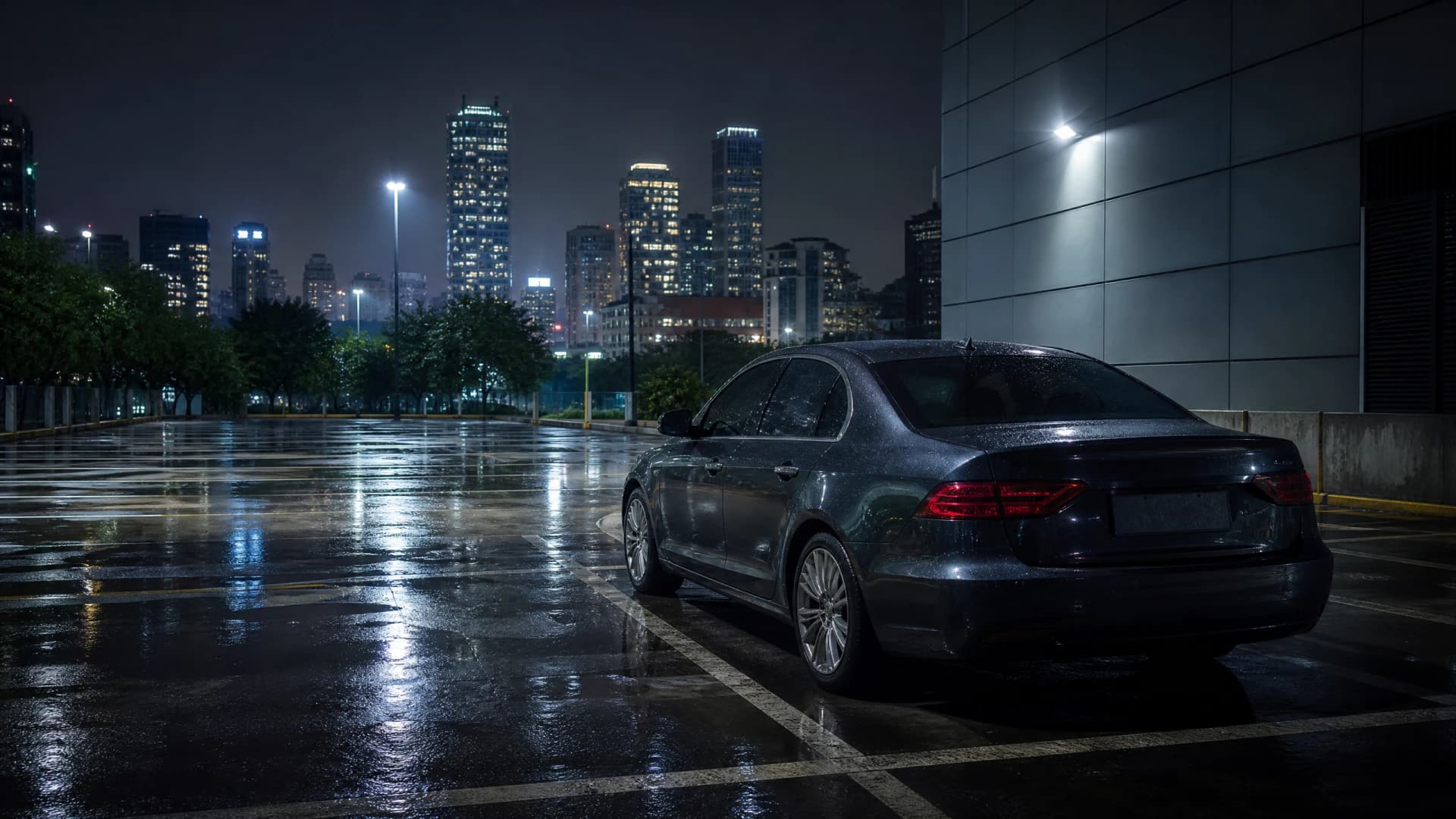
A vehicle titled to a household member on a separate policy does not count toward your multi-car discount, even if both policies are with the same carrier.
Related Articles





When a Lower Base Rate Beats a Bigger Discount
A carrier with a smaller multi-car discount can still produce the lowest combined premium if its base rate is significantly lower than competitors. This happens most often when you're adding a third or fourth vehicle: the incremental discount on each additional car shrinks, and the base rate becomes the dominant factor in the total cost. Carriers writing non-standard policies for drivers with violations or lapses often hold lower base rates than preferred-tier carriers, but their multi-car discounts are smaller or absent entirely.
Calculate the total annual premium for all vehicles combined, not the per-vehicle average. A carrier quoting a low rate for your first car and a moderate rate for the second may beat a competitor quoting moderate rates for both if the first carrier's total is lower. The per-vehicle breakdown is useful for understanding how the discount applies, but the household total is the figure that determines which carrier is cheapest for your situation.
Nebraska's $25,000 per person, $50,000 per accident, $25,000 property damage liability minimums apply to every vehicle on your policy. When you add a second or third car, you are not doubling or tripling the liability limit: the per-accident limit remains $50,000 bodily injury regardless of how many vehicles you insure. Carriers price each vehicle's collision and comprehensive coverage separately based on the car's value, but the liability premium is spread across the policy. This structure means adding an older, lower-value vehicle to your policy increases the total premium less than adding a new, high-value car.
20 carriers
Nebraska Auto Insurance Roster
Nebraska's carrier roster includes State Farm, GEICO, Progressive, Allstate, Farmers, Nationwide, American Family, Liberty Mutual, Travelers, USAA, and ten additional carriers writing standard, preferred, and non-standard policies. Not every carrier offers online quotes; some require you to work through an agent, which adds a step to the comparison process but does not change the premium.
Nebraska Department of Insurance carrier licensing records

What Happens When You Add or Remove a Vehicle Mid-Term
Adding a vehicle to an existing policy re-rates the entire policy from the date you add the car forward. The carrier recalculates the multi-car discount, applies it to the newly-added vehicle and any vehicles already on the policy, and issues an updated premium for the remainder of the term. You do not pay the full annual premium for the new vehicle upfront: the carrier prorates the cost from the addition date to your next renewal. Removing a vehicle mid-term works the same way in reverse: the carrier recalculates the discount, removes the deleted vehicle's premium, and adjusts your payment for the rest of the term.
Most Nebraska carriers give you a grace period to report a newly-purchased vehicle, typically 14 to 30 days. During that window, the new car is covered under your existing policy's liability, collision, and comprehensive limits, but you must notify the carrier and add the vehicle formally before the grace period ends. If you miss the deadline and file a claim on the unreported vehicle, the carrier can deny coverage. The multi-car discount does not apply to the new vehicle until you complete the addition process and the carrier re-rates the policy.
Compare Nebraska Carriers Writing Multi-Car Policies
The cheapest carrier for your household depends on how many vehicles you're insuring, where they're garaged, and each driver's record. Request quotes from State Farm, GEICO, Progressive, Allstate, and Farmers as a baseline, then add quotes from American Family, Nationwide, Liberty Mutual, and Travelers if those carriers write policies in your county. List every vehicle and every driver when you request the quote: incomplete information produces an inaccurate premium that will change once the carrier runs the full underwriting process. Compare the total annual premium for all vehicles combined, not the per-vehicle breakdown, to identify which carrier offers the lowest rate for your household's configuration.
Comparing Carriers for Two or More Vehicles in Nebraska
Start by confirming that every vehicle you want to insure is titled to the same person or can be added to a single policy under one named insured. Nebraska carriers allow you to add a spouse's vehicle, a vehicle owned by an adult child living in your household, and in some cases a vehicle owned by an elderly parent you're caring for, but the titling and household-member rules vary by carrier. If a vehicle cannot be added to your policy because of titling or household-member restrictions, it will need its own policy and you will not receive the multi-car discount for that car.
Request quotes from at least five carriers writing Nebraska policies. List every vehicle with its VIN, year, make, model, and annual mileage. List every driver in the household with their birthdate, license number, and driving history for the past five years. Specify the garaging address for each vehicle: if one car is garaged at a different address than the others, some carriers will not apply the multi-car discount to that vehicle or will rate it separately. The quote you receive will reflect the carrier's multi-car discount structure applied to your specific household configuration.
Get Your Free Quote
Get My Nebraska Car Insurance QuoteFrequently Asked Questions
Does every Nebraska carrier offer a multi-car discount?
No. Nebraska does not require carriers to offer multi-car discounts, and some carriers writing non-standard policies for higher-risk drivers offer smaller discounts or none at all. The 20 carriers writing Nebraska policies include preferred-tier carriers that typically offer multi-car discounts and non-standard carriers that may not. Request quotes from multiple carriers to see which applies a discount to your household's vehicles.
Can I get the multi-car discount if my spouse's car is on a separate policy?
No. The multi-car discount requires every vehicle to sit on the same policy under the same named insured. A vehicle on a separate policy, even if issued by the same carrier and covering a household member, does not qualify for the discount. You must combine both vehicles onto one policy to receive the multi-car discount.
How much does adding a second car to my Nebraska policy increase my premium?
The increase depends on the second vehicle's value, how the carrier applies its multi-car discount, and your household's driving records. Adding an older, lower-value vehicle increases the total premium less than adding a new, high-value car. The carrier re-rates the entire policy when you add the second vehicle, applying the multi-car discount to reduce the combined cost below what two separate single-vehicle policies would total.
Do I need to list every driver in my household on a multi-car policy?
Yes. Nebraska carriers require you to list every licensed driver in your household, whether or not they regularly drive the insured vehicles. The carrier uses each driver's record to calculate the policy premium. If you exclude a household driver and that person later files a claim, the carrier can deny coverage or cancel the policy.
What is Nebraska's minimum liability coverage requirement for multiple vehicles?
Nebraska requires $25,000 per person, $50,000 per accident bodily injury, and $25,000 property damage liability coverage. These limits apply to the policy, not per vehicle. When you insure multiple cars on one policy, the per-accident limit remains $50,000 bodily injury regardless of how many vehicles you add. Each vehicle's collision and comprehensive coverage is priced separately based on the car's value.
Can I insure vehicles garaged at different addresses on one Nebraska policy?
It depends on the carrier. Most Nebraska carriers require all vehicles on a multi-car policy to be garaged at the same address to qualify for the multi-car discount. If one vehicle is garaged at a different address, some carriers will rate it separately or exclude it from the discount. Contact the carrier directly to confirm whether your household's garaging configuration qualifies for the multi-car discount.