
State Farm Car Insurance — Nebraska
Free to compare
State Farm Writes in Nebraska
State Farm writes car insurance in Nebraska. The carrier holds an active license in the state, writes standard-tier auto policies, offers SR-22 filing when required, and provides online quoting for Nebraska households. State Farm operates in all 50 states plus DC and maintains an AM Best A+ (Superior) financial strength rating.
For households managing two or more vehicles, State Farm offers a multi-car discount. The discount applies when every vehicle in the household sits on the same State Farm policy. If you currently insure one car with State Farm and add a second, the discount applies to both. If you insure one car with State Farm and another with a different carrier, the discount does not apply to either vehicle.
“State Farm's multi-car discount does not apply when household vehicles sit on separate policies, even if both policies are with State Farm.”

Compare Nebraska Car Insurance Quotes Today
Get My Nebraska Car Insurance Quote$25,000 / $50,000 / $25,000
Nebraska Minimum Liability
Nebraska requires $25,000 bodily injury per person, $50,000 bodily injury per accident, and $25,000 property damage. State Farm writes policies at these minimums and at higher limits for households that want more protection across multiple vehicles.
Nebraska DMV
How the Multi-Car Discount Works at State Farm
State Farm's multi-car discount requires every vehicle to sit on one policy. The policy lists all household drivers and all household vehicles. Each vehicle receives the discount. The discount amount varies by state, driving record, and coverage selections, but the structural rule is fixed: one policy, all vehicles.
If you own three cars and insure two with State Farm and one with Progressive, none of the three qualifies for State Farm's multi-car discount. The same-policy requirement is absolute. Splitting vehicles across carriers to chase individual quotes often costs more than consolidating them on one policy with the discount applied.
When you add a vehicle mid-term, State Farm re-rates the entire policy. The new vehicle receives the discount immediately, and the existing vehicles continue receiving it. The premium adjusts to reflect the added car, but the discount structure remains intact.
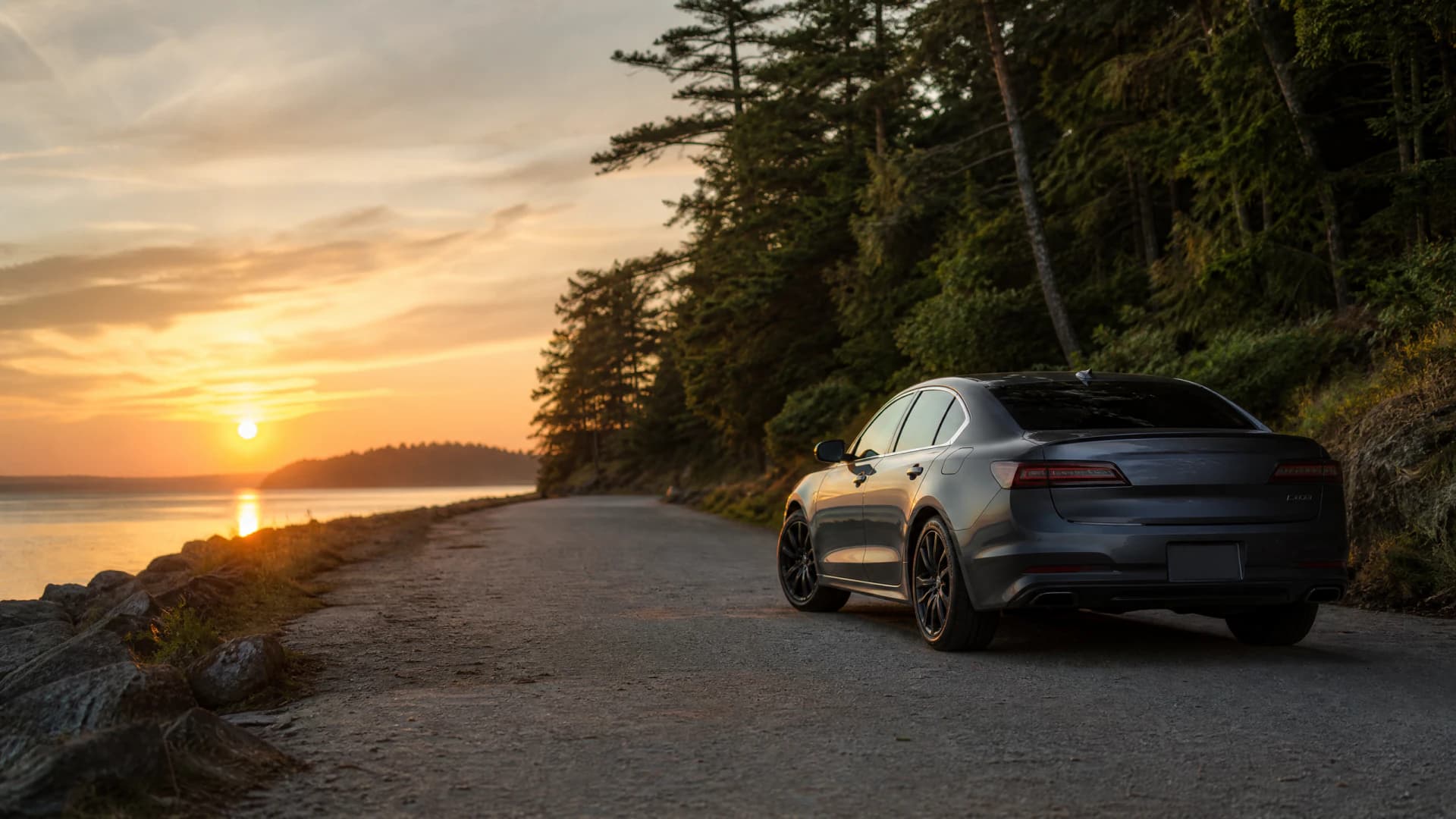
State Farm's multi-car discount does not apply when household vehicles sit on separate policies, even if both policies are with State Farm.
Related Articles




Combining Two Policies After Marriage or a Move
When two people with separate State Farm policies marry or move in together, combining the policies into one usually lowers the total premium. Each person's original policy loses the multi-car discount if they owned multiple vehicles individually. The combined policy applies the discount to every vehicle and often qualifies for additional household discounts.
State Farm requires both policyholders to live at the same address to combine policies. If one person keeps a separate garaging address, the policies remain separate, and neither qualifies for the multi-car discount across both households' vehicles. The same-address requirement is strict.
To combine policies, contact State Farm and request a consolidation. The carrier cancels one policy, transfers all vehicles and drivers to the remaining policy, re-rates the combined household, and applies the multi-car discount to every vehicle. The process takes one business day, and you receive a new declaration page listing all drivers and vehicles.
3 years
Nebraska SR-22 Filing Period
Nebraska requires SR-22 filing for three years after a DUI conviction, measured from the conviction date. State Farm files SR-22 certificates electronically with the Nebraska DMV and maintains the filing for the full three-year period.
Nebraska DMV

State Farm SR-22 Filing in Nebraska
State Farm files SR-22 certificates in Nebraska. If you need SR-22 filing due to a DUI, accumulation of points, or a no-proof-of-insurance violation, State Farm submits the certificate electronically to the Nebraska DMV. The filing remains active for three years. If you cancel your State Farm policy before the three-year period ends, State Farm notifies the DMV, and your license suspends again until you file a new SR-22 with another carrier.
SR-22 filing does not change the multi-car discount structure. If you own two vehicles and need SR-22 filing on one, State Farm files the certificate and applies the multi-car discount to both vehicles as long as both sit on the same policy. The filing requirement follows the driver, not the vehicle, so the certificate covers you regardless of which household car you drive.
What Happens When You Add a Teen Driver
Adding a teen driver to your State Farm policy re-rates the entire policy. The teen's age, driving record, and vehicle assignment all affect the premium. If the teen drives their own car, that car must sit on your State Farm policy to qualify for the multi-car discount. If the teen shares a household vehicle, State Farm assigns them as a listed driver on that vehicle, and the premium adjusts accordingly.
Nebraska's Graduated Driver Licensing program requires teen drivers to hold a learner's permit for six months and complete 50 hours of supervised driving before receiving an intermediate license. State Farm requires you to add the teen to your policy as soon as they receive their learner's permit. The carrier rates the teen as a listed driver from that point forward, even if they do not drive independently yet.

Compare State Farm Against Other Nebraska Carriers
State Farm is one of 21 carriers writing auto insurance in Nebraska. Other carriers that write multi-vehicle policies in the state include Geico, Progressive, Allstate, Farmers, Nationwide, American Family, and USAA. Each carrier structures its multi-car discount differently. Some apply the discount only when vehicles share a garaging address; others allow separate garaging addresses as long as all vehicles sit on one policy.
To find the best rate for your household, request quotes from at least three carriers. Provide the same coverage limits, deductibles, and driver information to each. Compare the total premium for all vehicles combined, not the per-vehicle rate. A carrier with a higher per-vehicle rate but a larger multi-car discount often beats a carrier with a lower per-vehicle rate and a smaller discount. Nebraska's minimum liability requirements and uninsured-motorist mandate apply regardless of which carrier you choose, so focus your comparison on the total cost of meeting those requirements across all your vehicles.
Adding a Vehicle to Your State Farm Policy
Most carriers, including State Farm, provide a 14- to 30-day grace period for newly acquired vehicles. During this window, your existing policy's liability and physical-damage coverages extend to the new car at the same limits you carry on your other vehicles. After the grace period expires, an unreported vehicle loses coverage. If you file a claim on an unreported car after the grace period, the carrier can deny it.
To add the vehicle, contact State Farm directly or log into your account online. Provide the VIN, purchase date, and garaging address. State Farm re-rates the policy immediately and applies the multi-car discount to the new vehicle and all existing vehicles on the policy. The premium adjusts, and you receive a revised declaration page showing all vehicles covered.
Get Your Free Quote
Get My Nebraska Car Insurance QuoteFrequently Asked Questions
Does State Farm offer a discount for insuring multiple cars in Nebraska?
Yes. State Farm offers a multi-car discount in Nebraska when every household vehicle sits on the same State Farm policy. The discount applies to each vehicle on the policy. If you split vehicles across separate policies or mix State Farm with another carrier, the discount does not apply.
Can I add a second car to my State Farm policy mid-term in Nebraska?
Yes. State Farm allows you to add a vehicle to your policy at any time. Your existing coverage extends to the new car for 14 to 30 days automatically. Contact State Farm within that window to report the vehicle, and the carrier re-rates your policy and applies the multi-car discount to all vehicles.
Does State Farm file SR-22 certificates in Nebraska?
Yes. State Farm files SR-22 certificates electronically with the Nebraska DMV. The filing remains active for three years. If you cancel your State Farm policy before the three-year period ends, State Farm notifies the DMV, and your license suspends until you file a new SR-22 with another carrier.
What happens to my State Farm multi-car discount if I move one vehicle to another carrier?
You lose the multi-car discount on all vehicles. State Farm's discount requires every household vehicle to sit on the same State Farm policy. If you move one vehicle to another carrier, the remaining vehicles on your State Farm policy no longer qualify for the discount.
Can I combine two State Farm policies after marriage in Nebraska?
Yes, if both policyholders live at the same address. State Farm cancels one policy, transfers all vehicles and drivers to the remaining policy, and applies the multi-car discount to every vehicle. The combined policy usually costs less than two separate policies.
Does State Farm require all household vehicles to be garaged at the same address for the multi-car discount?
Typically yes. State Farm requires all vehicles on the policy to share a garaging address to qualify for the multi-car discount. If one vehicle is garaged at a different address, contact State Farm to confirm whether the discount applies.