
Multi-Car Coverage Needs — Nebraska
Free to compare
The Multi-Car Coverage Question
You added a second or third vehicle to your Nebraska policy and now you're looking at coverage options for each car. The carrier quoted you liability, collision, and comprehensive for every vehicle, but you're not sure whether all three cars need the same coverage or whether you can structure them differently. The state requires $25,000 per person and $50,000 per accident in bodily injury liability, plus $25,000 in property damage liability, but that's the floor — it doesn't tell you how to handle collision and comprehensive across multiple vehicles, or whether your newer car needs more liability than your older one.
The structural reality: Nebraska's minimum applies to every vehicle on your policy, but collision and comprehensive are optional and can be tailored vehicle-by-vehicle. The multi-car discount lowers your total premium when every vehicle sits on the same policy, but the coverage you select for one car does not have to match the others. Most households structure coverage unevenly — higher limits and full physical damage on the newest vehicle, liability-only on the oldest — and that's not just acceptable, it's often the most cost-effective path.
“Liability limits apply per vehicle, not per policy — you can raise limits on your newest car without changing coverage on the others.”

Compare Nebraska Car Insurance Quotes Today
Get My Nebraska Car Insurance Quote$25,000 / $50,000 / $25,000
Nebraska Minimum Liability
Every vehicle on your policy must carry at least $25,000 bodily injury per person, $50,000 per accident, and $25,000 property damage. This is the state floor; you can raise limits on any vehicle independently.
Nebraska DMV
What the State Requires Across All Vehicles
Nebraska law requires every registered vehicle to carry liability insurance meeting the state minimum. When you insure multiple vehicles on one policy, each car must meet that $25,000/$50,000/$25,000 floor independently. The state does not allow you to pool liability across vehicles or carry the minimum on one car and skip it on another. Every vehicle listed on the policy carries its own liability coverage, and the limits you choose apply per-vehicle, not per-policy.
Uninsured motorist coverage is mandatory in Nebraska. Your policy must include uninsured and underinsured motorist coverage at limits matching your liability selection unless you reject it in writing. This requirement applies to every vehicle on the policy.
Personal injury protection is not required in Nebraska. Collision and comprehensive are optional. These are the coverage types you structure vehicle-by-vehicle based on the car's value, your deductible tolerance, and whether you're financing the vehicle. A lender will require collision and comprehensive until the loan is paid off; once you own the car outright, you decide whether the premium justifies the coverage.
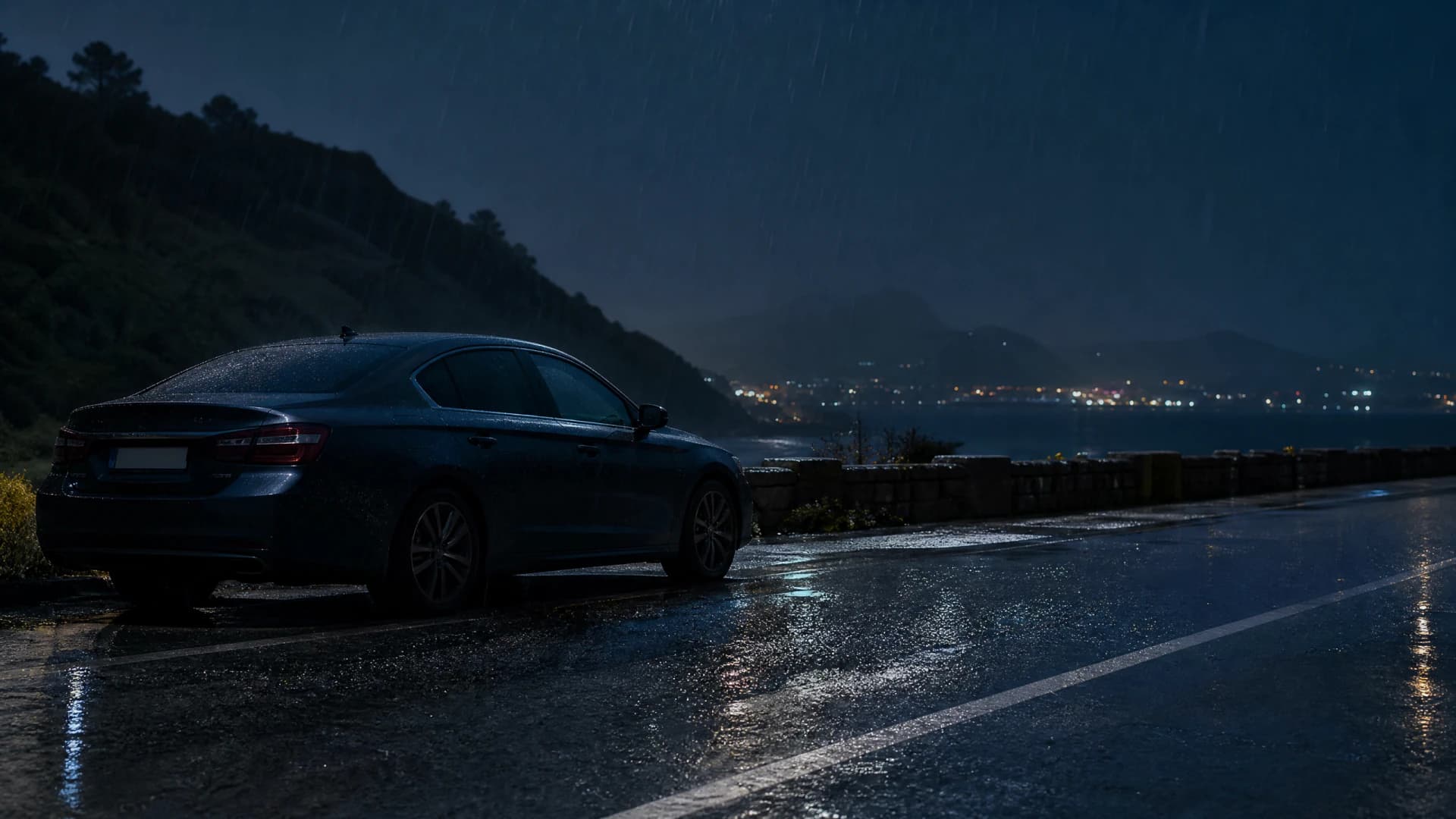
The state minimum applies to every vehicle, but collision and comprehensive do not. You can carry full coverage on your newest car and liability-only on your oldest, all on the same policy.
Related Articles

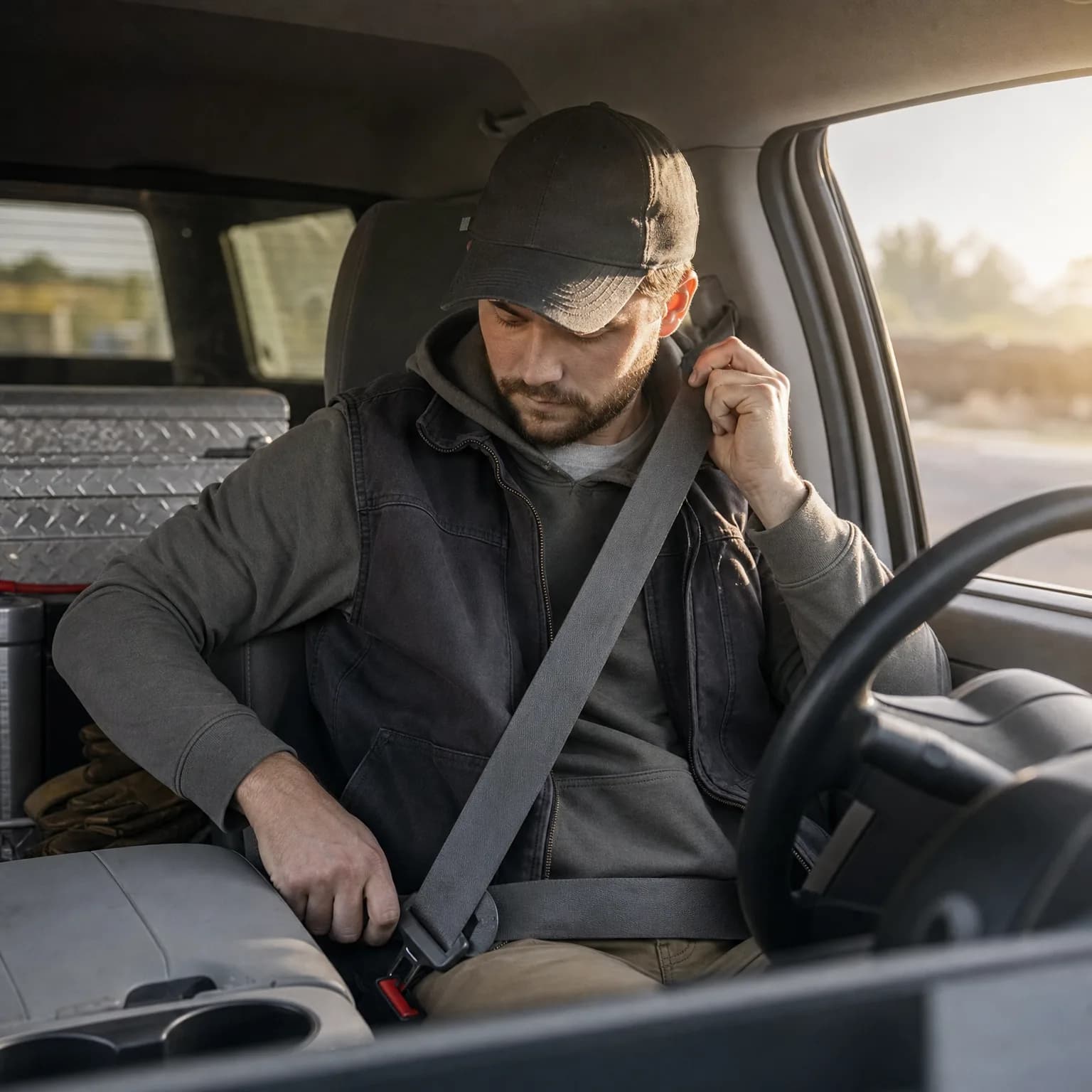

When to Drop Collision on Older Vehicles
Collision coverage pays to repair or replace your vehicle after an accident, minus your deductible. When the car's actual cash value drops below the threshold where a total-loss payout would exceed what you've paid in premiums and deductibles over two or three years, collision stops making financial sense. Drop collision and bank the premium savings.
Comprehensive is cheaper and covers different risks. Even on an older vehicle, comprehensive protects against theft, hail, flood, fire, and animal collisions — events that can total a car regardless of its age.
The decision resets when you add or replace a vehicle. A newly-purchased car starts the coverage cycle over: if you're financing, the lender mandates full coverage; if you're paying cash, you decide based on the vehicle's value and your savings cushion. The other vehicles on your policy stay at their current coverage levels unless you choose to adjust them. Adding a third car does not require you to restructure the first two.
9.5%
Nebraska Uninsured Motorist Rate
Nearly one in ten Nebraska drivers carries no insurance. Uninsured motorist coverage is mandatory in Nebraska and protects you when an at-fault driver cannot pay for the damage they cause.
Insurance Information Institute, 2023
Raising Liability Limits Without Raising Them Everywhere
Liability limits apply per vehicle, not per policy. This matters when one vehicle is driven by a higher-risk household member — a teen driver or someone with a recent ticket — and you want to keep that car's premium lower by leaving it at the state minimum while raising limits on the vehicles driven by experienced drivers.
The protection gap is enormous: Nebraska's minimum covers $25,000 per person in a multi-victim accident, and medical bills from a serious crash routinely exceed that in the first day. Raising limits on your primary vehicle — the one you or your spouse drives daily — is the highest-value coverage decision after meeting the state minimum.
Compare Carriers That Write Multi-Vehicle Policies in Nebraska
Not every carrier prices multi-car policies the same way. Some apply the multi-vehicle discount as a flat percentage off the total premium; others reduce the per-vehicle base rate and then apply discounts. A smaller discount on a lower base rate can beat a larger discount on a higher one, and the only way to know is to compare quotes with your actual vehicle count and coverage selections entered identically across carriers.
Nebraska's carrier roster includes State Farm, Progressive, GEICO, Allstate, Farmers, Nationwide, and others that write multi-vehicle policies. Enter every vehicle you insure, the coverage levels you want on each, and the drivers in your household. The quote you receive reflects your multi-car discount, your household's driving history, and the specific coverage structure you selected.
Structuring Coverage Across Multiple Vehicles
Start with the newest or highest-value vehicle. If you're financing, the lender requires collision and comprehensive with a deductible cap, typically $500 or $1,000. Even if you own the car outright, full coverage makes sense when the vehicle's value exceeds the annual premium by a comfortable margin.
Move to the middle-value vehicle. If it's paid off and worth less than ten times the annual collision premium, consider dropping collision and keeping comprehensive. Comprehensive covers theft, weather, and animal strikes — risks that don't disappear when a car ages — and costs less than collision. Keep liability at the state minimum or raise it to match your primary vehicle, depending on how you use the car. If this vehicle is driven daily by a household member, match the liability limits. If it's a backup car driven occasionally, the state minimum may suffice.
Get Your Free Quote
Get My Nebraska Car Insurance QuoteFrequently Asked Questions
Do all vehicles on a Nebraska multi-car policy need the same coverage?
No. Every vehicle must meet Nebraska's $25,000/$50,000/$25,000 liability minimum, but you can structure collision, comprehensive, and higher liability limits differently across vehicles. Most households carry full coverage on newer cars and liability-only on older ones.
Can I drop collision on one vehicle and keep it on another?
Yes. Collision is optional in Nebraska once a vehicle is paid off. You can drop collision on an older vehicle while keeping it on a newer one, all on the same policy. The multi-car discount applies to the total policy regardless of coverage differences.
Does raising liability limits on one car raise them on all vehicles?
No. Liability limits apply per vehicle.
Is uninsured motorist coverage required in Nebraska for every vehicle?
Yes. Nebraska requires uninsured and underinsured motorist coverage on every vehicle at limits matching your liability selection unless you reject it in writing. The requirement applies to each vehicle on a multi-car policy independently.
How does the multi-car discount work when vehicles have different coverage?
The multi-car discount applies to the total policy premium, not to individual vehicles. Structuring coverage differently across vehicles does not reduce or eliminate the discount. You receive the multi-vehicle rate as long as every vehicle sits on the same policy.
When should I keep comprehensive but drop collision on an older vehicle?
Keep comprehensive when the vehicle's value exceeds ten times the annual premium and you want protection against theft, weather, and animal strikes. Drop collision when the car's value falls below the threshold where a total-loss payout would not recover two years of premiums and deductibles.