
Minimum Coverage vs Full Coverage — Nebraska
Free to compare
The Multi-Vehicle Minimum Coverage Question
You're insuring two, three, or four vehicles on one Nebraska policy and you're comparing the state's minimum liability limits against full coverage. The decision feels straightforward until you realize that one at-fault accident involving any vehicle on your policy triggers the same liability limits that cover all of them. Nebraska's minimum — $25,000 per person for bodily injury, $50,000 per accident, and $25,000 for property damage — doesn't scale with the number of vehicles you own.
This article walks through how minimum coverage works when multiple vehicles share one policy, what full coverage adds, and how to structure coverage across your household's cars without overpaying or leaving gaps that one claim exposes.
“Nebraska's liability limits are shared across every vehicle on your policy — one at-fault claim can exhaust them all.”

Compare Nebraska Car Insurance Quotes Today
Get My Nebraska Car Insurance Quote$25,000 / $50,000 / $25,000
Nebraska Minimum Liability Limits
Nebraska law requires at minimum $25,000 bodily injury per person, $50,000 bodily injury per accident, and $25,000 property damage. These limits apply per policy, not per vehicle — one at-fault claim can exhaust them regardless of how many cars you insure.
Nebraska DMV
How Minimum Liability Works Across Multiple Vehicles
Minimum liability coverage in Nebraska is a per-policy limit, not a per-vehicle limit. When you add a second or third car to your policy, you do not get a second or third set of liability limits. The $25,000 per person and $50,000 per accident bodily injury limits, and the $25,000 property damage limit, are shared across every vehicle on the policy.
If your teenager driving one of your household's cars causes an accident that injures two people, your policy pays up to $25,000 for each injured person and $50,000 total for all bodily injuries in that accident. The other two vehicles on your policy do not carry separate limits. The same $50,000 total applies whether you insure one car or four.
This structure creates exposure for multi-vehicle households. A single at-fault claim involving one of your cars can consume the entire liability limit, leaving no additional protection for the other vehicles on the policy. The more vehicles you insure, the more opportunities for a claim to exhaust those shared limits.
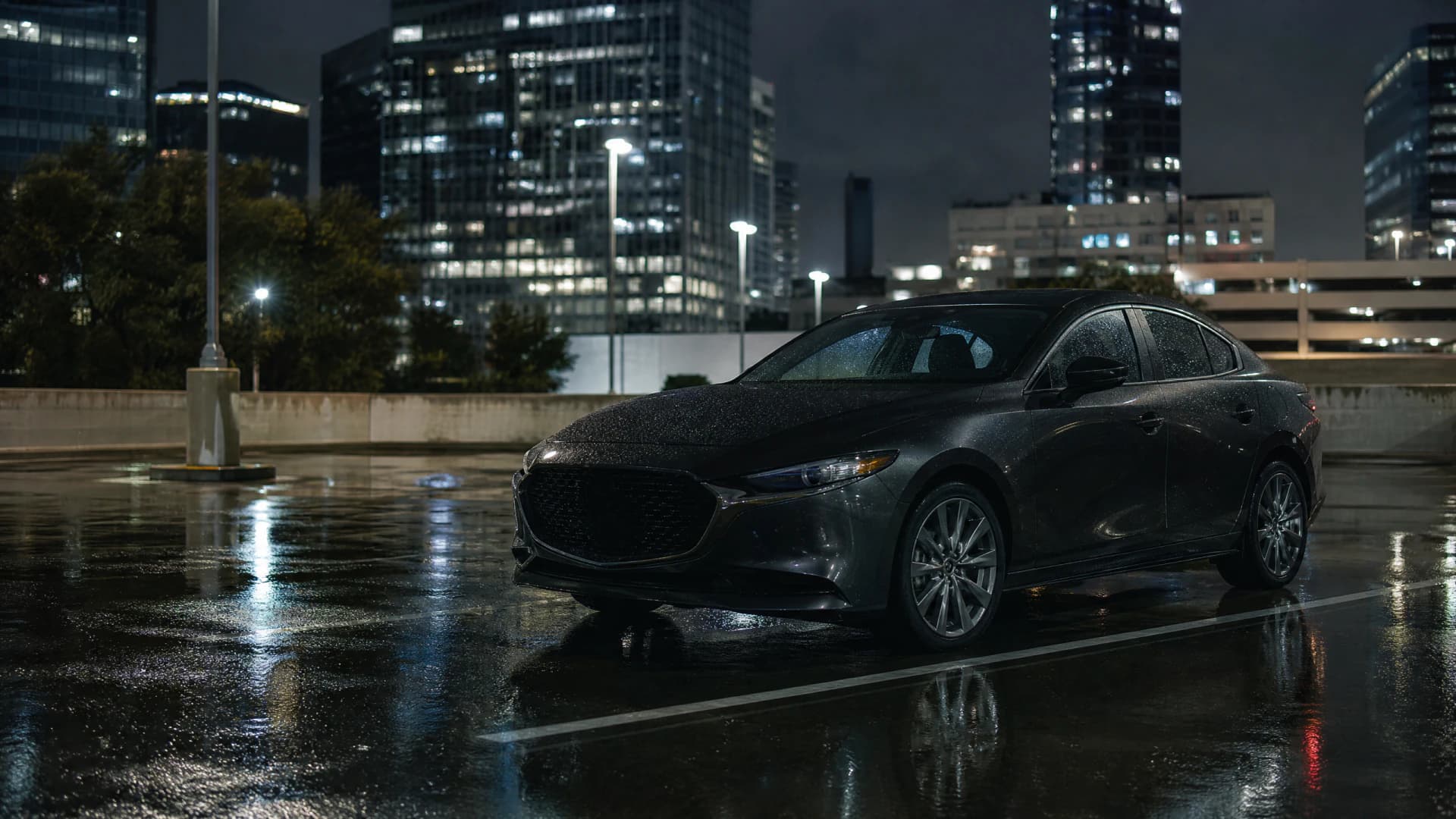
One at-fault accident involving any vehicle on your policy can exhaust Nebraska's minimum liability limits for all vehicles you insure.
Related Articles


Structuring Coverage Across Your Household's Vehicles
Most multi-vehicle households in Nebraska structure coverage in tiers. The primary driver's newer vehicle carries full coverage with a moderate deductible. A second vehicle driven less frequently may carry liability only, or liability plus comprehensive without collision if theft or weather is a concern but accident risk is low. A third or fourth vehicle used occasionally may carry minimum liability only.
The liability limits, however, apply to the entire policy. Raising liability limits costs less than adding collision and comprehensive to every vehicle, and it addresses the shared-limit exposure that minimum coverage creates.
Nebraska requires uninsured motorist coverage, which pays when an at-fault driver has no insurance or insufficient limits. That coverage also applies per policy, not per vehicle. If you raise your liability limits, consider matching your uninsured motorist limits so you are protected at the same level whether the other driver has insurance or not.
9.5%
Nebraska Uninsured Motorist Rate
Nearly one in ten Nebraska drivers operates without insurance. Uninsured motorist coverage is mandatory in Nebraska and pays when an at-fault driver cannot. For multi-vehicle households, this coverage applies across all cars on the policy.
Insurance Research Council, 2023

When Minimum Coverage Leaves Multi-Vehicle Households Exposed
A household insuring three vehicles on minimum liability faces a specific failure mode. One at-fault accident involving any of those vehicles can result in bodily injury or property damage claims that exceed $50,000 or $25,000. Medical bills from a two-car accident with injuries can reach six figures quickly. Property damage to a newer vehicle can exceed $25,000 when the vehicle is totaled.
When your liability limits are exhausted, you pay the excess out of pocket. That liability follows you personally, not the vehicle. If the at-fault vehicle was your teenager's car but the claim exceeds your policy limits, the injured party can pursue your assets — your home, your savings, your wages — to cover the difference. The more vehicles you insure, the more drivers operate under your policy, and the higher the chance that one of them causes a claim that exceeds minimum limits.
Compare Carriers and Coverage Levels for Your Household
Nebraska has 22 carriers writing auto insurance in the state, and premium varies significantly by carrier for the same coverage. When you insure multiple vehicles, small per-vehicle differences compound.
Request quotes that show liability-only, liability plus comprehensive, and full coverage for each vehicle. Compare the cost of adding collision to one vehicle versus all vehicles. The goal is not the lowest premium — it is the coverage structure that protects your household without paying for coverage a vehicle does not need. Use the comparison tool to request quotes from carriers writing multi-vehicle policies in Nebraska and see how coverage levels affect your total premium.
What Full Coverage Adds to a Multi-Vehicle Policy
Collision coverage pays to repair or replace your vehicle after an accident you cause or a single-vehicle crash, minus your deductible. Comprehensive covers theft, vandalism, weather damage, and animal strikes. Both are per-vehicle coverages — you choose a deductible for each car separately. If you carry a $500 deductible on one vehicle and a $1,000 deductible on another, each vehicle's coverage operates independently.
For multi-vehicle households, full coverage on every car is not always necessary. A newer financed vehicle typically requires collision and comprehensive as a loan condition. An older paid-off car with a value under a few thousand dollars may not justify the premium for physical-damage coverage. The key decision is whether the vehicle's value supports paying for coverage that, after the deductible, may not return much more than the car is worth.
Get Your Free Quote
Get My Nebraska Car Insurance QuoteFrequently Asked Questions
Does adding a second car to my Nebraska policy double my liability coverage?
No. Nebraska liability limits apply per policy, not per vehicle. Adding a second or third car does not increase your bodily injury or property damage limits. One at-fault accident involving any vehicle on your policy can exhaust the same $25,000/$50,000/$25,000 minimum limits regardless of how many cars you insure.
Can I carry full coverage on one vehicle and minimum coverage on another on the same Nebraska policy?
Yes. Collision and comprehensive are per-vehicle coverages. You can carry full coverage on a financed newer car and liability-only on an older paid-off vehicle, both on the same policy. Liability limits, however, apply to the entire policy and cover all vehicles equally.
What happens if one of my vehicles causes an at-fault accident that exceeds Nebraska's minimum liability limits?
You pay the excess out of pocket. If bodily injury or property damage claims exceed your $50,000 or $25,000 limits, the injured party can pursue your personal assets — home equity, savings, wages — to cover the difference. Minimum limits do not scale with the number of vehicles you insure.
Is uninsured motorist coverage required in Nebraska for multi-vehicle policies?
Yes. Nebraska requires uninsured motorist coverage on every auto policy. It pays when an at-fault driver has no insurance or insufficient limits. For multi-vehicle households, this coverage applies per policy, not per vehicle, and protects you regardless of which car is involved in the accident.
How much does it cost to raise liability limits above Nebraska's minimum on a multi-vehicle policy?
Premium varies by carrier, driving history, and location. Request quotes from multiple carriers to compare the incremental cost for your household.