
Multi-Car Discount Mechanics — Nebraska
Free to compare
When Adding a Car Raises Your Premium More Than Expected
The agent mentioned a multi-car discount, but the math does not feel like a discount at all. You expected the second vehicle to cost less than the first because of the discount — instead, your total bill nearly doubled.
The structural reality: the multi-car discount reduces the per-vehicle base rate on every car on your policy, but it does not reduce the total cost of insuring an additional vehicle below what that vehicle would cost on its own. The discount makes each car cheaper than it would be on a separate policy, but adding a car still adds most of that car's standalone premium to your household bill.
“The multi-car discount reduces per-vehicle rates, but adding a car still adds most of that car's standalone premium to your household bill.”

Compare Nebraska Car Insurance Quotes Today
Get My Nebraska Car Insurance Quote$82/mo
Nebraska Average Single-Vehicle Premium
This benchmark reflects the average monthly expenditure per insured vehicle in Nebraska. Adding a second vehicle to your policy applies the multi-car discount to both vehicles, lowering each car's individual rate, but the combined premium will exceed this single-vehicle figure.
NAIC Auto Insurance Database Report 2023
How the Multi-Car Discount Actually Calculates
The multi-car discount is a percentage reduction applied to the base rate of each vehicle on your policy. Most Nebraska carriers apply the discount to every vehicle once two or more cars sit on the same policy and share the same garaging address. The discount does not cap the total premium increase when you add a vehicle — it reduces the per-vehicle rate, then the carrier prices the second vehicle's coverage at that reduced rate and adds it to your bill.
Here is the mechanism: your first car carries a base rate, collision and comprehensive premiums, liability coverage, and any endorsements you selected. When you add a second car, the carrier recalculates both vehicles at the discounted per-vehicle rate, then adds the second car's collision, comprehensive, liability, and endorsements on top. The discount lowers what each car costs individually, but the second car still brings its own full coverage stack to the policy.
The result: your total premium rises by most of the second vehicle's standalone cost, minus the small per-vehicle discount applied to both cars.
The discount saves money compared to insuring each car on a separate policy, but it does not make the second car cheap. Households expecting the discount to cut the added vehicle's cost in half misread how the math works.
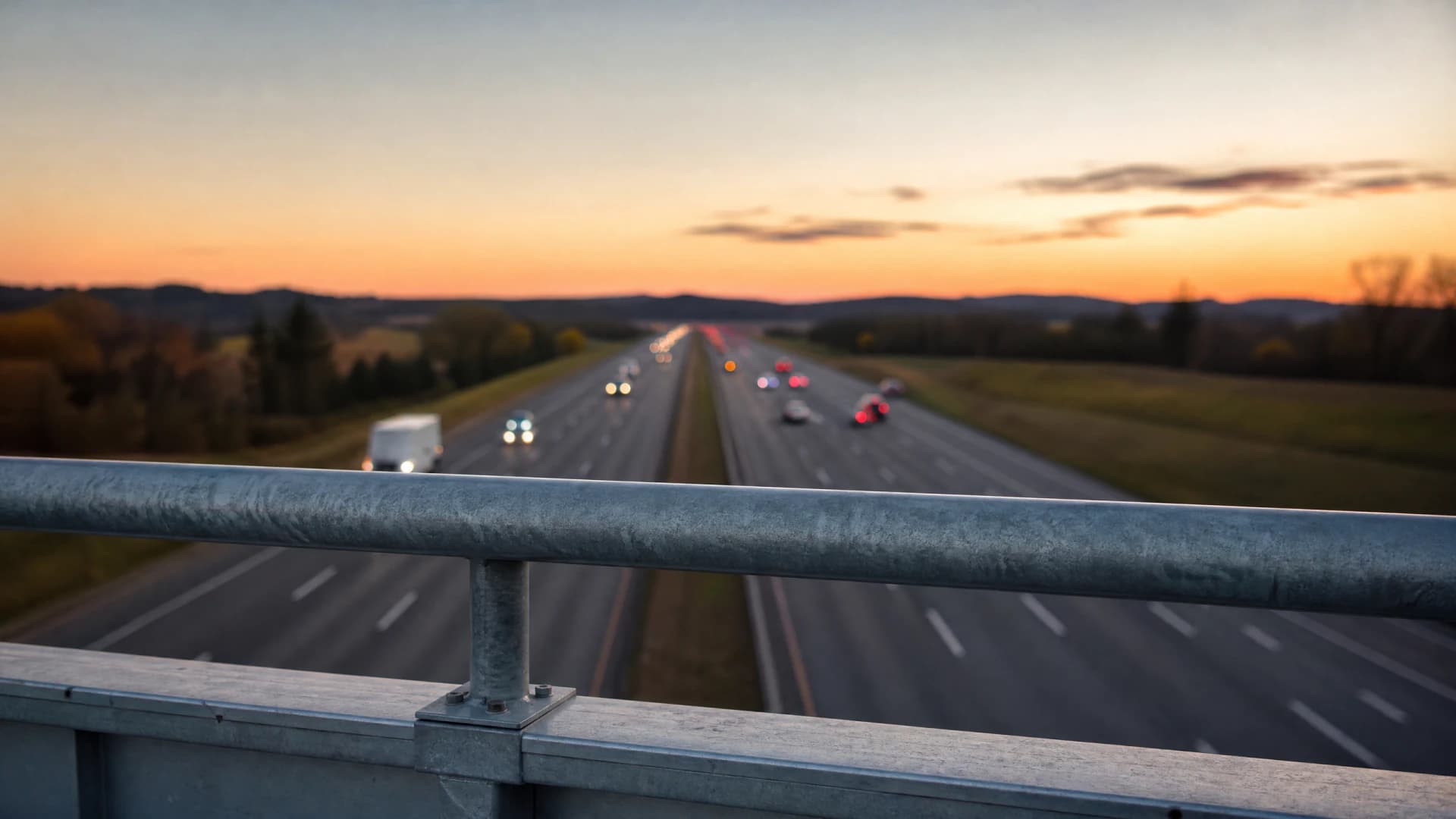
The multi-car discount reduces per-vehicle rates on every car, but adding a vehicle still adds most of that vehicle's full coverage cost to your household premium.


Same-Policy Requirement and Garaging Address Rules
Nebraska carriers require every vehicle receiving the multi-car discount to sit on the same policy. A car titled to a household member on a different policy does not count toward the discount, even if both policies cover drivers at the same address. Married couples, parents adding a teen's car, and roommates sharing a household all face this rule: the vehicles must consolidate onto one policy for the discount to apply.
Most carriers also require the vehicles to share the same garaging address. A car garaged at a different address — a college student's car parked out of state, a work vehicle kept at a job site, or a second home's vehicle — may not qualify for the same-policy discount even if it appears on your policy. Confirm garaging address rules with your carrier before adding a vehicle you do not park at your primary residence.
Combining two separate policies after marriage or a household move triggers a full re-rate. The carrier prices both vehicles at the multi-car discounted rate, but also re-evaluates every driver, every vehicle, and every coverage selection across the combined household. The combined premium usually falls below the sum of the two separate policies, but not always — if one spouse carries a high-risk driving record or a vehicle with expensive collision coverage, the combined rate can rise.
25/50/25
Nebraska Minimum Liability Limits
Nebraska requires $25,000 bodily injury per person, $50,000 per accident, and $25,000 property damage. Every vehicle on your multi-car policy must meet these minimums. Raising liability limits on one vehicle raises that vehicle's premium independently; the multi-car discount applies to the base rate, not to coverage-tier upgrades.
Nebraska DMV
Comparing Carriers That Write Multi-Vehicle Policies in Nebraska
Not every carrier structures the multi-car discount the same way. Some apply a flat percentage to every vehicle once two or more cars join the policy; others tier the discount so the third and fourth vehicles receive a larger reduction than the second. A few carriers cap the discount at a maximum number of vehicles, while others extend it across the entire household fleet. The size of the discount and how it scales across vehicles varies by carrier.
Nebraska households insuring two or more vehicles should compare quotes from carriers that explicitly write multi-car policies and disclose how the discount applies. State Farm, Geico, Progressive, Allstate, Farmers, and USAA all write multi-vehicle policies in Nebraska and offer multi-car discounts, but the discount percentage and the way it stacks with other discounts — bundling home and auto, safe-driver discounts, vehicle safety features — differs by carrier. A smaller discount on a lower base rate can produce a better combined premium than a larger discount on a higher starting rate.
When Separate Policies Cost Less Than One Combined Policy
A combined multi-car policy does not always save money. Households where one driver carries a high-risk record — a DUI, multiple at-fault accidents, or a suspended license — may pay less by splitting that driver and their vehicle onto a separate non-standard policy and keeping the other household vehicles on a standard policy. The multi-car discount on the standard policy disappears, but the high-risk driver's rate does not pull the entire household into a higher-risk tier.
Similarly, a rarely-driven vehicle — a classic car, a seasonal motorcycle, or a car driven fewer than 3,000 miles a year — may cost less on a separate limited-use or collector policy than as a full-coverage vehicle on the household's primary policy. The multi-car discount applies only to active-use vehicles; adding a rarely-driven car to your everyday policy prices it as a regular vehicle and raises your premium accordingly. Compare the cost of insuring the low-mileage vehicle separately before adding it to your multi-car policy.

Compare Multi-Car Quotes Across Nebraska Carriers
The next step: request quotes from at least three carriers that write multi-vehicle policies in Nebraska, provide identical coverage selections and garaging addresses for every vehicle, and compare the combined premium and the per-vehicle breakdown. Ask each carrier how the multi-car discount applies — whether it scales with the number of vehicles, whether it stacks with bundling or safe-driver discounts, and whether adding a vehicle mid-term applies the discount immediately or only at renewal. The carrier that offers the lowest combined premium for your household's specific vehicle mix and driver profile wins, not the carrier advertising the largest discount percentage.
What Drives the Added-Vehicle Premium Jump
The second vehicle's coverage selections drive most of the added cost. If you carry collision and comprehensive on the new car, those coverages price independently based on the vehicle's value, age, theft risk, and repair cost. A newer car with full coverage adds more to your premium than an older car with liability only. The multi-car discount applies to the base rate, but collision and comprehensive premiums calculate separately and stack on top.
Your carrier re-rates the entire policy when you add a vehicle mid-term. Some carriers apply the multi-car discount retroactively to your first vehicle and prorate the adjustment across the remaining term; others apply the discount only to the newly-added vehicle until renewal. The timing of when you add the car — early in your term versus close to renewal — changes how the discount phases in and how much your next bill jumps.
Get Your Free Quote
Get My Nebraska Car Insurance QuoteFrequently Asked Questions
Does the multi-car discount apply automatically when I add a second vehicle in Nebraska?
Most Nebraska carriers apply the multi-car discount automatically once two or more vehicles sit on the same policy and share the same garaging address. The discount reduces the per-vehicle base rate for every car on the policy, but you must confirm with your carrier that both vehicles meet the same-policy and same-address requirements for the discount to apply.
How much does the multi-car discount save on a Nebraska auto policy?
The multi-car discount lowers the per-vehicle base rate, but the exact percentage varies by carrier. The discount reduces what each car costs individually compared to insuring it on a separate policy, but adding a second vehicle still raises your total premium by most of that vehicle's standalone coverage cost.
Can I get the multi-car discount if my spouse has a separate policy in Nebraska?
No. Nebraska carriers require every vehicle receiving the multi-car discount to sit on the same policy. A car titled to a household member on a different policy does not count toward the discount, even if both policies cover drivers at the same address. You must combine the policies for the discount to apply.
Does adding a third car to my Nebraska policy increase the multi-car discount?
Some Nebraska carriers tier the multi-car discount so the third and fourth vehicles receive a larger percentage reduction than the second vehicle. Other carriers apply a flat discount to every vehicle once two or more cars join the policy. Ask your carrier whether the discount scales with the number of vehicles on your policy.
What happens to my multi-car discount if I remove a vehicle from my Nebraska policy?
Removing a vehicle from a multi-car policy triggers a re-rate. If you drop from three vehicles to two, the multi-car discount still applies to the remaining two vehicles. If you drop from two vehicles to one, the discount disappears and your premium recalculates at the single-vehicle rate. Confirm the new rate with your carrier before removing a vehicle.
Can I insure a car garaged at a different address under my Nebraska multi-car policy?
Most Nebraska carriers require every vehicle on a multi-car policy to share the same garaging address for the discount to apply. A car garaged at a different address may not qualify for the discount even if it appears on your policy. Confirm garaging address rules with your carrier before adding a vehicle parked elsewhere.