
Multi-Car Insurance Cost — Nebraska
Free to compare
Why Adding a Car Changed Your Premium More Than Expected
You added a second car to your Nebraska policy and the premium increase was larger than the cost of insuring just that vehicle alone. The confusion is structural: adding a vehicle mid-term re-rates the entire policy, not just the new car. Every vehicle on the policy is re-evaluated together — your driving record, the garaging address, the combined liability exposure — and the premium reflects the household's total risk profile.
The multi-car discount does lower the per-vehicle cost when you insure two or more cars on one policy. But the discount applies to the combined premium after re-rating, and the combined premium can still be higher than you expected if the new vehicle changes the household's risk category or if the policy term resets. Understanding how Nebraska carriers calculate multi-vehicle premiums helps you structure coverage without surprises.
“Adding a vehicle mid-term re-rates your entire policy — the increase reflects the household's total risk profile, not just the new car.”

Compare Nebraska Car Insurance Quotes Today
Get My Nebraska Car Insurance Quote$975.01
Nebraska Average Annual Auto Expenditure
Nebraska drivers paid an average of $975.01 per insured vehicle annually in 2023, according to NAIC data. Multi-car policies typically lower the per-vehicle cost through the multi-car discount, but the combined household premium depends on every vehicle's risk profile and the coverage levels you select.
NAIC Auto Insurance Database Report 2023
How the Multi-Car Discount Actually Works in Nebraska
The multi-car discount requires every vehicle to sit on the same policy. If you own three cars but one is titled to a household member on a separate policy, that vehicle does not count toward the multi-car discount on your policy. The discount applies when all vehicles share one policy and typically share the same garaging address.
Carriers calculate the discount differently. Some apply a percentage reduction to each vehicle's premium after the base rate is set. Others lower the base rate for the household and then add each vehicle at the reduced rate. A smaller discount on a lower base rate can produce a lower combined premium than a larger discount on a higher base rate. This is why comparing carriers matters when you insure multiple vehicles.
Adding a vehicle mid-term triggers re-rating. The carrier recalculates the premium for every vehicle on the policy, applies the multi-car discount to the new combined total, and adjusts your payment. The increase you see is not just the cost of the new car — it is the new household premium minus the old household premium. If the new vehicle is higher-risk or if your driving record changed since the last term, the re-rating can produce a larger increase than you expected.
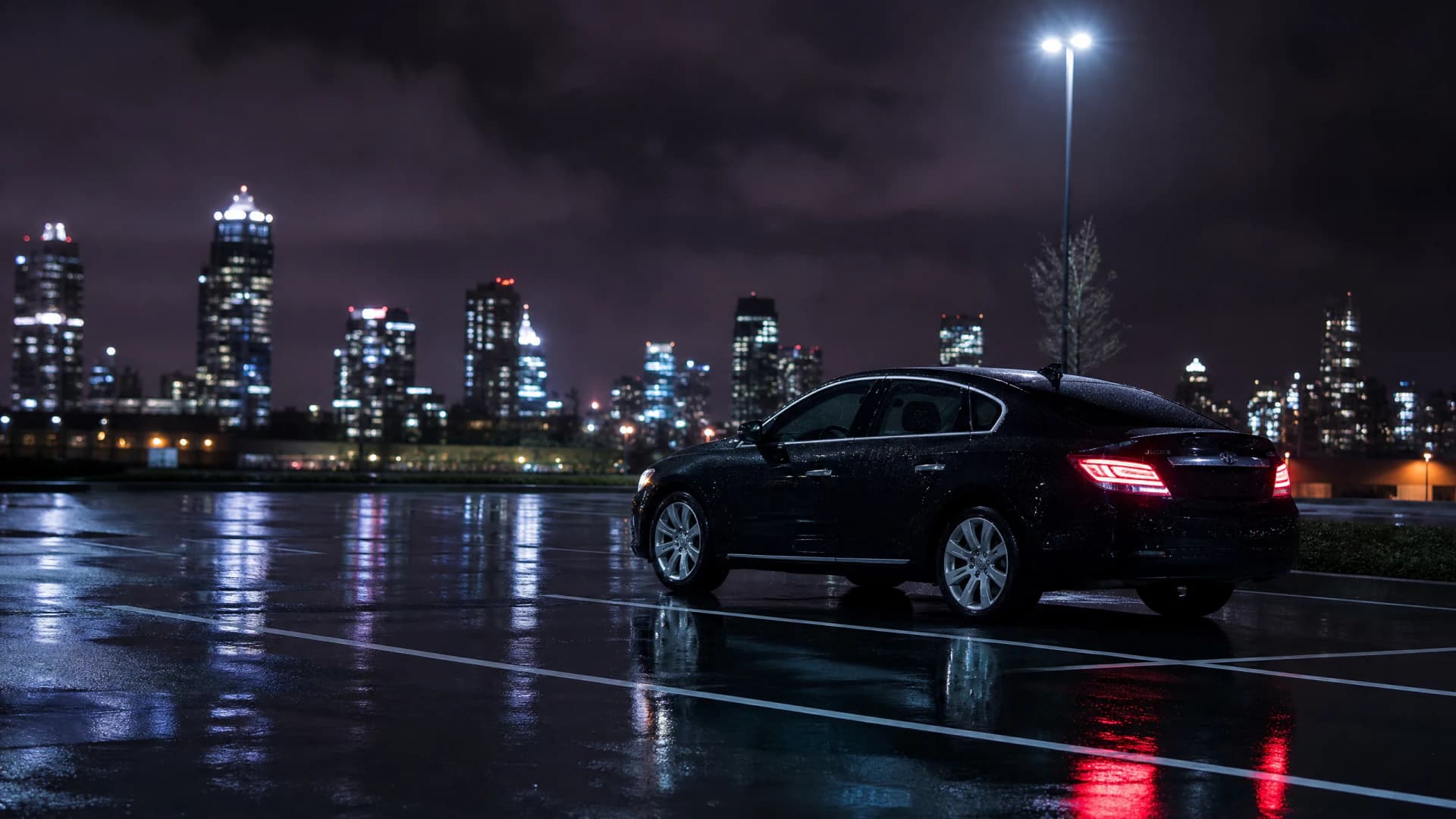
Adding a vehicle mid-term re-rates your entire policy. The premium increase reflects the household's total risk profile after re-rating, not just the cost of the new car.




Driving Record and Household Composition
Every driver in the household affects the premium. Nebraska carriers rate the policy based on the driving records of all household members who have access to the vehicles. If you add a vehicle and a new driver — a teenager getting their license, a spouse moving in with their own car — the carrier re-rates the policy to include that driver's risk profile. A clean record lowers the premium; a record with violations or at-fault accidents raises it.
Young drivers cost more to insure. Nebraska uses graduated licensing: learners permit at 15, intermediate license at 16 after six months and 50 supervised hours, full license at 18. Drivers under 25 pay higher premiums because they have higher accident rates. Adding a teen driver to a multi-car policy increases the household premium significantly, even with the multi-car discount. Some carriers offer good-student discounts or driver-training discounts that offset part of the increase.
Location within Nebraska matters. Urban counties with higher traffic density and theft rates produce higher premiums than rural counties. If you move and update your garaging address, the carrier re-rates the policy. A move from a rural area to Omaha or Lincoln can increase your premium even if nothing else changes. Carriers use ZIP-code-level data to assess risk, so the garaging address for each vehicle directly affects the combined premium.
9.5%
Nebraska Uninsured Motorist Rate
9.5% of Nebraska motorists drove uninsured in 2023. Uninsured motorist coverage is mandatory in Nebraska, protecting you when an at-fault driver has no insurance. The coverage applies to every vehicle on your policy, and the premium reflects the statewide uninsured rate.
Insurance Research Council, 2023

Comparing Carriers for Multi-Car Policies
Not every carrier writes multi-car policies the same way. Some specialize in households with multiple vehicles and offer deeper multi-car discounts. Others focus on single-vehicle policies and offer smaller discounts for additional cars. Comparing carriers specifically for your household's vehicle count and driver profile produces better results than assuming the carrier you used for one car will be competitive for three.
Nebraska has 21 major carriers writing auto insurance, including State Farm, Geico, Progressive, Allstate, Farmers, Nationwide, USAA, Liberty Mutual, and Travelers. Each carrier uses its own rating model. One carrier may rate your household lower because of the vehicles you drive; another may rate you lower because of your driving record or location. The only way to know which carrier offers the lowest combined premium for your specific household is to compare quotes with identical coverage levels across multiple carriers.
Structure Your Coverage and Compare
Start by confirming every vehicle you own is on one policy. If a household member has a separate policy, ask your carrier whether combining the policies lowers the total premium. Provide accurate information about every driver in the household, every vehicle's garaging address, and the coverage levels you want. Request quotes from at least three carriers that write multi-car policies in Nebraska. Compare the combined household premium, not just the per-vehicle cost, because the multi-car discount and the base rate vary by carrier. Choose the carrier that offers the coverage you need at the lowest combined premium for your household.
What Drives Cost Across Multiple Vehicles
Coverage levels set the baseline. Nebraska requires $25,000 per person and $50,000 per accident in bodily injury liability, plus $25,000 in property damage liability. Uninsured motorist coverage is mandatory. Minimum coverage meets the legal requirement but leaves you exposed if you cause a serious accident. Full coverage — liability plus collision and comprehensive on every vehicle — costs more but protects your assets and the vehicles themselves. Households with financed or leased vehicles must carry full coverage per the lender's requirement.
Vehicle characteristics matter. A newer car with advanced safety features may cost less to insure than an older car with a poor safety rating, even if the older car has a lower market value. Theft rates for specific makes and models affect comprehensive premiums. Repair costs for luxury or imported vehicles increase collision premiums. If you add a high-risk vehicle to a policy that previously covered only low-risk cars, the combined premium rises even with the multi-car discount applied.
Get Your Free Quote
Get My Nebraska Car Insurance QuoteFrequently Asked Questions
Does the multi-car discount apply automatically when I add a second vehicle?
The multi-car discount applies when you insure two or more vehicles on the same policy. Adding a second vehicle triggers re-rating of the entire policy, and the discount is applied to the new combined premium. The discount does not apply if the second vehicle is on a separate policy, even if both policies are with the same carrier.
Can I insure multiple cars on one policy if they are titled to different people?
Yes, as long as the vehicles are garaged at the same address and the titled owners are household members. Most Nebraska carriers allow spouses, domestic partners, and family members living together to insure their vehicles on one policy. A vehicle titled to someone outside the household typically requires a separate policy.
What happens to my premium if I remove a vehicle from a multi-car policy?
Removing a vehicle triggers re-rating. The carrier recalculates the premium for the remaining vehicles and adjusts the multi-car discount if you drop below the threshold for the discount tier. Your premium decreases, but the per-vehicle cost may increase if you lose a discount tier.
Do I need the same coverage levels on every vehicle on a multi-car policy?
No. You can select different coverage levels for each vehicle. Many households carry full coverage on financed or newer vehicles and minimum coverage on older paid-off vehicles. The carrier calculates the premium for each vehicle separately and then applies the multi-car discount to the combined total.
How does adding a teen driver to a multi-car policy affect the premium?
Adding a teen driver increases the household premium significantly because drivers under 25 have higher accident rates. The carrier re-rates the entire policy to include the teen's risk profile. Some carriers offer good-student or driver-training discounts that reduce the increase, but the combined premium will still be higher than before the teen was added.