
Optional Car Insurance Coverages — Nebraska
Free to compare
The Coverage Decision Nebraska Forces
You've confirmed Nebraska's minimum liability limits: $25,000 bodily injury per person, $50,000 per accident, and $25,000 property damage. You know uninsured motorist coverage is mandatory in this state. But you're staring at a quote that lists collision, comprehensive, medical payments, and rental reimbursement as optional add-ons, and you need to decide which ones matter when you're insuring two or more vehicles on one policy.
The structural reality: Nebraska requires liability and uninsured motorist coverage to register and drive legally, but the state leaves collision and comprehensive entirely to you. That decision becomes more complex when you're managing coverage across multiple cars, because the right answer for one vehicle is not always the right answer for another. A newer financed car and an older paid-off car sitting on the same policy often need different coverage structures.
“Nebraska mandates uninsured motorist coverage but leaves collision and comprehensive entirely to you, creating a structural decision point for every multi-car household.”

Compare Nebraska Car Insurance Quotes Today
Get My Nebraska Car Insurance Quote9.5%
Nebraska Uninsured Motorist Rate
Nearly one in ten drivers on Nebraska roads carries no insurance, which is why the state mandates uninsured motorist coverage on every policy. That coverage protects you when an at-fault driver cannot pay for damage they caused.
Insurance Research Council, 2023
What Nebraska Requires Versus What It Leaves Optional
Nebraska law mandates three coverages: bodily injury liability ($25,000 per person, $50,000 per accident), property damage liability ($25,000), and uninsured motorist coverage. You cannot register a vehicle or legally drive without all three. Personal injury protection is not required in Nebraska. Collision and comprehensive are not required by the state, even for financed vehicles.
Your lender, however, operates under different rules. If you finance or lease any vehicle on your policy, the lender will require collision and comprehensive on that specific car until the loan is paid off. The state does not care whether you carry those coverages, but your lienholder does. That creates a split structure on multi-car policies: financed vehicles carry full coverage because the lender demands it, while owned vehicles carry only what you choose to add.
The coverage you add to one vehicle does not automatically apply to the others. Each car on your policy can carry a different coverage stack. A household insuring a 2022 financed SUV and a 2008 paid-off sedan can structure collision and comprehensive on the SUV only, leaving the sedan with liability and uninsured motorist coverage alone. The premium reflects the coverage you select per vehicle, not a blanket policy-wide setting.
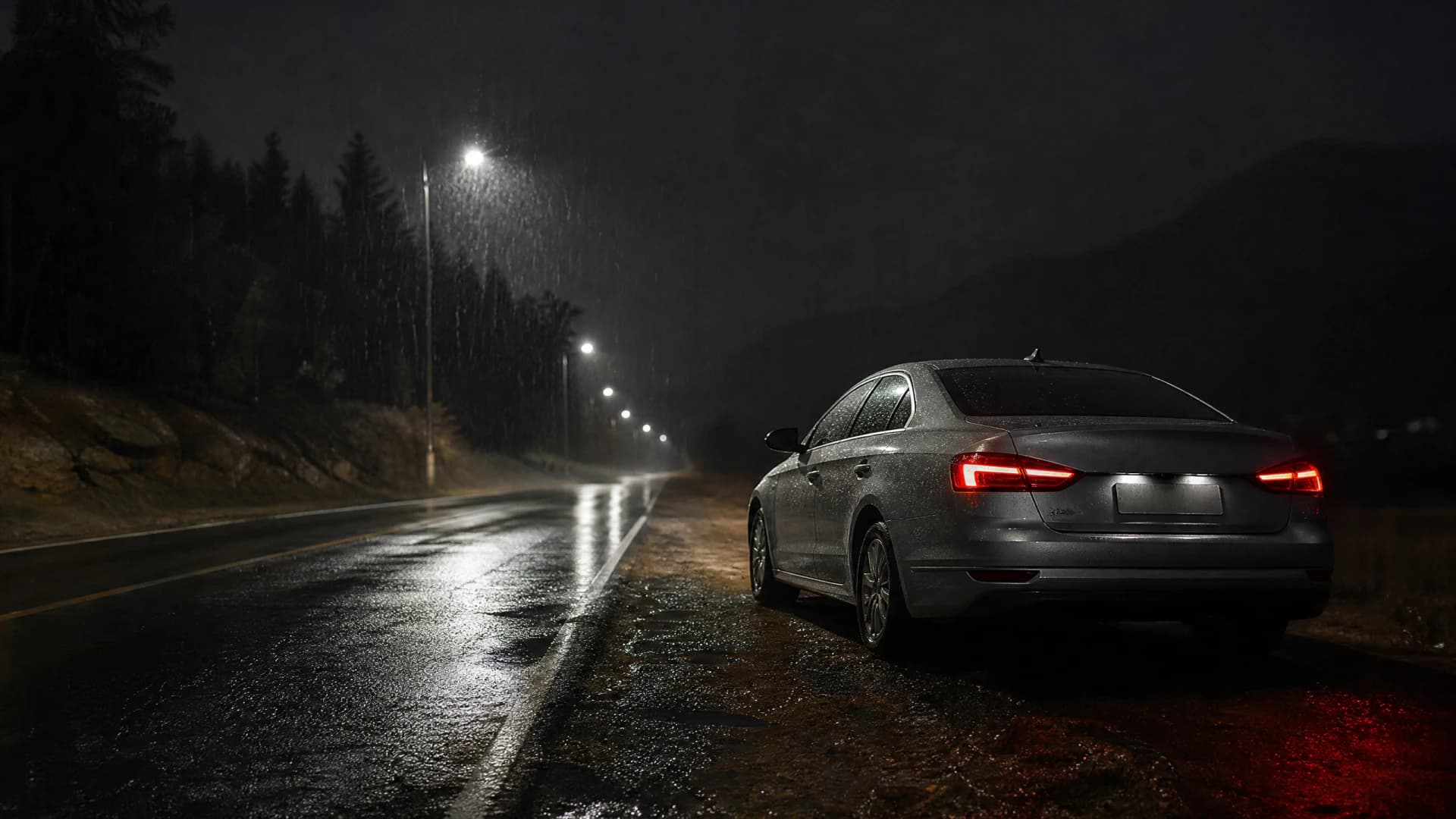
Nebraska mandates uninsured motorist coverage but not collision or comprehensive. Your lender may require both on financed vehicles regardless of state law.
Related Articles




Medical Payments and Rental Reimbursement
Medical payments coverage (MedPay) pays medical bills for you and your passengers after an accident, regardless of fault. Nebraska does not require personal injury protection, so MedPay is the optional coverage that fills the gap. It pays up to your policy limit per person, and it coordinates with your health insurance — MedPay typically pays first, then your health plan covers the remainder. If you carry high-deductible health insurance, MedPay can cover out-of-pocket costs your health plan would not pay until you meet the deductible.
Rental reimbursement coverage pays for a rental car while your vehicle is in the shop after a covered claim. It does not pay if your car breaks down or needs routine maintenance — only after an accident or comprehensive loss that triggers a claim. If you own multiple vehicles and can share cars within your household while one is being repaired, rental reimbursement may be unnecessary. If losing one car leaves your household without transportation, the coverage is worth adding.
Roadside assistance and towing coverage pays for jump-starts, lockouts, flat tire changes, and towing to a repair shop. It does not pay for mechanical repairs, only the service call itself. If you already carry roadside assistance through AAA or your vehicle manufacturer's program, adding it to your insurance policy duplicates coverage you already have. If you do not carry it elsewhere, the insurance version typically costs less than a standalone membership and covers every vehicle on your policy.
$25,000 / $50,000 / $25,000
Nebraska Minimum Liability Limits
Nebraska requires $25,000 bodily injury per person, $50,000 per accident, and $25,000 property damage. These minimums are lower than the cost of many serious accidents, which is why carriers offer higher liability limits as optional upgrades.
Nebraska Department of Motor Vehicles
Higher Liability Limits and Umbrella Coverage
Nebraska's minimum liability limits are exactly that: minimums. If you cause an accident that injures another driver or damages property beyond those limits, you pay the difference out of pocket. A serious multi-vehicle accident or an injury claim can easily exceed $50,000 in bodily injury liability, leaving you personally liable for the remainder.
It only activates after your underlying auto liability limits are exhausted, but it covers judgments your auto policy cannot. If your household owns significant assets — a home with equity, retirement accounts, investment accounts — umbrella coverage protects those assets from being seized to satisfy a liability judgment.
Structuring Coverage Across Multiple Vehicles
When you insure multiple vehicles on one Nebraska policy, you select coverages per vehicle, not per policy. That flexibility lets you match coverage to each car's value and use. A financed vehicle carries collision and comprehensive because the lender requires it. An older paid-off vehicle might carry liability and uninsured motorist only, because the car's value does not justify the collision and comprehensive premium. A rarely-driven classic or seasonal vehicle might carry comprehensive only, with liability and collision suspended while the car is in storage.
The multi-car discount applies to the policy as a whole, but the premium for each vehicle reflects the coverages you select for that specific car. Adding collision and comprehensive to one vehicle raises the premium for that car, but it does not change the premium for the others. Dropping collision and comprehensive from an older vehicle lowers the premium for that car without affecting the financed vehicle's coverage or cost. The policy structure lets you optimize coverage per vehicle while keeping all cars on one policy to preserve the multi-car discount and simplify billing.

Compare Carriers That Write Nebraska Multi-Car Policies
The optional coverages you add and the deductibles you choose determine your premium more than the carrier you select. But carriers price the same coverage stack differently, and the gap widens when you insure multiple vehicles. One carrier might offer a larger multi-car discount but price collision higher; another might price comprehensive lower but charge more for uninsured motorist coverage. The only way to find the lowest total premium for your household's specific vehicles and coverage selections is to compare quotes from multiple carriers writing Nebraska policies. Request quotes with identical coverage limits and deductibles so you can compare premiums directly, then adjust coverages per vehicle to match each car's value and use.
Collision and Comprehensive: When They Matter
Collision coverage pays to repair or replace your vehicle after an accident, regardless of fault. If you hit another car, a guardrail, or roll the vehicle, collision covers your car's damage minus your deductible. Comprehensive coverage pays for non-collision losses: theft, hail, vandalism, hitting a deer, or flood damage. Nebraska's weather patterns make comprehensive relevant — hail and windstorms are common across the state, and vehicle theft rates in Omaha and Lincoln are higher than the state average.
The rule of thumb: if your vehicle's value is low enough that you could replace it out of pocket without financial strain, collision and comprehensive may not be worth the premium. If the car is worth more than ten times your annual collision and comprehensive premium, the coverage typically makes sense. A financed vehicle almost always justifies both coverages because the lender requires them and because you owe more than the car is worth in the early years of the loan.
Get Your Free Quote
Get My Nebraska Car Insurance QuoteFrequently Asked Questions
Does Nebraska require collision and comprehensive coverage?
No. Nebraska requires liability and uninsured motorist coverage but not collision or comprehensive. Your lender may require both on financed vehicles regardless of state law.
Can I carry different coverages on different vehicles on the same policy?
Yes. You select coverages per vehicle, not per policy. A financed car can carry full coverage while an older paid-off car carries liability only, and both remain on the same policy to preserve the multi-car discount.
Is uninsured motorist coverage required in Nebraska?
Yes. Nebraska mandates uninsured motorist coverage on every auto policy. The coverage protects you when an at-fault driver cannot pay for damage they caused.
What is the rule of thumb for dropping collision and comprehensive?
If your vehicle's value is less than ten times your annual collision and comprehensive premium, the coverage may not be worth the cost.
Do I need medical payments coverage if I have health insurance?
Medical payments coverage coordinates with your health insurance and typically pays first. If you carry a high-deductible health plan, MedPay can cover out-of-pocket costs your health plan would not pay until you meet the deductible.
Should I raise my liability limits above Nebraska's minimums?
Nebraska's minimum liability limits are $25,000 per person and $50,000 per accident. A serious multi-vehicle accident or injury claim can exceed those limits, leaving you personally liable for the remainder. Higher limits protect your household's assets.