
Vehicle Impound for No Insurance — Nebraska
Free to compare
When Nebraska Police Can Impound Your Vehicle
Nebraska law does not require police to impound a vehicle solely because the driver lacks proof of insurance at the stop. Officers have discretion. If you are pulled over and cannot produce an insurance card or electronic proof, the officer will typically issue a citation for failure to provide proof of financial responsibility. Your car stays with you, provided your registration is valid and you hold a current driver's license.
The impound trigger fires when no insurance combines with another disqualifying condition: suspended or revoked registration, a suspended or revoked driver's license, or an outstanding warrant. In those scenarios, the officer cannot legally allow you to continue driving the vehicle away from the stop. The car is towed to an impound lot, and you pay tow and storage fees on top of the citation fines and reinstatement costs.
“The impound happens not because you lack insurance today, but because you continued driving after your registration was suspended.”

Compare Nebraska Car Insurance Quotes Today
Get My Nebraska Car Insurance Quote$50
Nebraska Uninsured Reinstatement Fee
After a conviction for driving without insurance, Nebraska DMV charges a $50 reinstatement fee before your driving privilege is restored. This fee is separate from the court fine and any tow or impound charges.
Nebraska DMV reinstatement fee schedule
The Structural Reality of Nebraska's Uninsured-Driver Enforcement
Nebraska enforces insurance compliance through a combination of registration holds and post-conviction penalties, not automatic impound at the traffic stop. When you register a vehicle, the DMV verifies that you carry at least the state minimum liability coverage: $25,000 per person for bodily injury, $50,000 per accident, and $25,000 for property damage. If your insurance lapses after registration, the DMV does not receive real-time notification in most cases. The lapse surfaces only when you are stopped or when the insurer notifies the state.
Once you are cited for driving without insurance, the citation triggers a suspension process. You receive notice from the DMV. If you do not provide proof of insurance or pay the reinstatement fee within the notice period, your registration is suspended. A suspended registration is the condition that makes impound likely at the next stop. The officer sees the suspended status in the system and cannot allow the vehicle to remain on the road.
The misconception many drivers hold is that the first stop for no insurance automatically results in impound. It does not, unless the registration or license is already suspended. The first citation is your warning. The impound risk materializes when you continue driving without resolving the suspension.
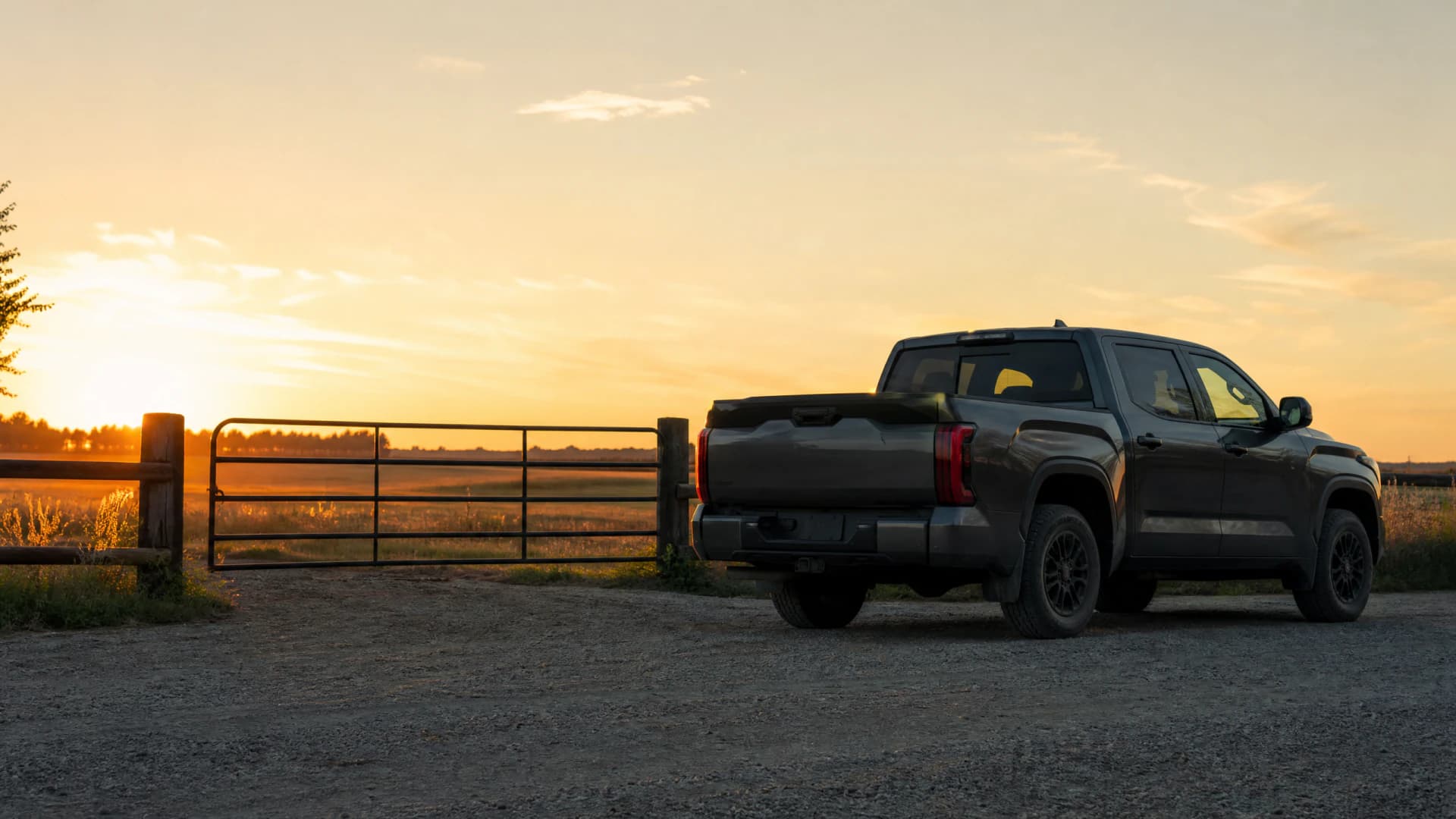
The impound happens not because you lack insurance today, but because you continued driving after your registration was suspended for the earlier lapse.
Related Articles



How to Avoid Impound After a No-Insurance Citation
The path forward after a citation for driving without insurance is straightforward: obtain a policy that meets Nebraska's minimum liability requirements, file proof with the DMV, pay the reinstatement fee, and resolve the court citation. The order matters. If you wait until after your registration is suspended to buy insurance, you still cannot drive the vehicle legally until the suspension is lifted. Driving on a suspended registration is the condition that triggers impound at the next stop.
Purchase a policy from a carrier licensed to write in Nebraska. The carrier files an SR-22 certificate with the DMV electronically in most cases. The SR-22 is not a type of insurance; it is a filing that proves to the state you carry continuous coverage. Nebraska requires SR-22 filing for three years after certain violations, including driving without insurance. Once the DMV receives the SR-22, your registration suspension is eligible for reinstatement. You pay the $50 reinstatement fee online or at a DMV office, and your registration is restored.
If you own multiple vehicles, all of them must be insured under a policy that meets the state minimum, or you must surrender the plates for any vehicle you do not insure. Nebraska does not allow you to register one vehicle with insurance and leave others uninsured on the same registration record. When you add a second or third vehicle to your household, notify your insurer immediately. Most carriers extend coverage to a newly acquired vehicle for a limited grace period, typically 14 to 30 days, but only if you report the addition within that window. Missing the window means the new vehicle is uninsured from the date of purchase, and driving it exposes you to the same citation and impound risk.
9.5%
Nebraska Uninsured Motorist Rate
Nearly one in ten Nebraska drivers operates without insurance, according to 2023 state data. That rate is below the national average but still represents roughly 140,000 uninsured drivers sharing the road with insured households.
Nebraska Department of Insurance, 2023
Household Policy Structure and Multi-Vehicle Coverage
When you insure two or more vehicles in Nebraska, the most common structure is a single multi-vehicle policy covering every car in the household. This structure qualifies you for a multi-car discount with most carriers and simplifies proof-of-insurance compliance. One policy, one renewal date, one proof document covering all vehicles. If you are stopped in any of the household's cars, you produce the same insurance card.
The alternative is separate policies for each vehicle. This structure is rarely advantageous unless the vehicles are driven by different household members with significantly different risk profiles, or one vehicle is titled to someone outside the household. Separate policies mean separate renewal dates, separate proof documents, and no multi-car discount. More importantly, separate policies increase the risk that one vehicle's coverage lapses without your noticing. A lapsed policy on one car does not affect the others, but it does expose you to citation and impound risk if you drive that car.
Compare Nebraska Carriers and Lock Coverage
Nebraska's carrier roster includes both national and regional insurers writing multi-vehicle policies. State Farm, Geico, Progressive, Allstate, Farmers, and USAA all write in Nebraska and offer multi-car discounts. Regional carriers such as Auto-Owners and Shelter also serve the state. Rates vary by carrier, vehicle, driver record, and county. A household with two or three vehicles should compare quotes from at least three carriers before committing.
Once you select a carrier and bind coverage, set up automatic payment and electronic proof of insurance on your phone. Nebraska accepts electronic proof, and having it immediately accessible at a traffic stop eliminates the failure-to-provide-proof citation. For households managing multiple vehicles, automatic payment prevents the lapse that triggers registration suspension. The cost of continuous coverage is lower than the combined cost of citations, reinstatement fees, tow charges, and impound storage.
What Happens at the Traffic Stop
The officer asks for your driver's license, registration, and proof of insurance. Nebraska accepts an insurance card, an electronic display on your phone, or a certificate issued by your insurer. If you cannot produce any of these, the officer runs your vehicle registration and driver's license through the state system. The system shows whether your registration is active and whether your license is valid. If both are clear, the officer issues a citation for failure to provide proof of insurance and allows you to drive away. You have a court date. At that hearing, if you produce proof that you were insured at the time of the stop, the charge is typically dismissed. If you were genuinely uninsured, you face a fine and the $50 reinstatement fee.
If the system shows suspended registration or a suspended license, the officer cannot release the vehicle to you. The car is towed. You arrange for a licensed driver with valid insurance to retrieve it from the impound lot, or you resolve the suspension and retrieve it yourself. The longer the car sits, the higher the total cost. Many drivers discover at this point that the impound and storage fees exceed the cost of obtaining insurance in the first place.
Get Your Free Quote
Get My Nebraska Car Insurance QuoteFrequently Asked Questions
Can Nebraska police impound my car if I forget my insurance card at home?
No, if you were insured at the time of the stop but cannot produce proof, the officer issues a citation for failure to provide proof. You present your insurance documentation at your court hearing, and the charge is typically dismissed. The car is not impounded unless your registration or license is suspended.
How long does Nebraska require SR-22 filing after driving without insurance?
Nebraska requires SR-22 filing for three years after a conviction for driving without insurance. The SR-22 proves to the DMV that you maintain continuous coverage. If your policy lapses during the three-year period, the insurer notifies the DMV, and your registration is suspended again.
What is the total cost to reinstate my registration after a no-insurance suspension in Nebraska?
The DMV reinstatement fee is $50. You also pay any court fines from the citation, the SR-22 filing fee charged by your insurer, and the cost of obtaining insurance. If your car was impounded, add tow and daily storage fees.
Can I retrieve my impounded car in Nebraska if someone else has insurance on it?
Yes, if the vehicle is insured and the person retrieving it holds a valid driver's license, the impound lot will release the car to them. You must provide proof of insurance, proof of ownership, and pay all tow and storage fees. The person retrieving the car must be listed on the insurance policy or have the owner's written authorization.
Does adding a second car to my Nebraska policy prevent impound risk?
Adding a second car to your existing policy extends coverage to both vehicles under one policy. This structure reduces the risk of one vehicle's coverage lapsing unnoticed. Most carriers provide a grace period of 14 to 30 days to report a newly acquired vehicle, but you must notify the insurer within that window to maintain continuous coverage.