
Cheapest Car Insurance in Nebraska — Multi-Car Households
Free to compare
Why Multi-Car Households Pay Differently
You insure two or more vehicles on one Nebraska policy and the premium feels higher than it should. The multi-car discount exists, but you are not sure whether you are getting the best deal or whether switching carriers would lower your total cost. Most households compare single-vehicle rates and assume the multi-car discount stacks cleanly on top — it does not work that way.
The multi-car discount applies to the policy as a whole, not to each vehicle individually. A carrier with a lower base rate and a smaller discount can deliver a lower total premium than a carrier with a higher base rate and a larger discount. The only way to know which carrier is cheapest for your household is to compare the total policy cost across carriers that write multi-car policies in Nebraska, not to compare discount percentages.
“A lower base rate with a smaller discount beats a higher base rate with a larger discount every time.”

Compare Nebraska Car Insurance Quotes Today
Get My Nebraska Car Insurance Quote$25,000 / $50,000 / $25,000
Nebraska Minimum Liability Limits
Nebraska requires $25,000 bodily injury per person, $50,000 bodily injury per accident, and $25,000 property damage on every vehicle. Uninsured motorist coverage is also mandatory. These minimums apply whether you insure one car or four.
Nebraska Department of Motor Vehicles
The Base Rate Matters More Than the Discount
Carriers advertise multi-car discounts, but the discount is a percentage applied to the base rate. If Carrier A charges a higher base rate and offers a larger discount, and Carrier B charges a lower base rate with a smaller discount, Carrier B often delivers the lower total premium. The discount percentage alone tells you nothing about final cost.
Nebraska households with multiple vehicles should request quotes from at least three carriers that write multi-car policies in the state. The quote must include every vehicle you own, every driver in your household, and the same coverage limits across all quotes. Comparing apples to apples means identical coverage, identical deductibles, and identical driver assignments.
Carriers that write multi-car policies in Nebraska include State Farm, Geico, Progressive, Allstate, American Family, Farmers, Nationwide, USAA (for eligible military families), Liberty Mutual, and Travelers. Each carrier rates multi-vehicle households differently based on vehicle type, driver age, garaging address, and claims history. The carrier that is cheapest for a household with two sedans in Omaha may not be cheapest for a household with a truck and an SUV in Lincoln.
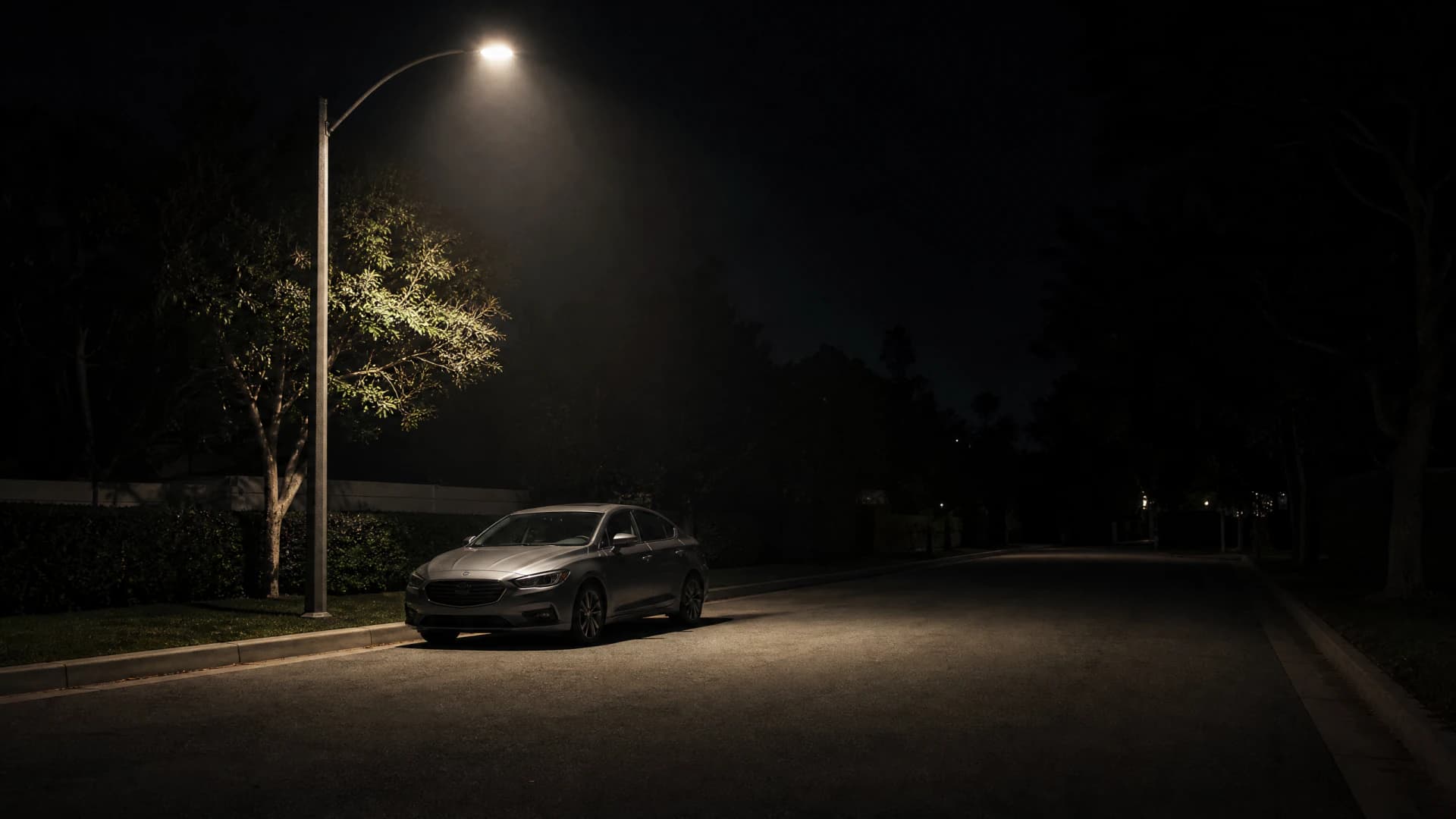
The multi-car discount applies to the policy, not per vehicle. A lower base rate with a smaller discount beats a higher base rate with a larger discount every time.



Same-Policy Requirement and Garaging Address
The multi-car discount requires every vehicle to sit on the same policy. If you and your spouse each maintain separate policies, you forfeit the discount. Combining two policies into one shared policy usually lowers the combined premium, but not always — if one spouse has a poor driving record or a high-risk vehicle, the combined policy may cost more than keeping policies separate. Request a combined quote and compare it to your current separate premiums before making the switch.
Most carriers also require that all vehicles on the policy share the same garaging address. If you own a vehicle garaged at a second address — a college student's car at a dorm, a classic car stored at a separate property — some carriers will not apply the multi-car discount to that vehicle, or will not allow it on the policy at all. Verify the garaging-address rule with each carrier before requesting a quote.
Nebraska does not mandate specific multi-car discount structures. Carriers set their own rules. Some carriers apply the discount to every vehicle after the first; others apply it to the policy as a whole. The structure affects the math but not the outcome: total policy cost is the only number that matters.
9.5%
Nebraska Uninsured Motorist Rate
Approximately 9.5% of Nebraska drivers are uninsured. Uninsured motorist coverage is mandatory in Nebraska and protects you when an at-fault driver has no insurance. This coverage applies to every vehicle on your policy.
Insurance Information Institute, 2023
Coverage Levels Across Multiple Vehicles
You can set different coverage levels for different vehicles on the same policy. Nebraska requires $25,000 bodily injury per person, $50,000 bodily injury per accident, and $25,000 property damage on every vehicle, plus uninsured motorist coverage. Beyond those minimums, you choose whether to carry collision, comprehensive, and higher liability limits per vehicle.
If one vehicle is financed, the lender requires comprehensive and collision. If another vehicle is paid off and worth less than a few thousand dollars, you can drop collision and comprehensive on that vehicle and carry liability only. This lowers the total premium without leaving any vehicle uninsured. Deductibles can also vary by vehicle: you might carry a $500 deductible on the newer car and a $1,000 deductible on the older one.
Compare Total Policy Cost, Not Discount Percentages
Request quotes from at least three Nebraska carriers that write multi-car policies. Provide identical information to each carrier: every vehicle's year, make, model, and VIN; every driver's age, license status, and driving record; the same coverage limits and deductibles across all quotes. The quote you receive is the total policy cost for all vehicles combined. That number is what you compare.
Do not compare discount percentages. Do not compare single-vehicle rates and assume the multi-car discount scales linearly. Compare the total annual or six-month premium for the entire policy. The carrier with the lowest total cost wins, regardless of how they structure the discount internally. Nebraska carriers that write multi-car policies include State Farm, Geico, Progressive, Allstate, American Family, Farmers, Nationwide, USAA, Liberty Mutual, and Travelers. Each rates your household differently. The only way to find the cheapest option is to request quotes from multiple carriers and compare the final numbers side by side.
What Drives Multi-Car Policy Cost in Nebraska
Vehicle type and age matter. Insuring two newer vehicles with comprehensive and collision coverage costs more than insuring two older vehicles with liability only. If one vehicle is financed or leased, the lender requires comprehensive and collision; if the other vehicle is paid off and worth less than a few thousand dollars, dropping collision on that vehicle lowers the total premium. Deductibles are discrete choices: a $500 or $1,000 deductible per vehicle. Higher deductibles lower the premium but increase out-of-pocket cost at claim time.
Driver assignments matter. Every driver in your household must be listed on the policy, and each driver is assigned to a primary vehicle. If you have a teen driver, assigning them to the older, lower-value vehicle as their primary car lowers the premium compared to assigning them to the newer vehicle. Nebraska carriers also consider driving records: a household with one driver who has a speeding ticket or at-fault accident pays more than a household with clean records across the board. Credit-based insurance scores are lawful in Nebraska and affect rates significantly.
Get Your Free Quote
Get My Nebraska Car Insurance QuoteFrequently Asked Questions
Does the multi-car discount apply to every vehicle on my Nebraska policy?
The multi-car discount applies to the policy as a whole, not to each vehicle individually. Some carriers apply the discount to every vehicle after the first; others apply it as a policy-level adjustment. The structure varies by carrier, but the total policy cost is what matters. Request quotes that include every vehicle you own to see the final premium.
Can I insure two vehicles on one policy if they are garaged at different addresses in Nebraska?
Most Nebraska carriers require all vehicles on a multi-car policy to share the same garaging address. If one vehicle is garaged at a second address — a college student's car at a dorm, a classic car stored elsewhere — some carriers will not apply the multi-car discount to that vehicle or will not allow it on the policy. Verify the garaging-address rule with each carrier before requesting a quote.
How do I know which Nebraska carrier is cheapest for my multi-car household?
Request quotes from at least three carriers that write multi-car policies in Nebraska. Provide identical information to each carrier: every vehicle, every driver, and the same coverage limits and deductibles. Compare the total policy cost for all vehicles combined. The carrier with the lowest total premium is the cheapest option for your household, regardless of discount percentages.
Can I set different coverage levels for different vehicles on the same Nebraska policy?
Yes. Nebraska requires $25,000/$50,000/$25,000 liability minimums and uninsured motorist coverage on every vehicle, but you can choose different collision, comprehensive, and liability limits for each vehicle. If one vehicle is financed, the lender requires comprehensive and collision; if another is paid off and low-value, you can drop collision on that vehicle to lower the total premium.
Does combining two separate policies into one multi-car policy always save money in Nebraska?
Usually, but not always. If one spouse has a poor driving record, a high-risk vehicle, or recent claims, the combined policy may cost more than keeping policies separate. Request a combined quote and compare it to your current separate premiums. The total cost of the combined policy must be lower than the sum of the two separate policies to justify the switch.