
Finding Affordable Multi-Car Insurance — Nebraska
Free to compare
Why Multi-Car Coverage Costs More Than You Expected
You added a second or third vehicle to your Nebraska policy and the premium jumped more than the cost of insuring one additional car. The multi-car discount appeared on the declaration page, but the total premium still climbed higher than you calculated. This happens because adding a vehicle re-rates the entire policy, not just the new car, and the discount applies to the combined premium after that re-rating.
Nebraska law requires every registered vehicle to carry at least $25,000 bodily injury per person, $50,000 bodily injury per accident, and $25,000 property damage. When you add a vehicle, the carrier recalculates liability exposure across all cars, all drivers in the household, and all garaging addresses. The multi-car discount reduces the combined premium, but it does not override the re-rating that happens when household risk changes.
“A vehicle titled to someone outside your household may not qualify for the same-policy discount, even if you want to insure it.”

Compare Nebraska Car Insurance Quotes Today
Get My Nebraska Car Insurance Quote$25,000/$50,000/$25,000
Nebraska Minimum Liability
Every vehicle registered in Nebraska must carry at least $25,000 bodily injury per person, $50,000 bodily injury per accident, and $25,000 property damage. These minimums apply per vehicle, not per policy, so a household with three cars must meet them across all three.
Nebraska DMV
How the Multi-Car Discount Actually Works
The multi-car discount applies when you insure two or more vehicles on the same policy. Most carriers require every vehicle to be titled to the same person or household members living at the same address. A car titled to a household member on a separate policy does not count toward the discount, even if that person lives in your home.
The discount reduces the combined premium by a percentage after the carrier calculates the base rate for all vehicles. A smaller discount on a lower base rate can cost less than a larger discount on a higher base rate, which is why comparing total premium across carriers matters more than comparing discount percentages. Carriers writing Nebraska multi-car policies include State Farm, Geico, Progressive, Allstate, American Family, Farmers, and USAA.
Adding a vehicle mid-term triggers a policy re-rating. The carrier recalculates the premium for every car on the policy, not just the new one, because household risk changed. If the new vehicle is higher-risk than the existing cars, or if a new driver is added at the same time, the combined premium can rise substantially even with the multi-car discount applied.
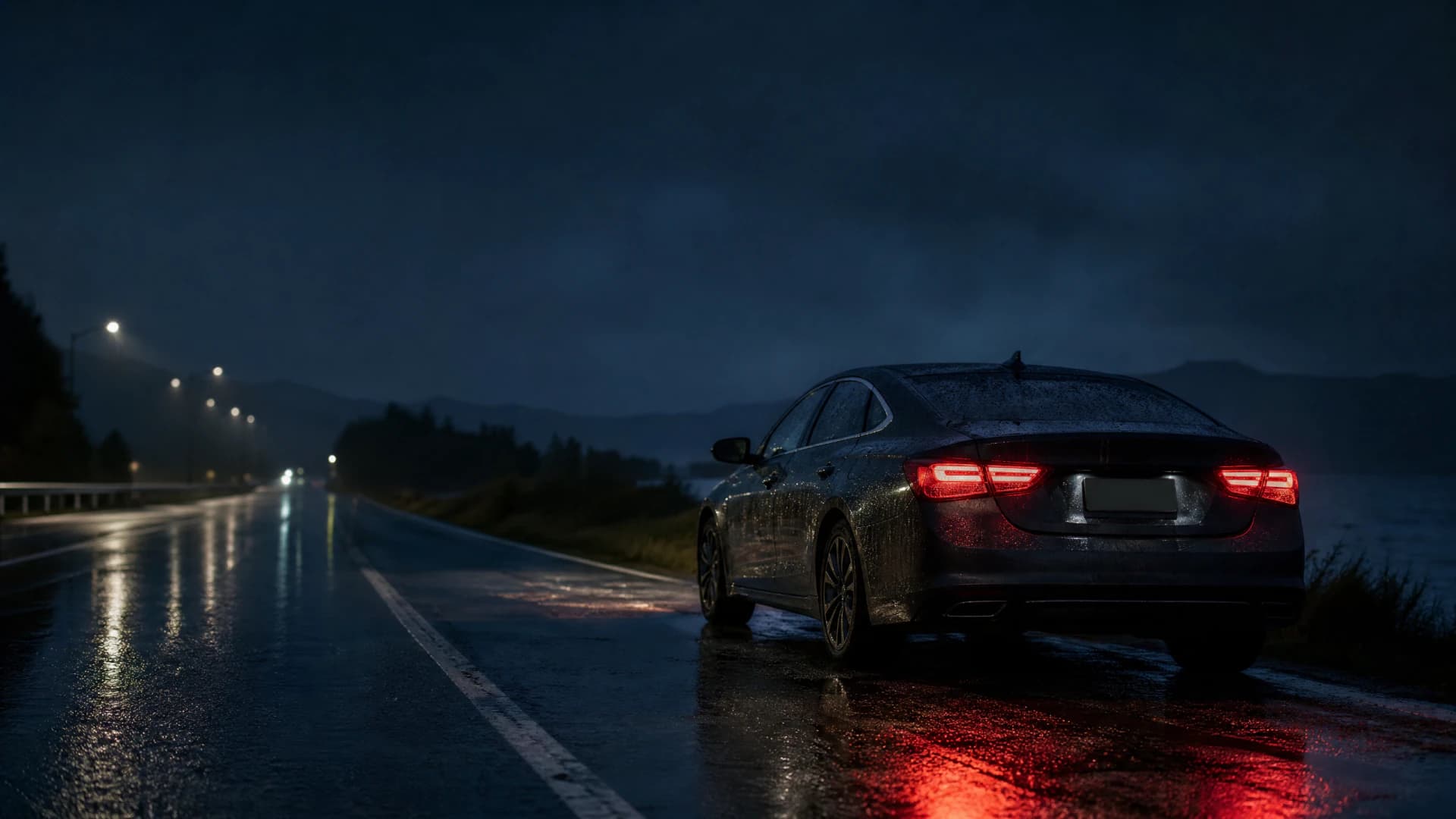
A vehicle titled to someone outside your household or garaged at a different address may not qualify for the same-policy multi-car discount, even if you want to insure it.




Coverage Decisions That Change Multi-Car Premiums
Nebraska does not mandate collision or comprehensive coverage, but lienholders almost always require both until the loan is paid off. If you own three vehicles outright and one is rarely driven, you can drop collision and comprehensive on that car and keep liability only. The multi-car discount still applies to all three vehicles as long as they remain on the same policy, but the total premium drops because you eliminated coverage on the low-use car.
Uninsured motorist coverage is required in Nebraska. You cannot drop it to lower your premium. Personal injury protection is not mandatory in Nebraska, but some carriers bundle it into standard policies. If your household has health insurance that covers auto injuries, declining PIP can reduce the per-vehicle premium without violating state requirements.
Raising deductibles on collision and comprehensive lowers the premium for each vehicle. A household with three cars can choose different deductibles per vehicle based on each car's value and how much cash you can cover out of pocket after a claim. A $500 deductible on a newer car and a $1,000 deductible on an older car balances coverage cost against replacement risk.
9.5%
Nebraska Uninsured Motorist Rate
Nearly one in ten Nebraska drivers carries no insurance. Uninsured motorist coverage is mandatory in Nebraska and protects you when an at-fault driver cannot pay for damage or injuries they cause.
Insurance Information Institute, 2023

When Separate Policies Cost Less Than One Combined Policy
If one household member has a DUI, multiple at-fault accidents, or a suspended license, their driving record can raise the premium for every vehicle on a shared policy. In that situation, placing their vehicle on a separate non-standard policy and keeping the other household vehicles on a standard policy can lower the total cost. You lose the multi-car discount, but the savings from isolating the high-risk driver often exceed the discount value.
A teenage driver adding their own car to the household policy raises the premium for every vehicle because the carrier assumes the teen has access to all cars. If the teen's car is titled to them and insured on a separate policy in their own name, the household policy premium does not increase. However, the teen's standalone policy will cost more than adding them to a multi-car policy would, so this approach only saves money if the household policy premium increase exceeds the cost of the separate teen policy.
Compare Carriers That Write Multi-Car Policies in Nebraska
Twenty carriers write auto insurance in Nebraska, and most offer multi-car policies. State Farm, Geico, Progressive, Allstate, American Family, Farmers, Nationwide, USAA, Travelers, Liberty Mutual, and Hartford all write standard multi-car policies. Dairyland, Bristol West, The General, and National General write non-standard multi-car policies for households with high-risk drivers.
Request quotes from at least three carriers and compare the total annual premium for all vehicles combined, not the per-vehicle cost. One carrier may quote a lower rate for your primary vehicle but a higher rate for the second and third cars, resulting in a higher total. Another carrier may quote higher per-vehicle rates but apply a larger multi-car discount, lowering the combined premium. The only way to know which carrier costs less for your household is to compare the total annual cost across all vehicles.
What Carriers Require for Multi-Car Policies
Most carriers require all vehicles on a multi-car policy to be garaged at the same address and titled to household members listed on the policy. If you own three cars but one is garaged at a second property, the carrier may require that vehicle on a separate policy. If a household member moves out, their vehicle typically must be removed from your policy and placed on their own, which eliminates the multi-car discount for both policies unless each household insures multiple vehicles separately.
When two people marry or move in together and each brings a car, combining policies usually lowers the total premium compared to maintaining two separate policies. The multi-car discount applies to the combined policy, and the carrier rates both vehicles together. However, if one person has a significantly worse driving record or a high-risk vehicle, the combined premium can exceed the sum of the two separate premiums. Compare quotes for a combined policy against the total cost of two separate policies before making the change.
Get Your Free Quote
Get My Nebraska Car Insurance QuoteFrequently Asked Questions
Does the multi-car discount apply if vehicles are titled to different people?
Most carriers require all vehicles on a multi-car policy to be titled to household members living at the same address. A car titled to someone outside your household typically does not qualify for the discount, even if you want to insure it. Check with your carrier about their specific titling requirements before adding a vehicle.
Can I insure three cars on one policy if one is garaged at a different address?
Most carriers require all vehicles on a multi-car policy to be garaged at the same address. If one car is garaged at a second property, the carrier may require it on a separate policy. Some carriers allow exceptions for seasonal or work-related garaging, but you must disclose the second address and accept the policy structure the carrier requires.
Will combining two separate policies after marriage always save money?
Combining policies usually lowers the total premium because the multi-car discount applies to both vehicles. However, if one person has a significantly worse driving record or a high-risk vehicle, the combined premium can exceed the sum of the two separate policies. Compare quotes for a combined policy against the total cost of maintaining two separate policies before making the change.
Can I drop collision coverage on one car and keep the multi-car discount?
Yes. The multi-car discount applies as long as all vehicles remain on the same policy, regardless of coverage levels on each car. If you own a rarely-driven vehicle outright, you can drop collision and comprehensive on that car, keep liability only, and still receive the discount on all vehicles.
How much does adding a teenage driver to a multi-car policy raise the premium?
Adding a teenage driver raises the premium for every vehicle on the policy because the carrier assumes the teen has access to all cars. The increase varies by carrier, the teen's age, and the vehicles insured. Compare quotes with the teen added to your multi-car policy against the cost of a separate policy in the teen's name to determine which structure costs less for your household.
What happens to the multi-car discount if I remove one vehicle mid-term?
Removing a vehicle mid-term triggers a policy re-rating. If you drop from three vehicles to two, the multi-car discount still applies to the remaining two cars, but the total premium recalculates based on the new household risk. If you drop to one vehicle, you lose the discount entirely and the policy converts to a single-car rate.