
Liability-Only Multi-Car Insurance — Nebraska
Free to compare
When Liability-Only Makes Sense for Multiple Vehicles
You own two or more vehicles, at least one has depreciated below the threshold where collision and comprehensive premiums exceed the potential payout, and you're weighing whether to drop full coverage on one car while keeping it on another. The question you're asking: does Nebraska's liability minimum apply to each vehicle separately, or does one policy covering multiple cars satisfy the state requirement across all of them?
Nebraska requires $25,000 bodily injury per person, $50,000 bodily injury per accident, and $25,000 property damage. Those limits apply per accident, not per vehicle. A single policy covering three cars meets the state minimum as long as the policy itself carries those limits. The confusion arises when you drop collision and comprehensive on one vehicle mid-term while keeping full coverage on another, because carriers re-rate the entire policy when you change coverage on any car, and that re-rating often restructures the multi-car discount in ways you did not anticipate.
“Dropping full coverage on one vehicle re-rates every car on the policy and often reduces the multi-car discount applied to the remaining full-coverage vehicles.”

Compare Nebraska Car Insurance Quotes Today
Get My Nebraska Car Insurance Quote$25,000/$50,000/$25,000
Nebraska Liability Minimum
Nebraska's minimum liability coverage applies per accident, not per vehicle. A policy covering multiple cars satisfies the state requirement as long as the policy itself carries these limits, regardless of how many vehicles sit on it.
Nebraska Department of Motor Vehicles
How Nebraska's Per-Accident Limit Works Across Multiple Cars
The $25,000/$50,000/$25,000 minimum is a per-accident limit, not a per-vehicle limit. If you cause an accident while driving any vehicle on your policy, the policy's liability coverage responds up to those limits regardless of which car you were driving. Adding a second or third vehicle to the policy does not multiply the liability limit. The policy limit stays the same.
This structure means you can insure three vehicles with liability-only coverage on a single policy and meet Nebraska's legal requirement with one set of limits. The state does not require separate liability limits for each car. Carriers price each vehicle separately based on its own risk profile, but the liability limit applies at the policy level.
Where households run into trouble: they assume dropping collision and comprehensive on one vehicle while keeping full coverage on another is a simple subtraction. It is not. Carriers re-rate the entire policy when you change coverage on any vehicle, and that re-rating recalculates the multi-car discount based on the new coverage structure. A policy with three cars all carrying full coverage qualifies for a larger multi-car discount than a policy with two cars on full coverage and one on liability-only, even though the liability-only car still counts as a vehicle on the policy.
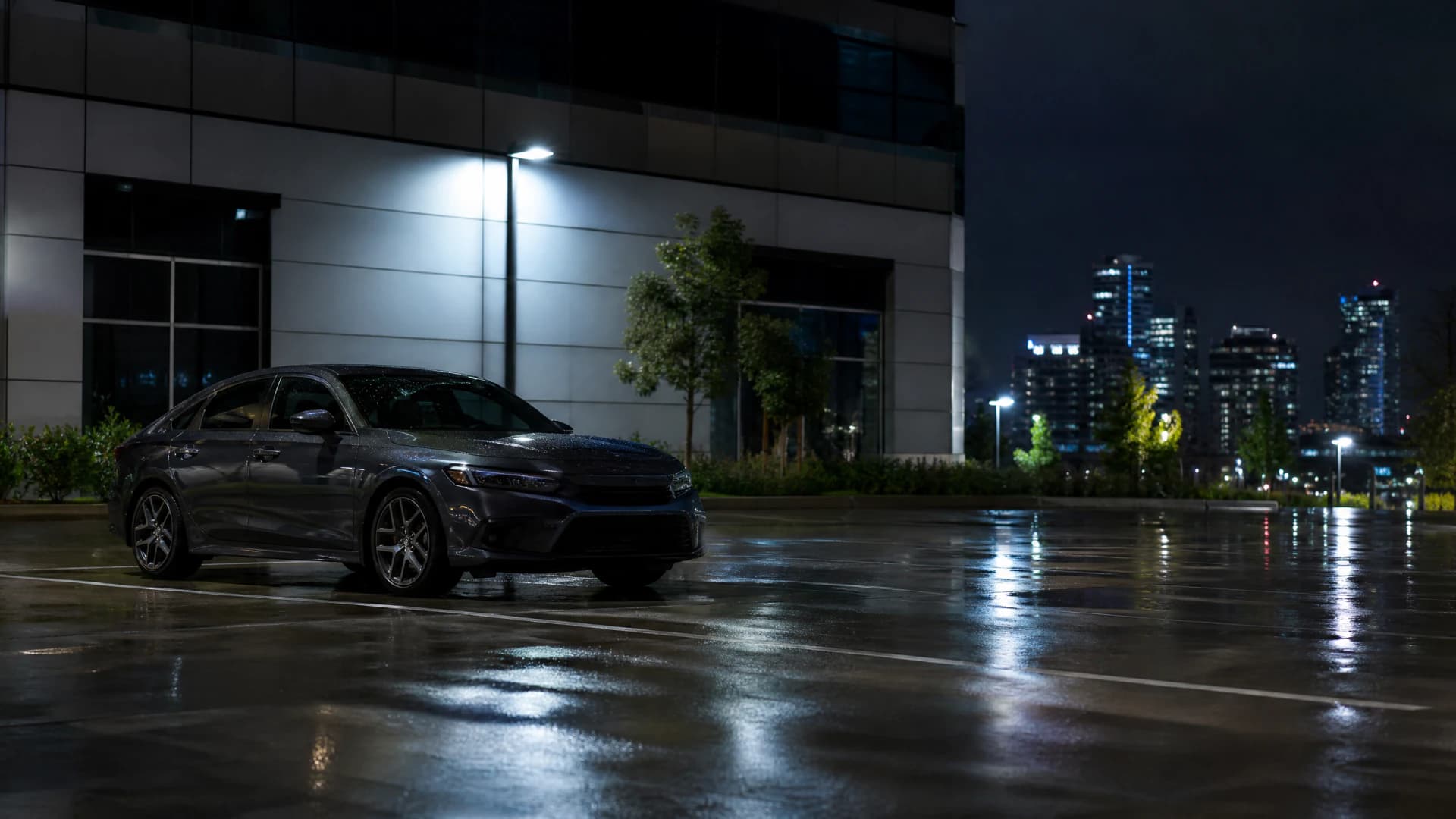
Dropping full coverage on one vehicle mid-term re-rates every car on the policy and often reduces the multi-car discount percentage applied to the remaining full-coverage vehicles.


How Carriers Structure the Multi-Car Discount for Liability-Only Policies
The multi-car discount applies to policies with two or more vehicles, but the discount percentage varies by carrier and by the coverage level each vehicle carries. State Farm, Geico, Progressive, and Allstate all write multi-car policies in Nebraska, and all offer a multi-car discount, but the discount structure differs. Some carriers apply the same discount percentage to every vehicle on the policy regardless of coverage level. Others tier the discount based on total policy premium, which means a policy with three liability-only vehicles receives a smaller discount than a policy with three full-coverage vehicles, even though both policies insure the same number of cars.
Farmers and Nationwide calculate the multi-car discount as a percentage off each vehicle's base premium, and that percentage increases with the number of vehicles on the policy. A two-car policy might receive a 10 percent discount per vehicle, while a three-car policy receives 15 percent. But if one of those three cars carries only liability coverage, the total policy premium drops, and the discount tier may drop with it. The household ends up with three cars on the policy but a two-car discount percentage, because the policy premium no longer meets the threshold for the higher tier.
Liberty Mutual and Travelers tie the multi-car discount to the policy's total premium rather than the vehicle count. The household pays more total premium than before, but the per-vehicle discount stays flat or even decreases.
$975.01
Nebraska Average Annual Auto Expenditure Per Vehicle
Nebraska drivers paid an average of $975.01 per insured vehicle in 2023. Liability-only policies cost substantially less, but the multi-car discount percentage applied to each vehicle depends on the total policy premium, not just the number of cars.
NAIC Auto Insurance Database Report 2023

Structuring Coverage Across Older and Newer Vehicles
A household with one newer vehicle and two older vehicles faces a specific decision: keep full coverage on the newer car and drop it on the older ones, or keep full coverage on all three to preserve the multi-car discount tier. The answer depends on the value of the older vehicles and the size of the discount you lose by dropping coverage. Dropping collision makes sense on that vehicle alone.
The decision is still correct, but the margin is narrower than the simple subtraction suggested.
Compare Carriers That Write Multi-Car Liability-Only Policies
Not every carrier writes multi-car policies with mixed coverage levels at competitive rates. Geico, Progressive, and State Farm all write liability-only coverage on multi-car policies in Nebraska, and all three offer online quoting tools that let you model different coverage combinations across multiple vehicles. Farmers and Allstate write multi-car liability-only policies but require an agent quote, which adds a step but often surfaces discount opportunities the online tool does not show. National General and Dairyland specialize in non-standard auto insurance and write multi-car policies for households with older vehicles or drivers who carry only state-minimum coverage, but their multi-car discount structure is less generous than standard carriers because their base premiums are higher.
When comparing carriers, request quotes for the exact coverage structure you plan to carry: liability-only on the older vehicles, full coverage on the newer one, all on the same policy. Do not accept a quote that assumes uniform coverage across all vehicles, because the premium and discount structure will not match your actual situation. Ask each carrier how the multi-car discount percentage changes when you drop full coverage on one vehicle mid-term. Some carriers lock the discount percentage for the policy term; others recalculate it immediately. That difference determines whether dropping coverage mid-term saves money or costs you more than waiting until renewal.
What Happens When You Drop Full Coverage Mid-Term
When you call your carrier to drop collision and comprehensive on one vehicle, the carrier does not simply subtract that vehicle's full-coverage premium and leave the rest of the policy unchanged. The system re-rates every vehicle on the policy based on the new coverage structure. The multi-car discount is calculated as a percentage off the base premium for each vehicle, and that percentage often decreases when the policy shifts from uniform full coverage to a mix of full coverage and liability-only. A household with three cars all on full coverage might receive a 20 percent multi-car discount on each vehicle. Drop full coverage on one car, and the discount on the remaining two full-coverage vehicles might drop to 15 percent, because the carrier's discount tier is tied to the total premium volume the policy generates, not just the number of vehicles.
The re-rating also recalculates the base premium for each vehicle. Carriers price risk at the policy level, and a policy with mixed coverage presents a different risk profile than a policy with uniform coverage. The liability-only vehicle now carries higher per-mile exposure because it lacks the collision and comprehensive coverage that would have capped the carrier's payout in a total-loss scenario. That increased exposure can push the base premium higher on the remaining full-coverage vehicles, even though those vehicles themselves did not change. The result: dropping full coverage on one car can increase the premium on another car, not because you changed that car's coverage, but because the policy-level risk calculation shifted.
Get Your Free Quote
Get My Nebraska Car Insurance QuoteFrequently Asked Questions
Does Nebraska require separate liability coverage for each vehicle on a multi-car policy?
No. Nebraska's $25,000/$50,000/$25,000 liability minimum applies per accident, not per vehicle. A single policy covering multiple cars meets the state requirement as long as the policy itself carries those limits, regardless of how many vehicles are on it.
Can I keep full coverage on one car and liability-only on another on the same policy?
Yes. Carriers allow mixed coverage levels on multi-car policies. You can carry full coverage on a newer vehicle and liability-only on older vehicles, all on the same policy. The multi-car discount still applies, but the discount percentage may decrease when you drop full coverage on any vehicle.
Will dropping collision on one vehicle increase the premium on my other cars?
It can. Carriers re-rate the entire policy when you change coverage on any vehicle. The multi-car discount percentage often decreases when the policy shifts from uniform full coverage to mixed coverage, which can increase the premium on the remaining full-coverage vehicles even though their coverage did not change.
How does the multi-car discount work on a liability-only policy in Nebraska?
The multi-car discount applies to policies with two or more vehicles, regardless of coverage level. The discount percentage varies by carrier and often depends on total policy premium rather than vehicle count. A policy with three liability-only vehicles typically receives a smaller discount than a policy with three full-coverage vehicles.
Which Nebraska carriers write multi-car policies with liability-only coverage?
Geico, Progressive, State Farm, Farmers, Allstate, National General, and Dairyland all write multi-car policies with liability-only coverage in Nebraska. Geico, Progressive, and State Farm offer online quoting for mixed-coverage policies. Farmers and Allstate require an agent quote.
Should I drop full coverage on an older vehicle to save money on a multi-car policy?
It depends on the vehicle's value and the multi-car discount you lose. If the vehicle is worth less than ten times the annual collision premium, dropping collision usually saves money. But if dropping coverage reduces the multi-car discount on your other vehicles, factor that loss into your calculation before deciding.