
Liability-Only vs Full Coverage Car Insurance — Nebraska
Free to compare
The Coverage Decision Across Multiple Vehicles
You own two or more vehicles in Nebraska, and you're deciding whether to carry minimum liability on all of them or step up to full coverage on some or all. The state requires $25,000 per person and $50,000 per accident in bodily injury liability, plus $25,000 in property damage liability. That minimum protects other people when you cause an accident. It does not protect your own vehicles.
Full coverage adds collision and comprehensive to the liability base. Collision pays to repair your vehicle after an accident you cause or a single-vehicle crash. Comprehensive covers theft, hail, vandalism, and animal strikes. When you insure multiple cars on one policy, the coverage decision repeats for each vehicle — and the right answer often differs by vehicle age, value, and how you use it.
“For a household with multiple vehicles garaged at the same address, a single hailstorm can affect more than one car — comprehensive covers all of them.”
Compare Nebraska Car Insurance Quotes Today
Get My Nebraska Car Insurance Quote$25,000 / $50,000 / $25,000
Nebraska Minimum Liability
These are the lowest liability limits you can carry and remain legal in Nebraska. The first figure is bodily injury per person, the second is bodily injury per accident, and the third is property damage per accident. Uninsured motorist coverage is also required in Nebraska.
Nebraska Department of Motor Vehicles
What Liability-Only Covers and What It Leaves Exposed
Liability-only insurance meets Nebraska's legal minimum. It pays the other driver's medical bills and vehicle repairs when you cause an accident, up to your policy limits. It also covers your legal defense if you're sued after an at-fault crash. Nebraska requires uninsured motorist coverage as well, which protects you when an uninsured driver hits you and cannot pay.
Liability-only leaves your own vehicles unprotected. If you cause an accident, your car's damage is your responsibility. If your car is stolen, totaled by hail, or hit by a deer, you pay the full replacement or repair cost out of pocket. For a household with multiple vehicles, that exposure multiplies — one severe weather event or theft can eliminate two or more vehicles at once with no insurance payout.
Nebraska sees 9.5% of motorists driving uninsured, and the state recorded 251.8 motor vehicle thefts per 100,000 population in 2024. Weather risk is real: hail, ice storms, and high winds damage vehicles across the state every year. Liability-only coverage leaves you fully exposed to all of those risks on every vehicle you own.
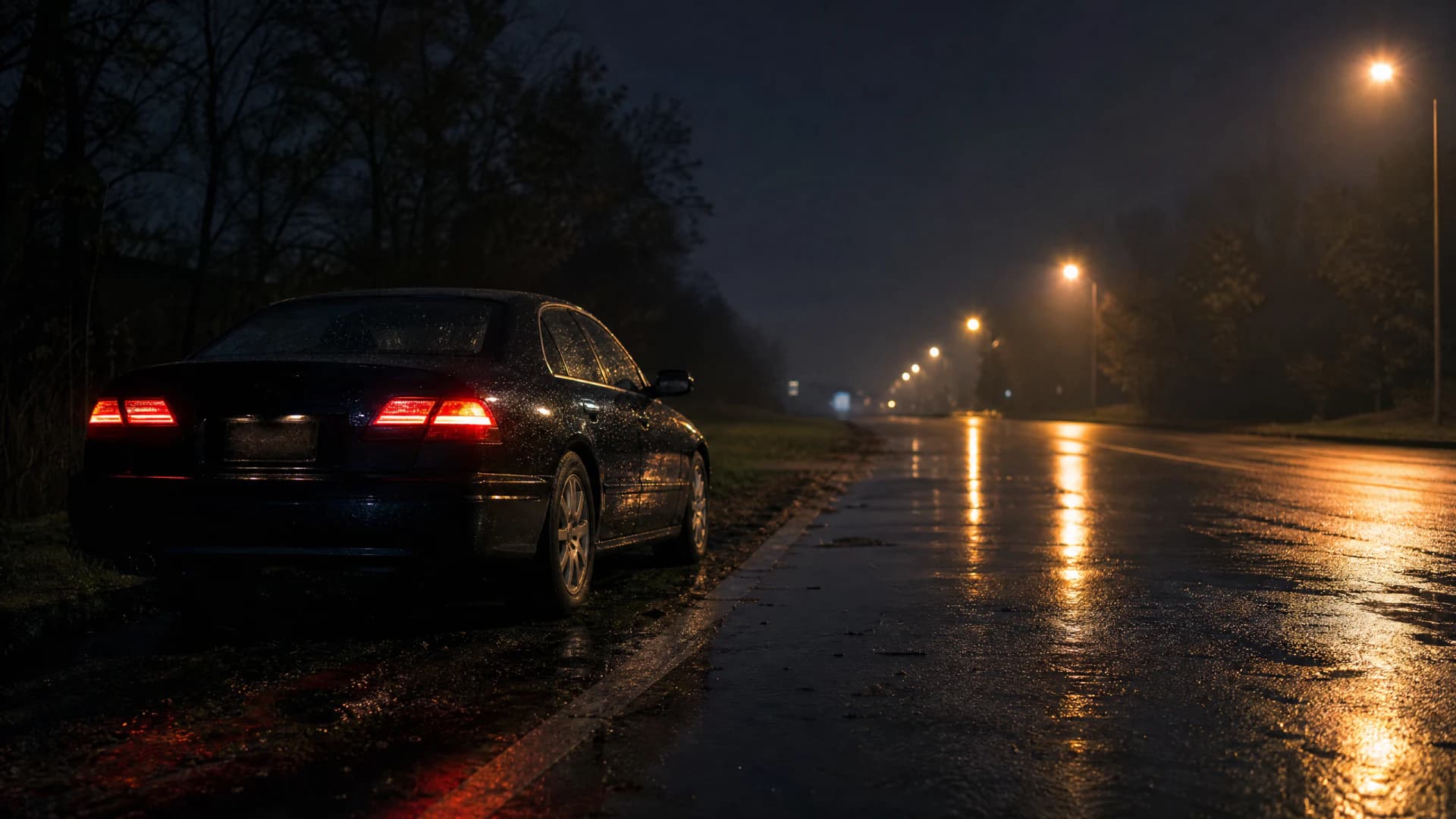
Liability-only protects others. Full coverage protects your vehicles. The decision compounds when you own multiple cars, because a single event can damage or eliminate more than one at once.
Related Articles

Best Car Insurance for Multiple Vehicles NE
7/15/2026

Liability vs Full Coverage for Multiple Cars
7/15/2026
Minimum vs Full Coverage for Multiple Cars
7/15/2026

Full Coverage Car Insurance in Nebraska
7/15/2026

Full Coverage Multi-Car Insurance — Nebraska
7/15/2026
Multi-Car Coverage Needs in Nebraska
7/15/2026

How Multi-Vehicle Households Structure Coverage
Most households with multiple vehicles do not carry identical coverage on every car. The typical pattern: full coverage on newer or financed vehicles, and liability-only or liability-plus-comprehensive on older paid-off cars. The decision hinges on vehicle value. If a car is worth less than ten times the annual cost of collision coverage, many households drop collision and keep only comprehensive and liability.
Lenders require full coverage on financed and leased vehicles. You cannot drop collision or comprehensive until the loan or lease is paid off. For a household with one financed car and two older paid-off cars, the financed vehicle carries full coverage by contract, and the older vehicles are the coverage decision point.
Some households split the decision further: they drop collision on an older vehicle but keep comprehensive, because comprehensive premiums are lower and the risks it covers — theft, hail, animal strikes — can total a car just as completely as a collision. Nebraska's theft rate and weather patterns make comprehensive a common hold even after collision is dropped.
21
Carriers Writing Nebraska Auto
Twenty-one carriers write auto insurance in Nebraska, including State Farm, Geico, Progressive, Allstate, Farmers, Nationwide, and USAA. Coverage options and multi-car discount structures vary by carrier. Comparing quotes across carriers is the only way to see how full coverage premiums differ for your household's vehicles.
Nebraska carrier roster

When Liability-Only Makes Sense for a Vehicle
Liability-only makes sense when a vehicle's value is low enough that paying collision and comprehensive premiums year after year exceeds the payout you would receive if the car were totaled.
Older vehicles in a multi-car household are the natural candidates for liability-only coverage. A 15-year-old sedan used for short commutes, a third vehicle driven occasionally, or a car with high mileage and declining value often costs more to insure fully than it would pay out in a claim. Dropping collision on that vehicle frees premium dollars to increase liability limits or add coverage to a newer vehicle in the household.
Compare Carriers That Write Your Household's Vehicles
Coverage structure is one decision. Carrier choice is another. The 21 carriers writing auto insurance in Nebraska price full coverage and liability-only differently, and multi-car discounts vary by carrier. One carrier may offer a lower base rate with a smaller multi-car discount; another may price higher but discount more steeply when you add a second or third vehicle. The only way to see which structure costs less for your household is to compare quotes with identical coverage across multiple carriers.
When you request quotes, specify the coverage level you want for each vehicle separately. Tell the carrier which cars you want full coverage on and which you want liability-only. If you're considering dropping collision on an older vehicle, request quotes both ways so you can see the exact premium difference. Carriers that write multi-vehicle policies in Nebraska include State Farm, Geico, Progressive, Allstate, Farmers, Nationwide, USAA, Liberty Mutual, Travelers, American Family, and others. Use the site's comparison tool to request quotes from carriers licensed in Nebraska and compare how each structures coverage and discounts for your household's vehicles.
What Full Coverage Adds to the Liability Base
Collision coverage pays to repair or replace your vehicle after an accident you cause, a single-vehicle crash, or a collision with an object. You pay a deductible — typically $500 or $1,000 — and the insurer pays the rest, up to your vehicle's actual cash value. If your car is totaled, collision pays the pre-accident market value minus your deductible. When you insure multiple vehicles, collision applies separately to each car on the policy, and each has its own deductible.
Comprehensive coverage pays for damage from events other than collisions: theft, vandalism, fire, hail, falling objects, and animal strikes. Comprehensive also carries a deductible, and the insurer pays the rest. In Nebraska, where deer collisions and severe weather are common, comprehensive protects against the risks liability-only leaves entirely uncovered. For a household with multiple vehicles garaged at the same address, a single hailstorm or theft event can affect more than one car — comprehensive covers all of them, subject to each vehicle's deductible.
Get Your Free Quote
Get My Nebraska Car Insurance QuoteFrequently Asked Questions
What is the difference between liability-only and full coverage car insurance in Nebraska?
Liability-only meets Nebraska's $25,000/$50,000/$25,000 minimum and covers damage you cause to others. Full coverage adds collision and comprehensive, which pay to repair or replace your own vehicles after accidents, theft, hail, or animal strikes. Liability-only leaves your vehicles unprotected.
Do I need full coverage on all my vehicles in Nebraska?
No, unless a lender requires it. Many multi-vehicle households carry full coverage on newer or financed cars and liability-only or liability-plus-comprehensive on older paid-off vehicles. The decision depends on each vehicle's value and how you use it.
Can I drop collision but keep comprehensive on an older car?
Yes. Comprehensive covers theft, hail, vandalism, and animal strikes, and costs less than collision. Many Nebraska households drop collision on older vehicles but keep comprehensive because weather and theft risks remain regardless of vehicle age.
How do I know if liability-only is enough for my vehicle?
Compare your vehicle's current value to the annual cost of collision and comprehensive coverage. If the vehicle is worth less than ten times the annual premium, liability-only often makes financial sense. Lenders require full coverage on financed or leased vehicles.
Does the multi-car discount apply to liability-only policies in Nebraska?
Yes. The multi-car discount applies when you insure two or more vehicles on the same policy, regardless of whether each vehicle carries full coverage or liability-only. The discount structure varies by carrier.
What happens if my car is totaled and I only have liability coverage?
You receive no insurance payout for your own vehicle. Liability-only pays for damage you cause to others, not damage to your own car. If your car is totaled in an at-fault accident, theft, or weather event, you pay the full replacement cost yourself.
How much does full coverage cost compared to liability-only in Nebraska?
The difference varies by vehicle age, value, driving history, and carrier. Collision and comprehensive add to the liability base, and each vehicle on your policy can carry different coverage. Request quotes from multiple carriers to see the exact premium difference for your household's vehicles.