
Rental Reimbursement Coverage — Nebraska
Free to compare
When Your Multi-Car Policy Needs Rental Coverage
You carry collision and comprehensive on two or more vehicles under one Nebraska policy. One car goes into the shop after a claim. The household is short a vehicle, and you need a rental while repairs happen. The question: does rental reimbursement need to sit on every vehicle you insure, or does coverage on one car protect the household when any covered vehicle is out of service?
The structural reality most multi-vehicle households miss: rental reimbursement is purchased per vehicle on the policy, but the coverage applies per incident. When a covered loss sidelines one of your cars, the rental reimbursement attached to that specific vehicle pays for a substitute. Coverage on a different vehicle in your garage does not transfer to the car in the shop. This creates a coverage gap many households discover only at claim time.
“Rental reimbursement on one vehicle does not transfer when a different vehicle on the same policy goes into the shop.”

Compare Nebraska Car Insurance Quotes Today
Get My Nebraska Car Insurance Quote$25,000 / $50,000 / $25,000
Nebraska Minimum Liability
Nebraska requires $25,000 bodily injury per person, $50,000 per accident, and $25,000 property damage. These minimums apply to every vehicle on your policy, but rental reimbursement is an optional add-on purchased separately for each car.
Nebraska Department of Motor Vehicles
How Rental Reimbursement Attaches to Each Vehicle
Rental reimbursement is an optional coverage you add to a specific vehicle's collision or comprehensive protection. When that vehicle suffers a covered loss and goes into the shop, the rental coverage activates. The carrier pays a daily rate, up to a per-incident maximum, for a substitute vehicle while yours is being repaired or until the claim settles if the car is totaled.
The coverage does not pool across your household's vehicles. If you carry rental reimbursement on your sedan but not on your SUV, and the SUV is hit and needs two weeks of body work, the sedan's rental coverage does not apply. You pay out of pocket for the rental, or you go without a substitute vehicle. The reverse is equally true: coverage on the SUV does nothing when the sedan is in the shop.
This per-vehicle structure means a multi-car household faces a decision: add rental reimbursement to every vehicle and pay the premium on each, add it to only the vehicles most likely to need it, or skip it entirely and self-insure the rental cost when a claim happens.
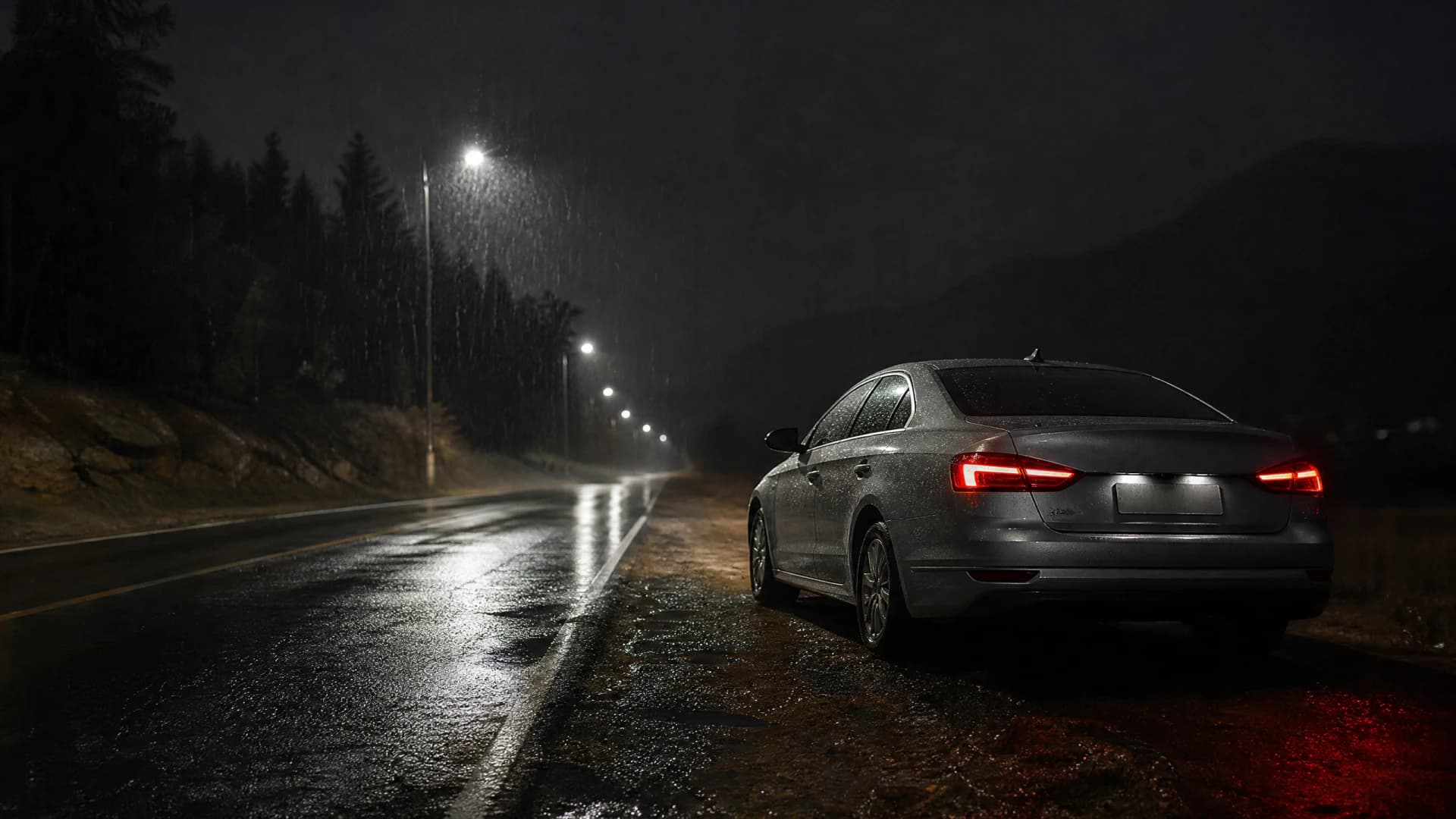
Rental reimbursement on one vehicle does not transfer to another vehicle on the same policy when that second vehicle is out of service.
Related Articles

Best Car Insurance for Multiple Vehicles NE
7/15/2026
Roadside Assistance Multi-Car Policy NE
7/15/2026
Multi-Car Coverage Needs in Nebraska
7/15/2026

Collision Coverage Multi-Car Policy Nebraska
7/15/2026
Deductibles & Multi-Car Insurance in Nebraska
7/15/2026

Liability vs Full Coverage for Multiple Cars
7/15/2026
Daily Limits and Per-Incident Caps
The daily rate determines how much the carrier reimburses per day; the per-incident cap sets the total the carrier will pay before coverage exhausts. After that, you pay the remainder.
Repair timelines vary. A minor fender repair may take five business days. A frame repair or parts-delay situation can stretch to three weeks. A total loss can take 10 to 15 days to settle, during which you still need transportation. The per-incident cap matters more than the daily rate when repairs run long or when the claim involves a total loss and you need time to locate and purchase a replacement vehicle.
When structuring rental reimbursement across multiple vehicles, match the daily rate and cap to the household's actual rental cost in your area and the likely downtime for the type of claim each vehicle might face. A household with newer vehicles and comprehensive collision coverage may see longer repair times due to parts availability. Older vehicles with liability-only coverage do not trigger rental reimbursement at all, because the coverage requires collision or comprehensive protection on the same vehicle.
20 carriers
Nebraska Multi-Vehicle Carriers
Twenty carriers write multi-vehicle policies in Nebraska, including Allstate, American Family, Geico, Progressive, State Farm, and USAA. Not all offer identical rental reimbursement terms; daily limits and per-incident caps vary by carrier and by the coverage tier you select.
Cost and Coverage Trade-Offs
Adding rental reimbursement to a single vehicle on a Nebraska multi-car policy typically adds a small per-vehicle premium. The cost scales with the daily rate and per-incident cap you select. Multiply that premium by the number of vehicles you want covered, and the annual cost becomes a line item worth evaluating against the household's actual rental risk.
The trade-off: pay the recurring premium to transfer the rental cost to the carrier, or self-insure and pay out of pocket when a claim happens. A household that has never filed a collision or comprehensive claim in five years may prefer to skip the coverage and bank the premium savings. A household with teen drivers, long commutes, or a history of weather-related claims may find the premium worth the certainty of covered rental costs when the next claim arrives.
Compare Carriers for Multi-Vehicle Rental Terms
Rental reimbursement terms vary by carrier. Some offer higher daily limits or longer per-incident caps than others. Some bundle rental coverage into a broader package; others price it as a standalone add-on. When you carry multiple vehicles on one policy, the rental reimbursement decision affects every vehicle you choose to cover, and the cumulative premium difference across carriers can be significant over a policy term.
Request quotes that show rental reimbursement as a line item for each vehicle. Compare the daily rate, the per-incident cap, and the premium for the coverage tier that matches your household's transportation needs. A carrier with a lower base premium but a higher rental reimbursement add-on may cost more overall than a carrier with a higher base rate and included rental coverage. The comparison must account for the full policy structure, not just the liability minimums Nebraska requires.
When One Vehicle's Coverage Is Enough
A household with three or more vehicles and flexible driving arrangements may choose to carry rental reimbursement on only the primary commuter car or the vehicle driven farthest from home. When that vehicle is out of service, the household has substitute cars already in the garage. The rental coverage on the primary car handles the scenario where that specific vehicle is down and no household substitute works. The other vehicles remain uninsured for rental costs, but the household can absorb a week without one of them.
A two-car household with two working adults and overlapping commutes faces a different calculation. Losing either vehicle creates immediate pressure. One car in the shop means one driver without transportation. In that structure, either both vehicles carry the coverage or the household accepts the rental cost as an out-of-pocket expense when the uncovered car is hit.
Get Your Free Quote
Get My Nebraska Car Insurance QuoteFrequently Asked Questions
Does rental reimbursement cover all vehicles on my Nebraska multi-car policy?
No. Rental reimbursement is purchased per vehicle. Coverage on one car applies only when that specific car suffers a covered loss. If a different vehicle on your policy is in the shop, its own rental reimbursement must be in place for the coverage to apply.
Can I add rental reimbursement to just one vehicle on a multi-car policy?
Yes. You can select which vehicles on your Nebraska policy carry rental reimbursement. A household with three cars may choose to cover only the primary commuter vehicle, leaving the others without rental coverage to reduce premium costs.
What happens if my rental costs exceed the per-incident cap?
You pay the difference out of pocket.
Does rental reimbursement apply if I total my car?
Yes, up to the per-incident cap. The coverage continues while the total-loss claim settles and you locate a replacement vehicle. Once the cap exhausts or the claim closes, rental reimbursement stops.
Do I need collision or comprehensive coverage to add rental reimbursement?
Yes. Rental reimbursement requires collision or comprehensive protection on the same vehicle. Liability-only coverage does not trigger rental reimbursement, because the coverage applies only to losses your collision or comprehensive policy would pay for.
How do I know which vehicles on my policy need rental coverage?
Evaluate which vehicles, if out of service, would create immediate transportation pressure for your household. A two-car household with two working adults typically needs coverage on both. A four-car household with flexible driving arrangements may cover only the primary commuter vehicle.