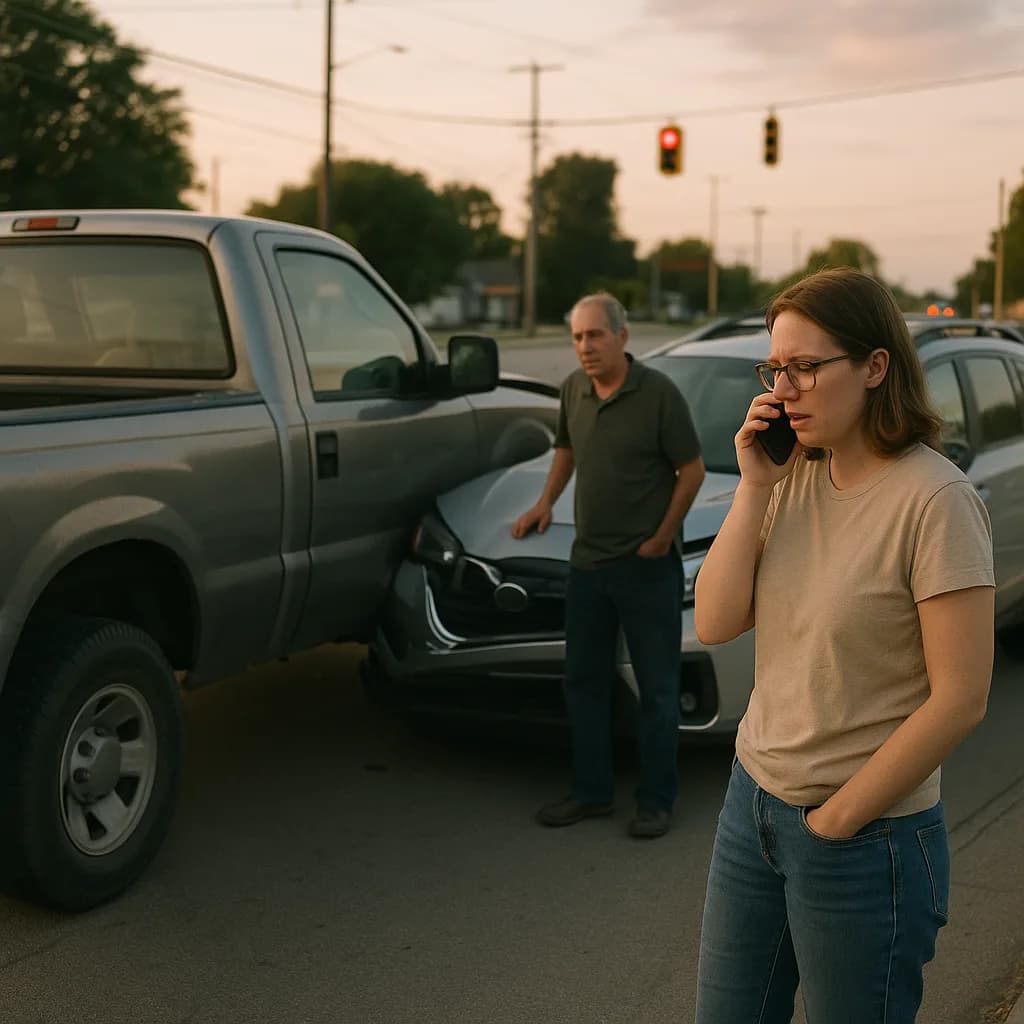
The Multi-Vehicle Roadside Charge
You just asked your carrier to add roadside assistance to your Nebraska policy covering three vehicles. This is the structural reality of roadside assistance on multi-car policies: most carriers charge per vehicle, not per policy, and the add-on stacks across every car you insure.
The confusion stems from how multi-car discounts work versus how add-on coverages price. The multi-car discount applies to your base premium because you bundle vehicles on one policy. Roadside assistance, however, is sold as a per-vehicle service—each car gets its own coverage limit and its own monthly charge. When you carry three vehicles, you're buying three separate roadside plans even though they sit on one policy document.
Compare car insurance rates in your state
Get quotes from licensed carriers — no obligation, no spam, results in minutes.
Get Your Free QuoteNebraska Average Annual Auto Expenditure
$975.01
Nebraska drivers spent an average of $975.01 per insured vehicle annually in 2023, one of the lowest state averages in the country.
NAIC Auto Insurance Database Report 2023
Per-Vehicle Pricing Across Carriers
State Farm, Geico, Progressive, Allstate, and Farmers all write multi-car policies in Nebraska, and all five charge roadside assistance per vehicle rather than per household. A household with two cars pays double the monthly add-on; a household with four cars pays quadruple. The per-vehicle structure applies whether you drive all the cars daily or park two in the garage most weeks.
Some carriers let you add roadside to only the vehicles you choose. If you drive two cars regularly and keep a third for occasional use, you can buy roadside coverage for the two daily drivers and skip it on the third. The carrier will not force you to cover every vehicle on the policy, but the discount for adding it to multiple cars is rare—most charge the same per-vehicle rate whether you cover one car or all of them.
A few carriers bundle roadside into higher-tier policies at no separate charge, but those tiers carry higher base premiums that often exceed the cost of adding roadside à la carte. Compare the total premium with roadside added to your current tier against the total premium for the bundled tier before switching.
When the Add-On Makes Sense

Nebraska's rural road network means a breakdown 40 miles from the nearest town can leave you waiting hours for a tow. If two or more of your vehicles are older than ten years, drive more than 15,000 miles annually, or regularly travel outside metro areas, the per-vehicle roadside charge pays for itself after one or two service calls.
Compare your carrier's per-vehicle roadside rate against a standalone membership like AAA, which covers the member across any vehicle they drive.
Related Articles





Coverage Limits and Service Restrictions
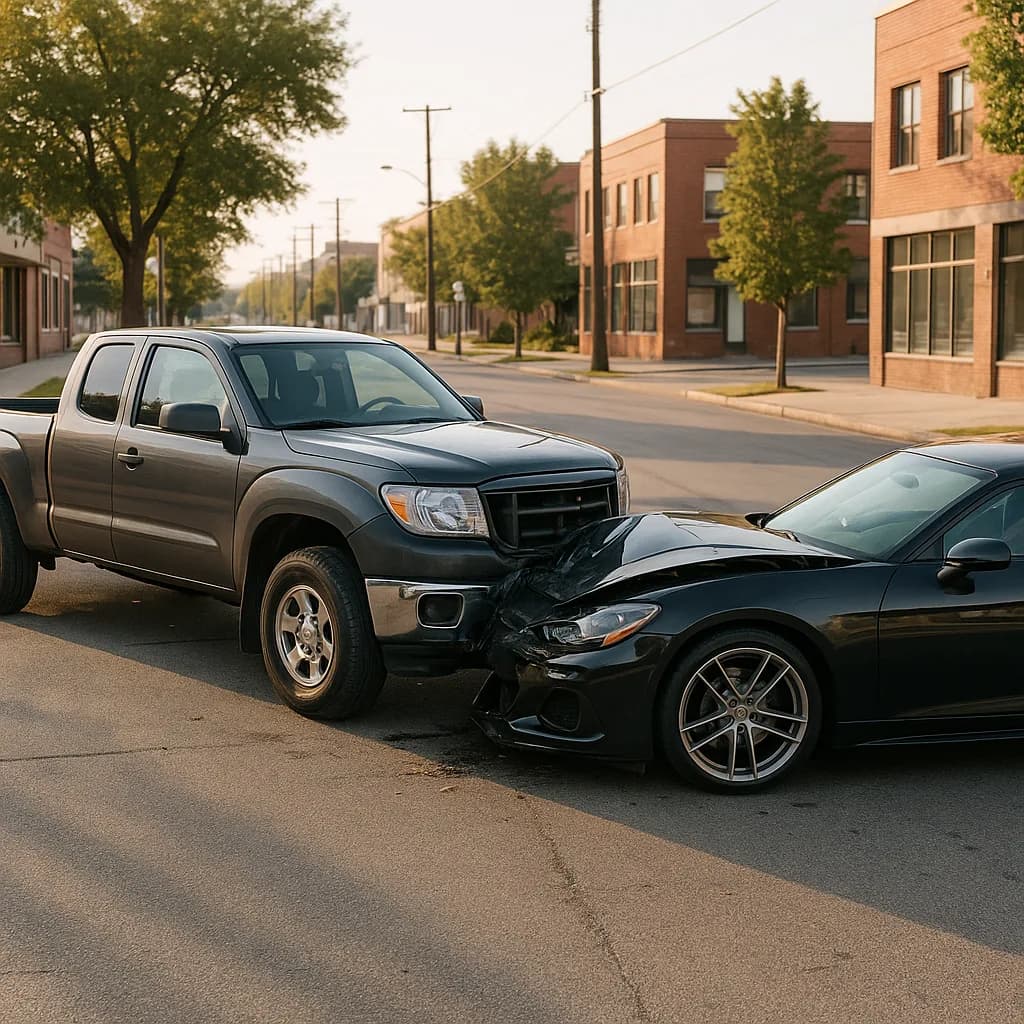
Carrier roadside plans cap towing distance at 15 to 25 miles per incident, and some limit you to three or four service calls per vehicle per year. If you break down 60 miles from home, the carrier covers the first 25 miles and you pay out of pocket for the remaining 35. Rural Nebraska drivers hit these limits faster than urban households because tow distances are longer and service density is lower.
Standalone memberships typically cover longer tows—AAA Plus covers 100 miles, AAA Premier covers 200—and place no annual service-call cap. The membership follows the driver, so if you're stranded in a borrowed car or a rental, you're still covered. Carrier roadside plans cover only the vehicles listed on your policy, and some exclude rentals and borrowed vehicles entirely.
Check whether your carrier's roadside plan covers all household drivers or only the named insured. Some carriers extend coverage to any licensed driver operating your vehicle with permission; others restrict service to the policyholder and listed household members. If your college-age child drives one of the three cars and breaks down, you want confirmation that the roadside plan will dispatch a tow without requiring you to be present.
State Farm Nebraska NAIC Code
25,178 / group 176
State Farm writes multi-car policies in all 50 states including Nebraska and holds an AM Best A++ rating. The carrier offers per-vehicle roadside assistance and allows you to add it selectively to individual cars on your policy.
State Farm Terms of Use, AM Best Nov 14 2025 affirmation
Bundling Roadside with Home or Renters
Some Nebraska carriers discount roadside assistance when you bundle auto and home or renters insurance, but the discount applies to the per-vehicle charge—not the total household cost. That's meaningful but rarely enough to offset a higher home premium if you're switching carriers solely for the roadside discount.
Run the total-premium comparison: your current auto premium plus current home premium, versus the bundled auto-plus-home premium with roadside included. Carriers that advertise aggressive bundle discounts sometimes raise base rates to compensate, and you end up paying more overall even with the roadside add-on nominally discounted.
Compare Carrier and Standalone Options
Request quotes from State Farm, Geico, Progressive, Allstate, and Farmers with roadside assistance added to all three vehicles, then compare the annual cost against a AAA Plus or AAA Premier membership.
If multiple household members drive the three vehicles independently—one car per driver—carrier roadside may be the better fit because each vehicle is covered regardless of who's behind the wheel. Standalone memberships cover the member, not the car, so a household with three drivers would need three separate memberships to match the carrier's per-vehicle coverage.
Check your current policy for existing roadside coverage before adding it. Some carriers include limited roadside—usually one tow per year up to 15 miles—at no extra charge on full-coverage policies. If you already have that baseline and you're adding the paid add-on for higher limits, confirm what the paid tier actually adds.