
Comprehensive Coverage for Multiple Vehicles — Nebraska
Free to compare
The Multi-Car Comprehensive Question
You own two or three vehicles in Nebraska. One is a newer SUV you financed last year. Another is a 12-year-old sedan the household uses for errands. You're paying for comprehensive coverage on both, and you're wondering whether you actually need it on the older car — or whether dropping it will cost you the multi-car discount you're already getting.
The structural reality: comprehensive coverage is priced and applied per vehicle, not at the policy level. Your multi-car discount applies because you have multiple vehicles on one policy, regardless of which coverages you select for each car. Dropping comprehensive from one vehicle does not touch the discount. What it does do is leave that specific car unprotected from theft, hail, fire, vandalism, and animal strikes — the non-collision losses comprehensive exists to cover.
“Comprehensive is priced per vehicle, not per policy — dropping it from one car keeps your multi-car discount intact.”

Compare Nebraska Car Insurance Quotes Today
Get My Nebraska Car Insurance Quote251.8 per 100k
Nebraska Vehicle Theft Rate
Nebraska recorded 251.8 motor vehicle thefts per 100,000 population in 2024. Comprehensive coverage pays to replace a stolen vehicle; liability and collision do not.
Nebraska vehicle theft data, 2024
How Comprehensive Works on a Multi-Car Policy
Comprehensive coverage pays for damage to your vehicle caused by something other than a collision: theft, hail, fire, flood, vandalism, falling objects, and animal strikes. It is an optional coverage in Nebraska — the state does not require it. Lienholders almost always do.
On a multi-car policy, comprehensive is selected and priced individually for each vehicle. You can carry it on your financed SUV and drop it from your paid-off sedan. The two decisions are independent. The multi-car discount applies to the policy because you have multiple vehicles insured under one policy number, not because every vehicle carries the same coverages.
The confusion arises because some households assume that changing coverage on one vehicle will re-rate the entire policy or eliminate the multi-car discount. It does re-rate the policy — adding or removing any coverage triggers a recalculation — but the multi-car discount remains as long as you still have two or more vehicles on the same policy. The discount is a function of vehicle count, not coverage uniformity.
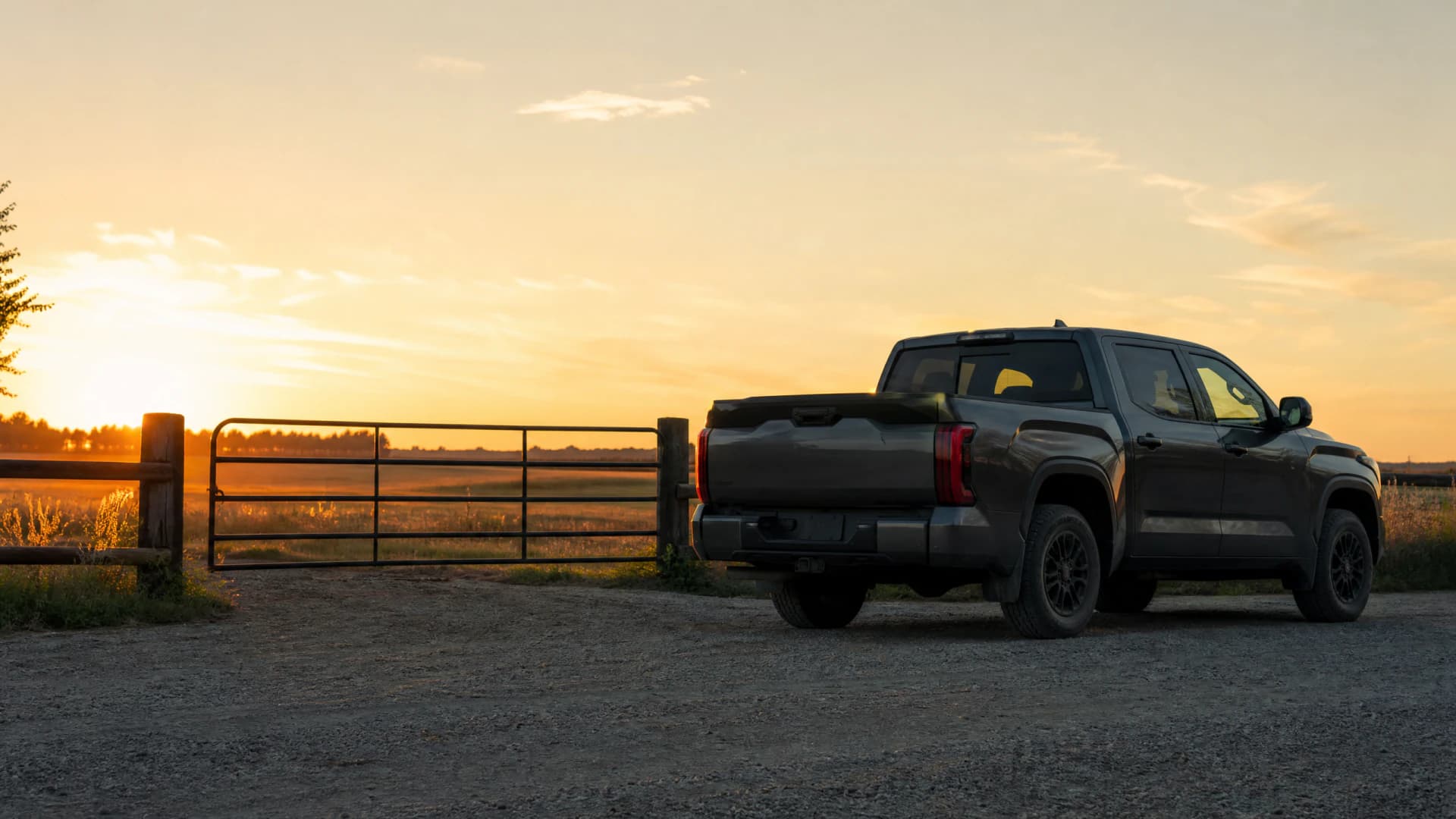
Dropping comprehensive from one vehicle keeps the multi-car discount but leaves that car unprotected from theft, weather damage, and vandalism — losses liability and collision will not cover.
Related Articles





What Happens When You Drop Comprehensive from One Car
When you drop comprehensive from one vehicle on a multi-car policy, the carrier removes that coverage from that specific vehicle and re-rates the policy. The multi-car discount remains. The vehicle without comprehensive is still covered for liability — bodily injury and property damage you cause to others, as required by Nebraska's $25,000 per person, $50,000 per accident, and $25,000 property damage minimums. If you carry collision on that vehicle, collision remains in place and will pay for damage from a crash with another vehicle or object.
What disappears: protection from theft, hail, fire, flood, vandalism, glass breakage not caused by collision, and animal strikes. If your older sedan is stolen from your driveway, you receive nothing. If a hailstorm totals it, you receive nothing. If a deer runs into the side of the car while it is parked, you receive nothing. Liability covers the other party. Collision covers crashes. Comprehensive covers everything else that can damage or destroy the vehicle.
The failure mode households miss: they drop comprehensive to lower the premium, then file a theft or hail claim months later and discover the vehicle was not covered. Comprehensive is not retroactive. Once you drop it, any loss that occurs after the coverage end date is your responsibility.
$975.01
Nebraska Average Annual Auto Expenditure
Nebraska drivers spent an average of $975.01 per insured vehicle annually in 2023, one of the lowest rates in the region. Comprehensive typically represents 10–15% of that total on a full-coverage policy.
NAIC Auto Insurance Database Report, 2023

Comprehensive and the Multi-Car Discount Across Carriers
The multi-car discount in Nebraska is offered by nearly every carrier writing personal auto policies in the state. The discount applies when you insure two or more vehicles on the same policy, and it reduces the per-vehicle premium by a percentage that varies by carrier. The discount does not depend on every vehicle carrying the same coverages. You can carry full coverage — liability, collision, and comprehensive — on one vehicle and liability-only on another, and the multi-car discount still applies to both.
Carriers that write multi-car policies in Nebraska and offer online quotes include State Farm, GEICO, Progressive, Allstate, Farmers, Nationwide, and American Family. Each prices comprehensive independently per vehicle based on the vehicle's year, make, model, garaging ZIP code, and your deductible selection. Dropping comprehensive from one vehicle lowers that vehicle's premium but does not eliminate the multi-car discount applied across the policy.
Making the Comprehensive Decision for Your Household
Start with the vehicles that have active loans or leases. Comprehensive stays on those until the lien is satisfied. Move to your newer or higher-value vehicles. If losing one of them to theft or a hail total would require you to take on debt or go without a replacement, comprehensive makes sense. Consider your garaging location and driving patterns. Vehicles parked on the street in higher-theft urban areas face more exposure than vehicles garaged in rural counties. Vehicles driven frequently through wildlife corridors face more animal-strike risk.
For older, paid-off vehicles where replacement value is low, run the math. That may or may not make sense depending on your household's ability to absorb the loss. If you drop comprehensive, confirm that collision remains in place if you want crash protection, and confirm that liability meets or exceeds Nebraska's $25,000/$50,000/$25,000 minimums. Comprehensive is independent of those coverages, but all three serve different loss scenarios.
When you make the change, document the effective date. Comprehensive coverage ends on the date you request, not retroactively. Any theft, hail, or vandalism loss that occurs after that date is not covered. If you later decide to add comprehensive back — because you moved to a higher-theft area, or because weather patterns changed, or because the vehicle's use changed — contact your carrier. Most will add it mid-term, effective immediately, with a pro-rated premium adjustment.
When Comprehensive Makes Sense Per Vehicle
Carry comprehensive on any vehicle with an active loan or lease. The lienholder will require it as a condition of financing, and dropping it without their approval can trigger a force-placed insurance policy at a much higher rate. Carry it on newer vehicles where replacement value is high enough that a total theft or hail loss would be a financial hardship. Carry it on vehicles garaged in areas with high theft rates, frequent hail, or significant wildlife exposure — risks that vary widely across Nebraska's urban and rural counties.
Drop comprehensive on older vehicles where the actual cash value has fallen below the point where paying the premium makes economic sense. A common threshold: if the vehicle is worth less than ten times the annual comprehensive premium, the coverage may not be worth carrying. Drop it on rarely-driven vehicles stored in a secure garage, where the exposure to theft and weather is minimal. Drop it when you are prepared to absorb the loss of the vehicle without filing a claim.
Get Your Free Quote
Get My Nebraska Car Insurance QuoteFrequently Asked Questions
Does dropping comprehensive from one car eliminate my multi-car discount in Nebraska?
No. The multi-car discount applies because you have two or more vehicles on one policy, regardless of which coverages you select for each vehicle. Dropping comprehensive from one car lowers that vehicle's premium but does not affect the multi-car discount.
What does comprehensive coverage pay for on a multi-car policy?
Comprehensive pays for damage to your vehicle caused by theft, hail, fire, flood, vandalism, falling objects, glass breakage, and animal strikes. It does not cover collision damage or liability for injuries you cause to others. Each vehicle on your policy can carry comprehensive independently.
Can I carry comprehensive on one vehicle and not another on the same Nebraska policy?
Yes. Comprehensive is selected and priced per vehicle. You can carry it on your financed SUV and drop it from your paid-off sedan. The two decisions are independent, and the multi-car discount remains as long as both vehicles are on the same policy.
When should I drop comprehensive coverage from an older car in Nebraska?
Drop comprehensive when the vehicle's actual cash value is low enough that paying the annual premium no longer makes economic sense, typically when the vehicle is worth less than ten times the annual comprehensive premium. Confirm you are prepared to absorb the total loss of the vehicle without filing a claim.
Will my lender allow me to drop comprehensive from a financed vehicle?
No. Lienholders require comprehensive and collision coverage as a condition of financing. Dropping comprehensive without their approval can trigger a force-placed insurance policy at a much higher rate. Comprehensive can only be dropped once the loan or lease is satisfied.
What happens if my car is stolen after I drop comprehensive in Nebraska?
You receive nothing. Comprehensive is the only coverage that pays for theft. Liability covers damage you cause to others, and collision covers crashes, but neither covers theft. Comprehensive is not retroactive — once you drop it, any theft that occurs after the coverage end date is your responsibility.
Does Nebraska require comprehensive coverage?
No. Nebraska requires liability coverage only: $25,000 per person, $50,000 per accident for bodily injury, and $25,000 for property damage. Comprehensive is optional unless required by a lienholder as a condition of financing.