
Uninsured Motorist Coverage — Nebraska
Free to compare
Nebraska Requires Uninsured Motorist Coverage
Nebraska law mandates uninsured motorist (UM) coverage on every auto insurance policy unless you reject it in writing. If you're insuring two, three, or four vehicles on one policy, that requirement applies to the entire policy, not per vehicle. You cannot carry UM on one car and skip it on another.
The mandate exists because 9.5% of Nebraska motorists drive uninsured. When an uninsured driver hits you, UM coverage pays your medical bills, lost wages, and vehicle damage up to your policy limits. Without it, you're left filing a lawsuit against someone who likely has no assets to collect.
“Stacked UM coverage multiplies your limits by the number of vehicles; unstacked coverage caps your protection at the policy face amount.”
Compare Nebraska Car Insurance Quotes Today
Get My Nebraska Car Insurance Quote9.5%
Nebraska Uninsured Motorist Rate
Nearly one in ten Nebraska drivers carries no insurance. That rate is lower than the national average but still high enough that most households will encounter an uninsured driver over the life of their policy.
Insurance Information Institute, 2023
How Uninsured Motorist Limits Work Across Multiple Vehicles
When you insure multiple vehicles on one policy, your UM limits apply per accident, not per vehicle.
Nebraska allows you to choose between stacked and unstacked UM coverage. Stacked coverage multiplies your per-person and per-accident limits by the number of vehicles on the policy. Unstacked coverage caps your limits at the amounts shown on the declarations page, no matter how many cars you insure.
The difference matters when an uninsured driver causes serious injuries to multiple household members.
Stacked UM coverage costs more per vehicle but multiplies your protection across the household. Unstacked coverage is cheaper but caps your limits at the policy face amount.
Related Articles



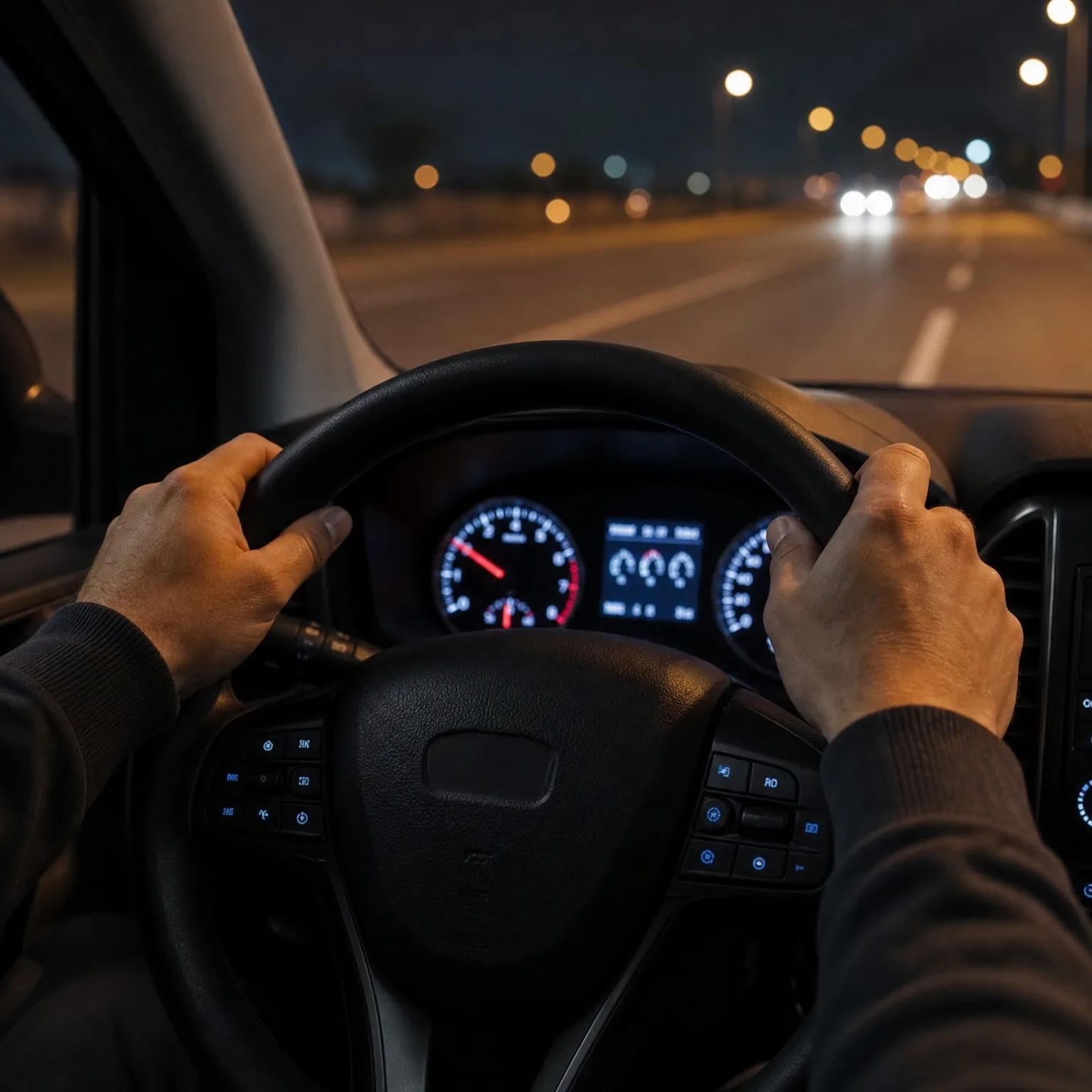

What Happens When You Reject Uninsured Motorist Coverage
Nebraska law allows you to reject UM coverage, but the rejection must be in writing and signed. Most carriers require a separate rejection form at policy inception and renewal. If you do not sign the rejection, the carrier must include UM coverage at limits equal to your liability limits.
Rejecting UM coverage lowers your premium but leaves you unprotected when an uninsured driver causes an accident. You'll pay out of pocket for medical bills, lost wages, and vehicle repairs, then pursue the at-fault driver in court. Most uninsured drivers have no recoverable assets, so a judgment is often worthless.
Households with multiple vehicles face higher exposure to uninsured drivers simply because more cars mean more miles driven and more accident opportunities.
$25,000 / $50,000
Nebraska Minimum Liability Limits
Nebraska requires $25,000 per person and $50,000 per accident in bodily injury liability, plus $25,000 in property damage liability. Your UM coverage must match your liability limits unless you choose higher UM limits or reject UM entirely.
Nebraska Department of Motor Vehicles
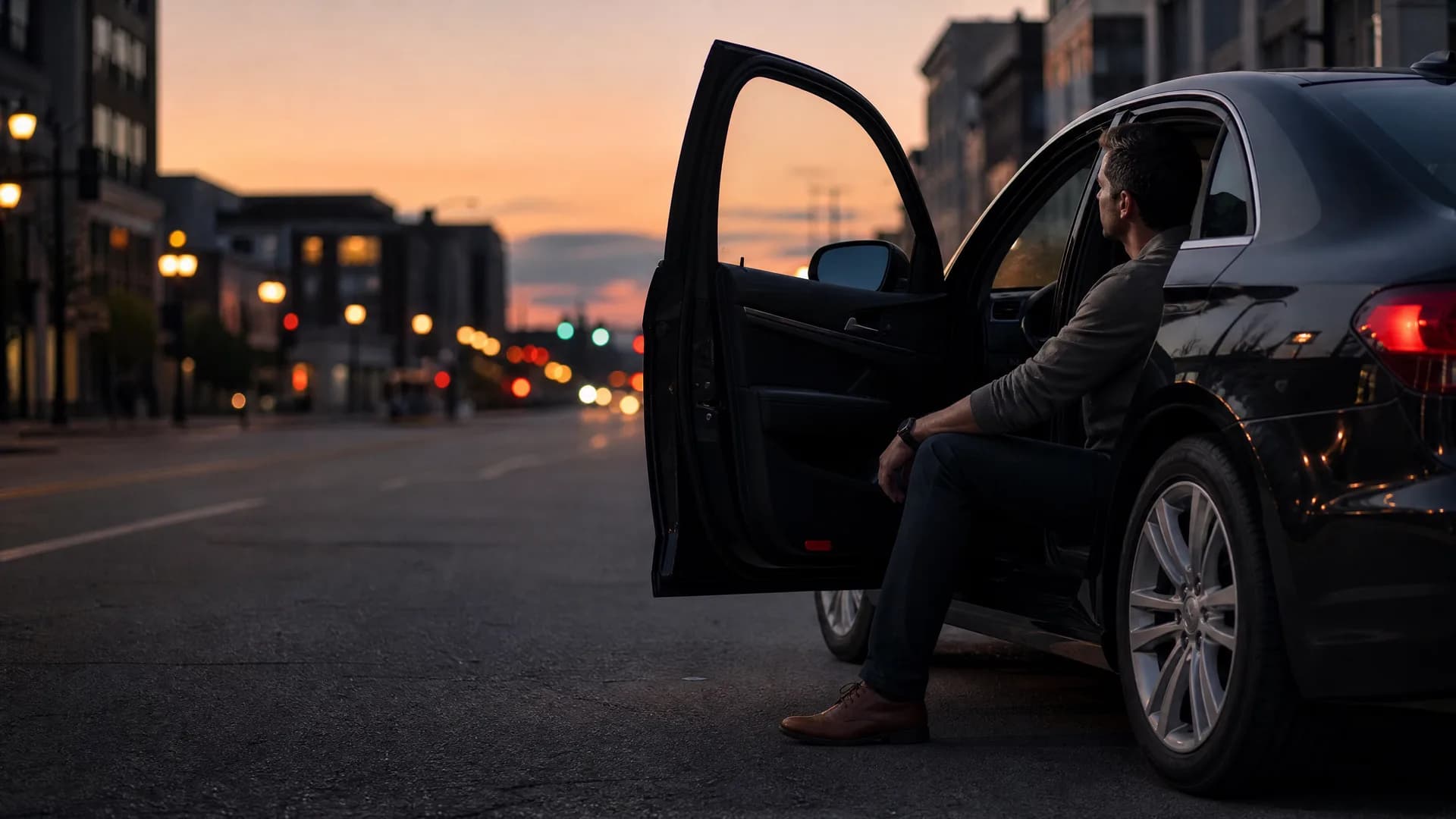
How Carriers Price Uninsured Motorist Coverage for Multiple Vehicles
UM coverage is priced per vehicle on your policy. If you insure three cars, you pay for UM coverage three times. Stacked coverage costs more per vehicle because the insurer's total exposure multiplies with each car. Unstacked coverage is cheaper because the insurer's maximum payout stays fixed.
Some carriers discount UM coverage when you insure multiple vehicles on one policy, but the discount is smaller than the multi-car discount applied to liability and collision coverage. Expect to pay 10% to 20% more per vehicle for stacked UM compared to unstacked UM, depending on your liability limits and the number of vehicles.
Compare Carriers That Write Multi-Vehicle Policies in Nebraska
Not every carrier offers stacked UM coverage in Nebraska, and those that do price it differently. Compare Nebraska carriers that write multi-vehicle policies and request quotes with both stacked and unstacked UM options. The premium difference will show you exactly what the added protection costs for your household.
Stacked Versus Unstacked Coverage
Stacked coverage multiplies your UM limits by the number of insured vehicles. Unstacked coverage gives you $25,000 per person regardless of how many cars you own. Stacked coverage costs more because the insurer's exposure increases with every vehicle you add.
Unstacked coverage is appropriate when your household carries high liability limits already, when you have health insurance that covers accident injuries, or when premium savings matter more than layered protection. Stacked coverage makes sense when your household has multiple drivers, when you frequently carry passengers, or when your liability limits are close to the state minimum. The stacking decision applies to the entire policy; you cannot stack UM on one vehicle and leave it unstacked on another.
Get Your Free Quote
Get My Nebraska Car Insurance QuoteFrequently Asked Questions
Is uninsured motorist coverage required in Nebraska?
Yes. Nebraska law requires uninsured motorist coverage on every auto policy unless you reject it in writing. The rejection must be signed at policy inception and renewal.
What is the difference between stacked and unstacked uninsured motorist coverage?
Stacked coverage multiplies your UM limits by the number of vehicles on your policy. Unstacked coverage caps your limits at the amounts shown on your declarations page, regardless of how many cars you insure.
Does uninsured motorist coverage cost more for multiple vehicles?
Yes. UM coverage is priced per vehicle, so insuring three cars costs three times the per-vehicle UM premium. Stacked coverage costs 10% to 20% more per vehicle than unstacked coverage.
Can I carry uninsured motorist coverage on one vehicle and skip it on another?
No. UM coverage applies to the entire policy, not per vehicle. If you carry UM coverage, it covers every vehicle on the policy. If you reject it, no vehicle is covered.
What happens if I reject uninsured motorist coverage in Nebraska?
You pay out of pocket for medical bills, lost wages, and vehicle damage when an uninsured driver causes an accident. You can sue the at-fault driver, but most uninsured drivers have no recoverable assets.
How do I know if my uninsured motorist coverage is stacked or unstacked?
Check your declarations page. Stacked coverage will show higher per-person and per-accident limits than your liability limits. Unstacked coverage will match your liability limits or show a single set of limits for the policy.