
Full Coverage for Financed Cars — Nebraska
Free to compare
The Lender Requirement Versus State Law
You're financing a car in Nebraska and the lender told you full coverage is required. You're trying to figure out whether that's a state law or a lender rule, and what happens if you already have two other cars on your policy with liability only. The answer: Nebraska law does not require full coverage on any vehicle. The state mandates only liability minimums of $25,000 per person for bodily injury, $50,000 per accident, and $25,000 for property damage. Full coverage is a lender requirement written into your loan or lease contract, not a state insurance mandate.
The confusion comes from the word "required." The lender requires collision and comprehensive coverage to protect their financial interest in the vehicle until you pay off the loan. If you total the car, collision coverage pays the lender what you owe. Without it, the lender has no guarantee they'll recover the loan balance. That contractual obligation applies only to the financed vehicle, not to every car on your policy. Your other two cars can carry liability only if you own them outright.
“Nebraska law requires only liability minimums; full coverage is a lender requirement written into your loan contract, not a state mandate.”

Compare Nebraska Car Insurance Quotes Today
Get My Nebraska Car Insurance Quote$25,000/$50,000/$25,000
Nebraska Liability Minimums
Nebraska law requires $25,000 per person for bodily injury, $50,000 per accident, and $25,000 for property damage. These minimums apply to every registered vehicle, financed or not. Full coverage adds collision and comprehensive on top of liability.
Nebraska Department of Motor Vehicles
What Full Coverage Actually Covers
Full coverage is shorthand for a policy that includes collision and comprehensive in addition to liability. Collision pays for damage to your car in an accident, regardless of fault. Comprehensive pays for damage from non-collision events: theft, hail, fire, vandalism, hitting a deer. The lender cares about both because either event can destroy the collateral securing your loan.
Your loan contract specifies the required deductible, typically $500 or $1,000. A lower deductible costs more per month but reduces what you pay out of pocket at claim time. Gap insurance covers the difference between what you owe and what the car is worth if it's totaled. Nebraska does not mandate gap coverage, but lenders often do.
Liability coverage protects other people and their property when you cause an accident. It does not repair your own car. That's why the lender requires collision and comprehensive: liability alone leaves them exposed if you wreck the financed vehicle. The three coverages together form what the industry calls full coverage, though no such product exists by that name on your policy.
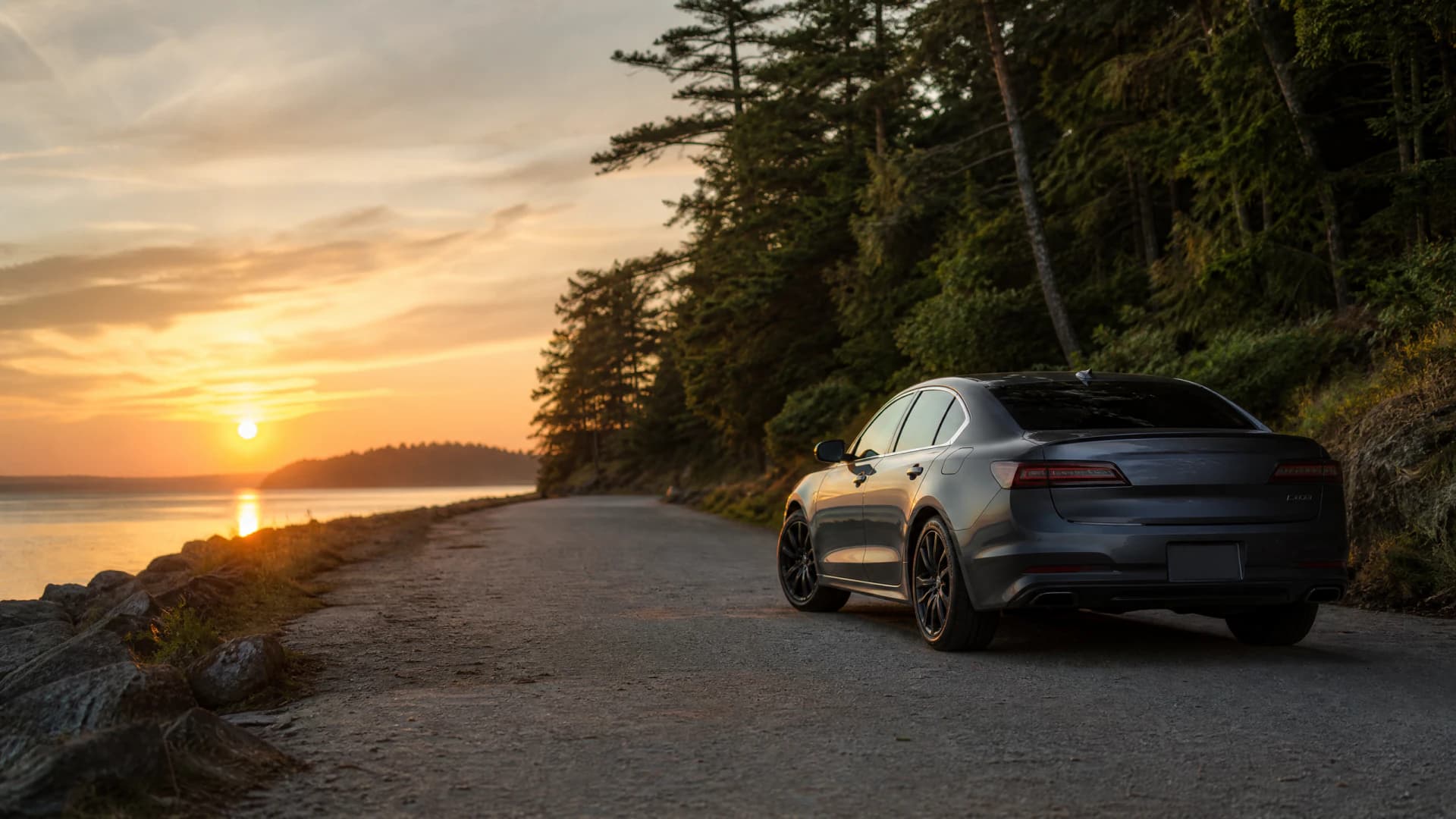
The lender's full-coverage requirement applies only to the financed vehicle. Other cars on your policy can carry liability only if you own them outright.
Related Articles




What Happens If You Drop Full Coverage Early
Your loan contract requires full coverage until the loan is paid off. If you drop collision or comprehensive before that, the lender receives a notice from your carrier within 10 days. The lender then purchases force-placed insurance, also called collateral protection insurance, and adds the cost to your loan balance. Force-placed coverage is expensive because it protects only the lender's interest, not yours, and you pay a premium that reflects the lender's risk, not your driving record.
Force-placed insurance does not cover liability, medical payments, or your own injuries. It covers only physical damage to the financed vehicle, and only up to the loan balance. If you're in an at-fault accident, you're still liable for the other driver's damages under Nebraska's tort system, but the force-placed policy won't help. You'll also pay a higher monthly loan payment because the force-placed premium is added to your balance and accrues interest.
The cleaner path: keep full coverage on the financed car until you pay off the loan, then drop collision and comprehensive if the car's value no longer justifies the premium. A conventional threshold is to drop physical-damage coverage when the car's value falls below ten times the annual collision and comprehensive premium.
25 carriers
Nebraska Multi-Car Carriers
Twenty-five carriers write auto insurance in Nebraska and allow multiple vehicles on one policy with different coverage levels per vehicle. The financed car carries full coverage; paid-off cars carry liability only. The multi-car discount applies to the entire policy.
Structuring Coverage Across Multiple Vehicles
When you finance one car and own two others outright, the policy structure depends on whether all three vehicles garage at the same address and whether the same household members drive them. If all three cars sit at your address and the same drivers use them, one policy with different coverage levels per vehicle is the simplest and usually the cheapest structure. The multi-car discount reduces the per-vehicle cost, and managing one renewal date is easier than tracking separate policies.
If one of the paid-off cars garages at a different address or is driven primarily by someone outside your household, that car may need its own policy. The multi-car discount typically requires all vehicles to garage at the same address and be driven by listed household members. A car garaged elsewhere or titled to someone not on your policy won't qualify for the same-policy discount and may cost less on a separate policy.
When to Compare Carriers
Adding a financed car with full coverage re-rates your entire policy. The premium increase reflects the higher coverage on the new vehicle, but it also reflects your carrier's appetite for multi-car households and their collision and comprehensive pricing. Some carriers price collision aggressively for households with clean records; others price it higher across the board. The rate difference can be substantial when you're adding comprehensive and collision to a policy that previously carried only liability.
Request quotes from at least three carriers that write multi-car policies in Nebraska. Provide the same coverage limits and deductibles to each so the quotes are comparable. Ask each carrier whether the multi-car discount applies when one vehicle carries full coverage and the others carry liability only. Most carriers allow it, but a few require all vehicles to carry the same coverage level to qualify for the discount. Confirm the lienholder will be listed correctly on the declarations page before you bind coverage. The lender needs that documentation to release the loan funds or approve the purchase.
Adding the Financed Car to Your Existing Policy
Most carriers let you carry different coverage levels on different vehicles under the same policy. Your two paid-off cars continue with liability only. The financed car gets liability plus collision and comprehensive. The policy re-rates when you add the third vehicle, and the premium reflects the higher coverage on the financed car. The multi-car discount applies to all three vehicles as long as they sit on the same policy and garage at the same address.
When you add the financed car, the carrier asks for the lienholder's name and address. The lienholder appears on your declarations page as the loss payee. If you total the car, the carrier pays the lienholder first, up to the loan balance, then pays you any remaining claim amount. The lender receives a copy of your policy and monitors it. If you drop collision or comprehensive, the lender receives a cancellation notice and may force-place coverage at a higher cost, billed directly to your loan.
Get Your Free Quote
Get My Nebraska Car Insurance QuoteFrequently Asked Questions
Does Nebraska require full coverage on financed cars?
No. Nebraska requires only liability minimums of $25,000/$50,000/$25,000 on every registered vehicle. Full coverage is a lender requirement in your loan contract, not a state law. The lender mandates collision and comprehensive to protect their financial interest until you pay off the loan.
Can I keep liability-only coverage on my other cars if I finance one?
Yes. The lender's full-coverage requirement applies only to the financed vehicle. Other cars on your policy can carry liability only if you own them outright. Most carriers let you carry different coverage levels on different vehicles under the same policy.
What happens if I drop full coverage before paying off the loan?
The lender receives a cancellation notice from your carrier and purchases force-placed insurance, adding the cost to your loan balance. Force-placed coverage is expensive, protects only the lender's interest, and does not cover liability or your own injuries. Keep full coverage until the loan is paid off.
Does the multi-car discount apply when one car has full coverage and the others have liability only?
Typically yes, as long as all vehicles sit on the same policy and garage at the same address. Most Nebraska carriers allow different coverage levels per vehicle and still apply the multi-car discount. A few require all vehicles to carry the same coverage level, so confirm with your carrier when you add the financed car.
What deductible should I choose for collision and comprehensive?
Your loan contract specifies the maximum deductible the lender allows, typically $500 or $1,000. A $500 deductible costs more per month but reduces your out-of-pocket cost at claim time. A $1,000 deductible lowers your premium but requires you to pay more if you file a claim. Choose based on what you can afford to pay after an accident.
Do I need gap insurance on a financed car in Nebraska?
Gap insurance covers the difference between what you owe and what the car is worth if it's totaled. Check your loan contract for the lender's gap requirement.